1 day ago
India Posts 7.8% Growth as CEA Flags External Risks
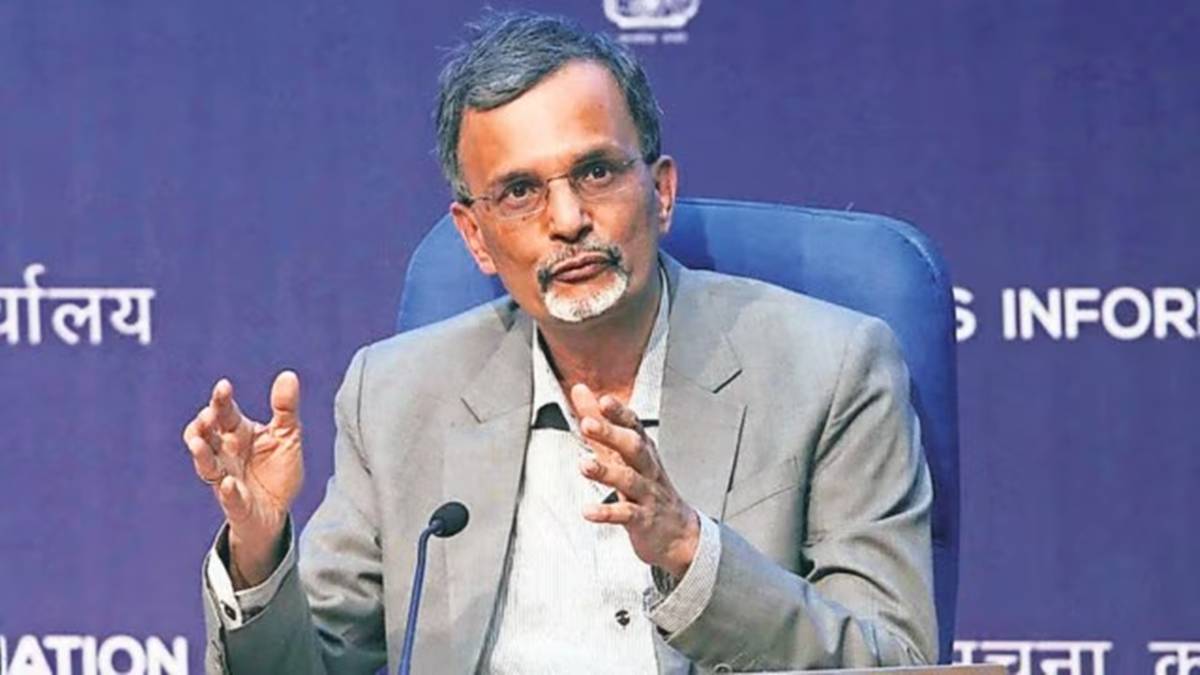
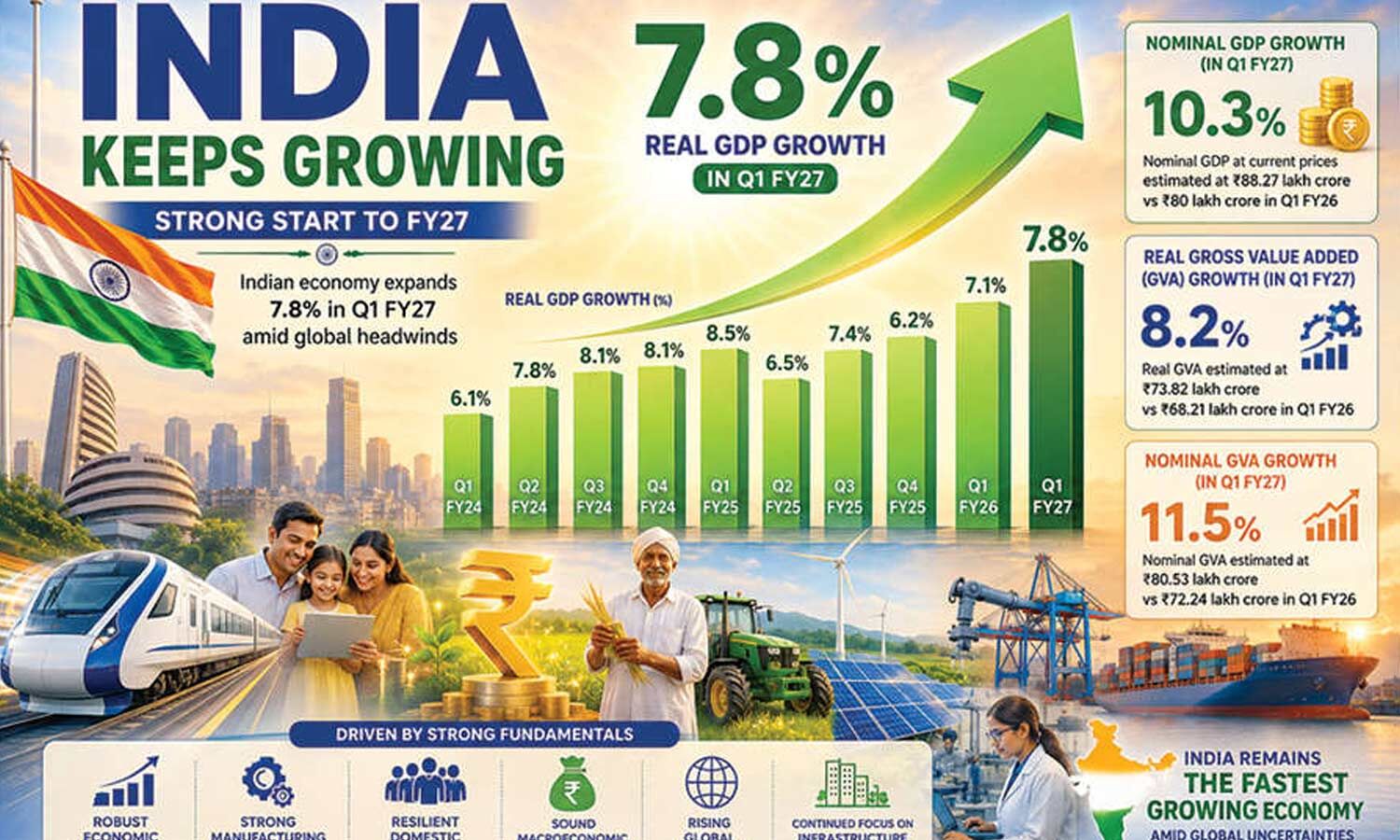
India’s economy grew 7.8% during the first quarter of the 2026-27 financial year.
The government’s chief economic adviser said this showed that the economy remained strong despite problems around the world.
Manufacturing, services and agriculture all helped growth.
People continued spending, and banks were providing more credit for possible investments.
India’s exports also grew, including goods other than oil, gold and jewellery.
Tensions in West Asia have not pushed oil prices up as much as first feared.
However, a longer conflict could make energy more expensive and weaken demand for Indian exports.
Better rainfall and planting conditions could help farming, while inflation remained within the central bank’s target range.

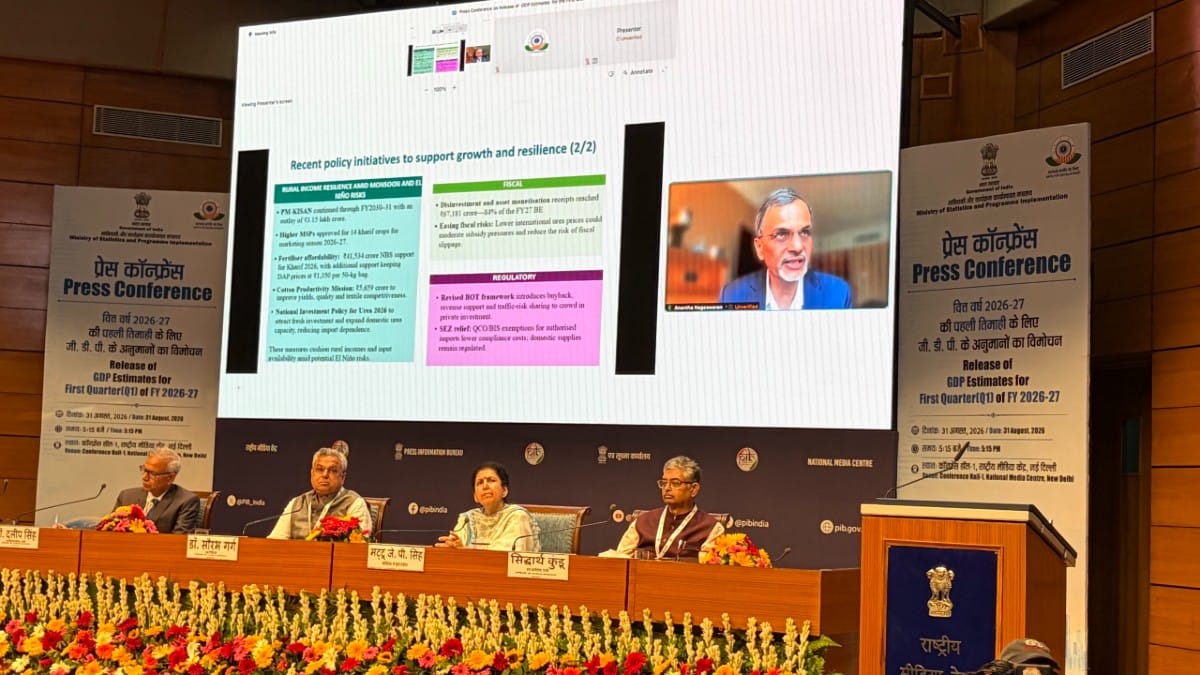
India recorded 7.8% real GDP growth in Q1 of FY2026-27.
Chief Economic Adviser V. Anantha Nageswaran said agriculture, manufacturing and services all supported growth.
Strong domestic consumption, bank credit growth and exports indicated resilient demand and improving investment activity.
West Asia tensions have had a limited effect so far, but energy-price increases and supply disruptions remain risks.
Improved monsoon conditions, controlled headline inflation and strong tax collections supported the economic outlook.
- Who
- India’s economy and Chief Economic Adviser V. Anantha Nageswaran.
- What
- India recorded 7.8% real GDP growth, with support from domestic demand, exports, manufacturing, services and agriculture.
- Where
- India, amid global economic uncertainty and tensions in West Asia.
- When
- The growth was recorded in the first quarter of FY2026-27; Nageswaran discussed it on Monday.
- Why
- Growth was supported by resilient consumption, improving investment activity, strong exports and broad-based sectoral performance.
Growth Resilience
External Risk Concerns
Economic momentum
Growth Resilience
Strong consumption, exports, manufacturing, services and bank credit suggest that India’s domestic momentum remains resilient.
External Risk Concerns
Analysts cited in the reports still expect FY27 growth of about 7.3%-7.5%, below the 7.8% quarterly rate.
West Asia tensions
Growth Resilience
The conflict’s economic impact has so far remained contained, and crude oil prices have risen less sharply than initially feared.
External Risk Concerns
Longer disruptions could raise energy prices, reduce global demand and weaken India’s export prospects.
Agricultural outlook
Growth Resilience
Improved rainfall conditions and sowing levels close to last year’s could support agricultural output.
External Risk Concerns
The eventual performance of the rabi crop remains important and still needs to be monitored.
Key facts
- GDP growth
- Real GDP grew 7.8% in Q1 of FY2026-27.
- Growth sectors
- Agriculture, manufacturing and services all contributed to growth.
- Domestic demand
- Private final consumption remained strong.
- Investment indicator
- Bank credit growth showed signs of strengthening investment activity.
- Exports
- Merchandise exports excluding oil, gold, gems and jewellery grew strongly, indicating greater diversification.
- Inflation
- Headline and consumer-price inflation remained within the central bank’s target range, although wholesale inflation was elevated.
- Agriculture
- Sowing was only marginally below last year’s level, while the monsoon outlook had improved.
Quotes

V Anantha Nageswaran
Chief Economic Adviser of India
“Globally, however, higher petroleum-product prices could pose a risk to global demand and, therefore, to the prospects for export growth in the coming year.”
 financialexpress.com
“The fact that manufacturing exports are rising indicates the beneficial effects of FTAs and the diversification efforts of the government”
 livemint.com
Sources

Related news
India’s GDP Grows 7.8% Despite West Asia Crisis
India’s 7.8% Q1 Growth Outpaces Forecast Despite Global Risks
India’s GDP Growth Beats Expectations at 7.8% in First Quarter
India's Q1 GDP Growth Hits 7.8% Despite Global Turmoil
India’s Q1 FY27 Growth Beats Forecast Despite Iran War Fears

India’s June Quarter Growth Defies War and Energy Pressures

Rijiju Rebukes Congress as GDP Numbers Face Political Challenge
Gold Futures Fall Seventh Day Amid US-Iran Tensions
Sensex, Nifty Plunge as West Asia Tensions Lift Oil Prices

Nifty Defends 24,000 as Brent Crude Surges Past $95

West Asia Conflict Pushes India’s Q1 Current Account Deficit Higher