1 hr ago
Scientists Warn Exceptional El Niño Could Intensify Global Heat
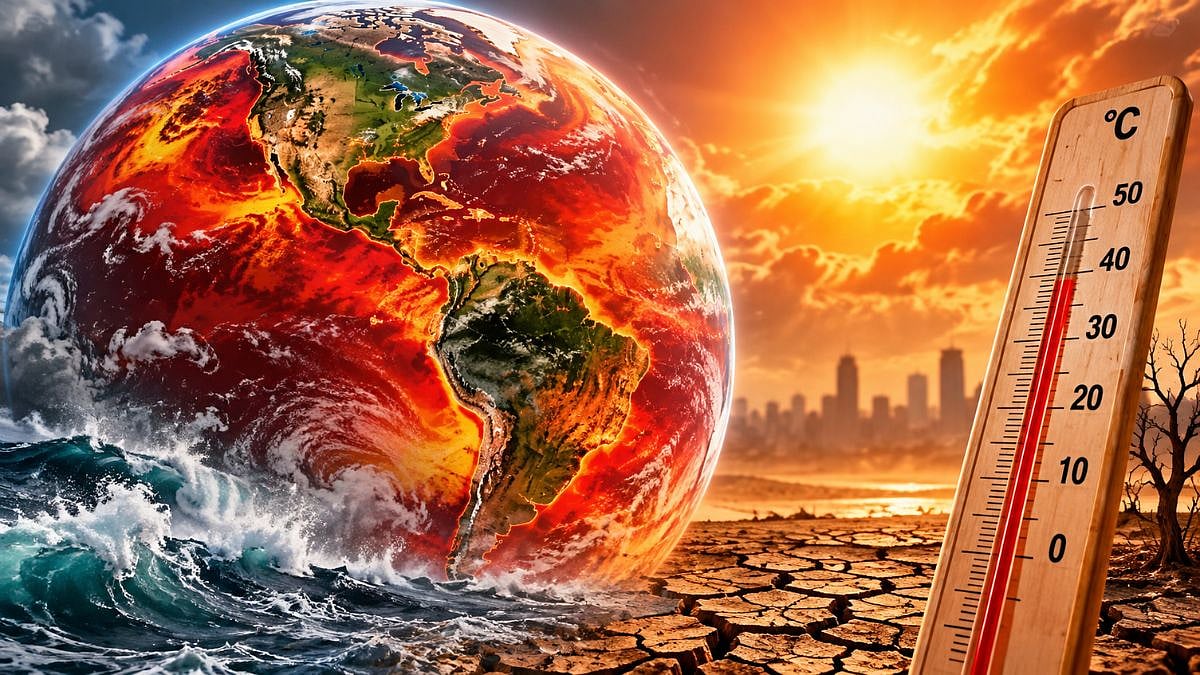
El Niño is a natural climate pattern that warms parts of the Pacific Ocean.
It can affect temperatures and rainfall in many places.
Scientists say this El Niño may become exceptionally strong.
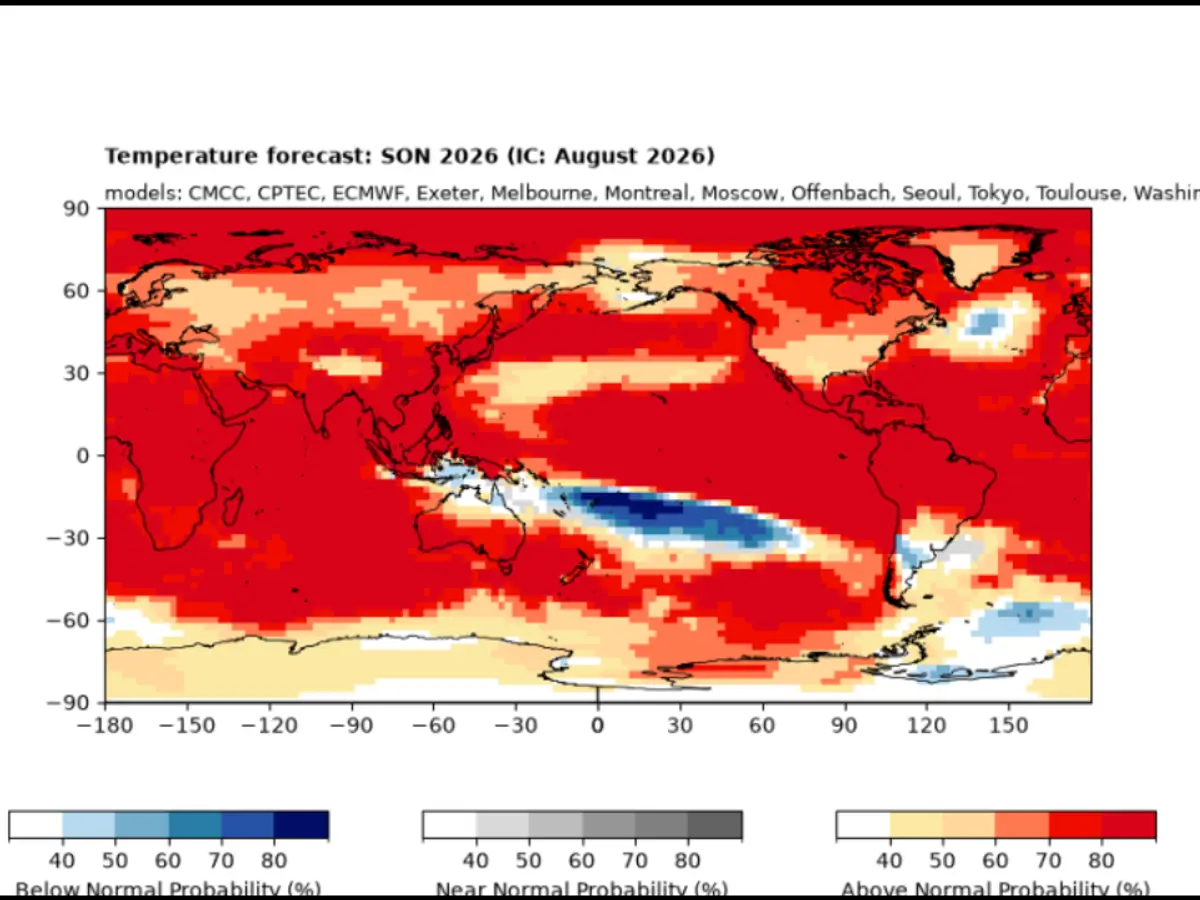
The World Meteorological Organization predicts Pacific waters could be much warmer than usual late in 2026.
One scientist reported that a key Pacific region had already reached a very high temperature reading.
Strong El Niño conditions can mean drought in some places and heavy rain in others.
Scientists also warn that it could add to warming caused by people.
A University of Chicago research group projected that related conditions could lead to many excess deaths, though this is a projection, not a confirmed outcome.

The World Meteorological Organization says El Niño could become one of the strongest recorded since at least 1950.
The agency forecasts central and eastern tropical Pacific sea-surface temperatures could reach 3.7°C above normal from October to December 2026.
Climate scientist Zeke Hausfather said the Niño 3.4 region’s temperature anomaly had reached 3.4°C above normal, which he described as unprecedented.
Experts warn the event could raise temperatures and disrupt rainfall, bringing drought to some regions and unusually heavy rain to others.
A University of Chicago Climate Impact Lab study projected up to 451,000 excess deaths worldwide from June 2026 to February 2027.
- Who
- The World Meteorological Organization and climate experts, including Zeke Hausfather, have raised concerns about El Niño.
- What
- An exceptionally strong El Niño is forecast to bring higher temperatures and disrupted rainfall patterns.
- Where
- The central and eastern tropical Pacific are at the center of the forecast, with possible effects across the world.
- When
- The forecast covers October to December 2026; the event is expected to persist through February 2027.
- Why
- El Niño warms ocean waters and can influence global temperatures and rainfall; scientists warn it could amplify human-induced climate change.
Key facts
- Pacific temperature forecast
- Sea-surface temperatures in the central and eastern tropical Pacific could reach 3.7°C above normal in October–December 2026.
- Niño 3.4 reading
- Zeke Hausfather reported an anomaly of 3.4°C above normal in the Niño 3.4 region.
- WMO assessment
- The WMO said this could be among the strongest El Niño events recorded since at least 1950.
- Expected duration
- The event is expected to persist through February 2027, according to the article’s account of the WMO assessment.
- Potential weather effects
- El Niño can raise global temperatures and shift rainfall, potentially causing drought in some areas and heavy rain in others.
- Excess-death projection
- A University of Chicago Climate Impact Lab study projected as many as 451,000 excess deaths worldwide between June 2026 and February 2027.
Quotes
Zeke Hausfather
Climate scientist commenting on Pacific Ocean temperatures.
“This year’s El Nino continues its climb into uncharted waters; Nino3.4 region anomalies are now at a 3.4 degrees Celsius above normal (how fitting!), higher than any prior El Nino event on record”
 freepressjournal.in
“El Nino continues at ‘maximum power’ into the winter with planetary heating dialled up everywhere EXCEPT the United States”
freepressjournal.in
Sources
Related news
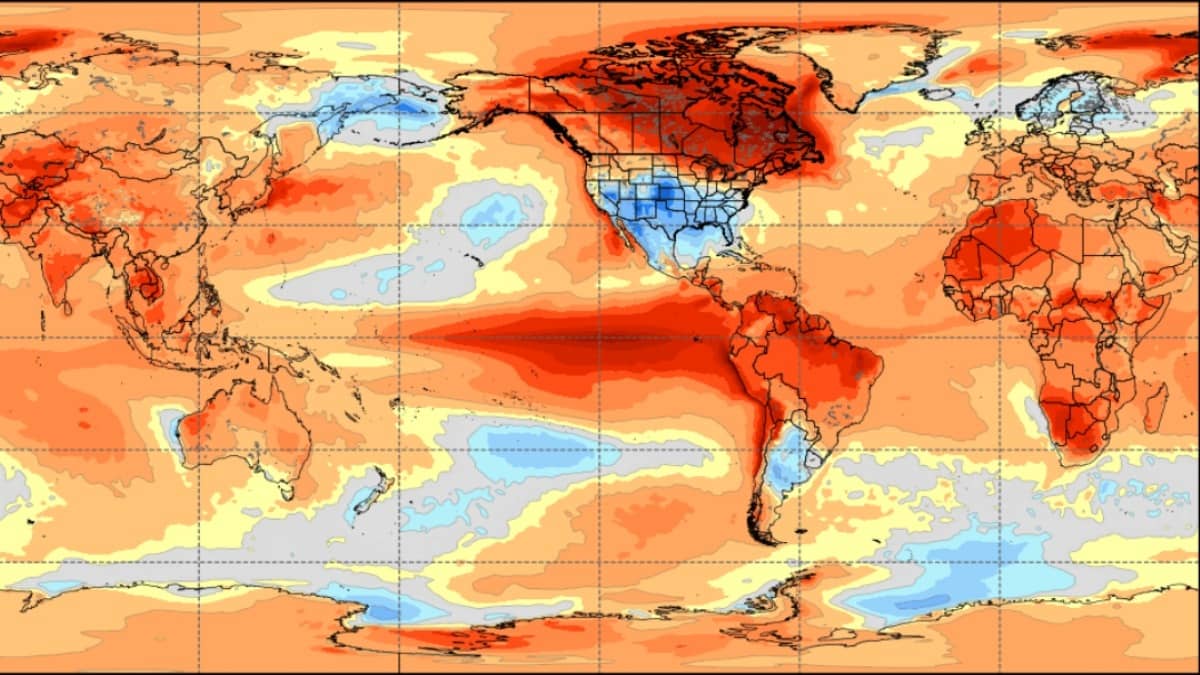
UN Warns El Niño Will Intensify Before December Peak
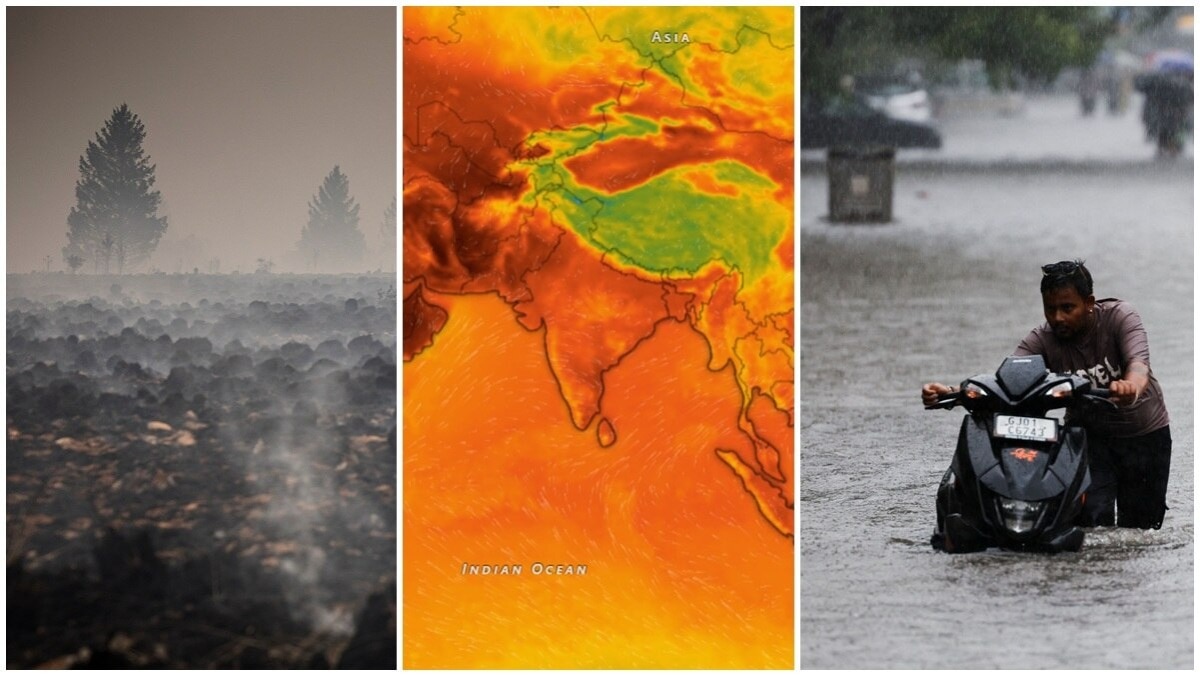
What Makes an El Niño Super and Especially Severe
Super El Niño Threatens Deaths, Crop Losses and Extreme Weather

US Climate Centre Sees 75% Chance of Historic El Niño
El Niño 2026 Heads Toward a Millennium-Scale Record
Powerful El Niño May Become Strongest on Record

RBI’s Rate Hike Pivot Reflects Rising Inflation Risks
India Urged to Prepare for a Potential Super El Niño
UN Declaration Highlights Growing Global Threat of Sea-Level Rise