1 hr ago
India Urged to Prepare for a Potential Super El Niño
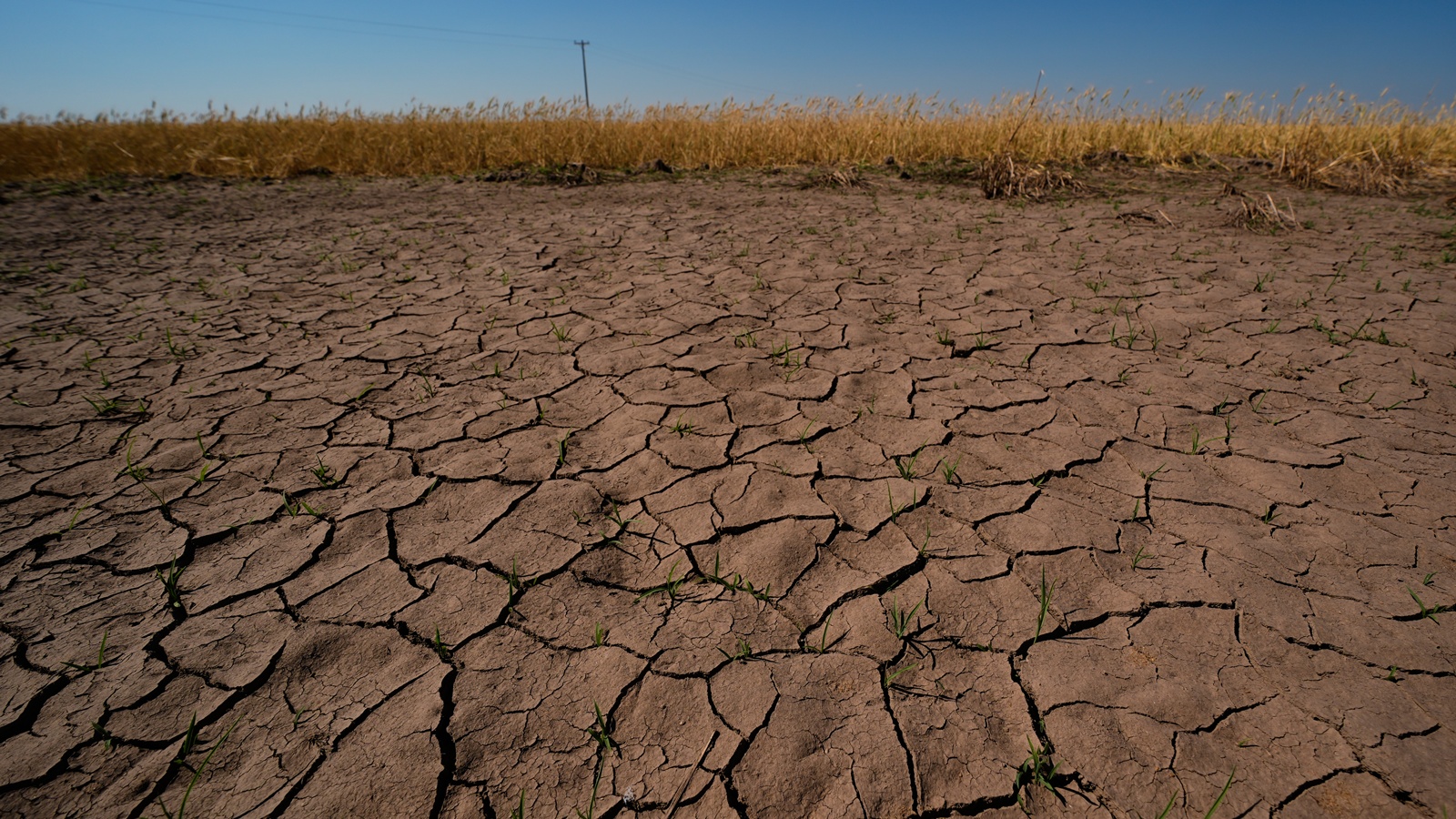
El Niño is a change in Pacific Ocean temperatures that can affect weather around the world.
The article says scientists expect a very strong El Niño in 2026 and possibly into spring 2027.
A strong El Niño can weaken or disrupt rains that India needs for farming.
India is already facing damage from floods, droughts, cyclones and other extreme weather.
Less rain could hurt crops, reservoirs and people who depend on farming.
Warmer seas could also damage coral reefs and reduce fish catches.
Scientists do not yet have enough local information about how these changes affect India’s ecosystems and communities.
The article asks the government and researchers to collect information quickly and work together.
It calls this joint preparation effort a “Super El Niño Abhiyan.”

The World Meteorological Organization and National Oceanic and Atmospheric Administration reportedly give high confidence that El Niño will continue into spring 2027.
The National Oceanic and Atmospheric Administration places more than 80 percent odds on a strong to very strong event, with temperature anomalies exceeding 2°C.
A severe El Niño could disrupt India’s monsoon, worsening risks to agriculture, reservoirs, ecosystems and food prices.
India’s coral reefs and marine fisheries face additional heat stress, with major impacts projected in the Arabian Sea and Bay of Bengal.
The article calls for a coordinated “Super El Niño Abhiyan” involving government agencies, scientists, philanthropies and communities.
- Who
- The World Meteorological Organization, National Oceanic and Atmospheric Administration, Indian researchers, government agencies, conservationists, farmers, pastoralists and fisherpeople are central to the article.
- What
- The article warns of a potentially strong or very strong El Niño and urges India to launch a coordinated scientific and administrative preparedness effort.
- Where
- The potential effects concern India, including its monsoon, forests, grasslands, rivers, coral reefs, Arabian Sea and Bay of Bengal, while the climate event originates in the Pacific Ocean.
- When
- The forecast discussed is for 2026, with effects potentially continuing into spring 2027; severe heat stress is expected to peak around March 2027.
- Why
- A strong El Niño could disrupt the monsoon, intensify ecological and livelihood damage, worsen agricultural risks and increase pressure on already vulnerable communities.
Key facts
- Forecast continuation
- The article cites a 97 percent probability that El Niño will continue into spring 2027.
- Strong-event probability
- The National Oceanic and Atmospheric Administration is reported to place the odds of a strong to very strong event above 80 percent.
- Projected ocean warming
- Pacific Ocean temperature anomalies are reported at 2.6°C above the usual El Niño threshold, with projections of up to 4°C.
- India’s extreme-weather exposure
- The article says 86 percent of days in India during 2023 saw an extreme weather event.
- Agricultural damage
- More than 2.2 million hectares of cropland were reportedly damaged in India in 2023.
- Coral decline
- Nature Conservation Foundation researchers recorded a 50 percent decline in Lakshadweep’s coral reefs between 1998 and 2025.
- Marine heat stress
- The Indian National Centre for Ocean Information Services predicts severe heat stress in the Arabian Sea and Bay of Bengal, peaking around March 2027.
Sources
Related news
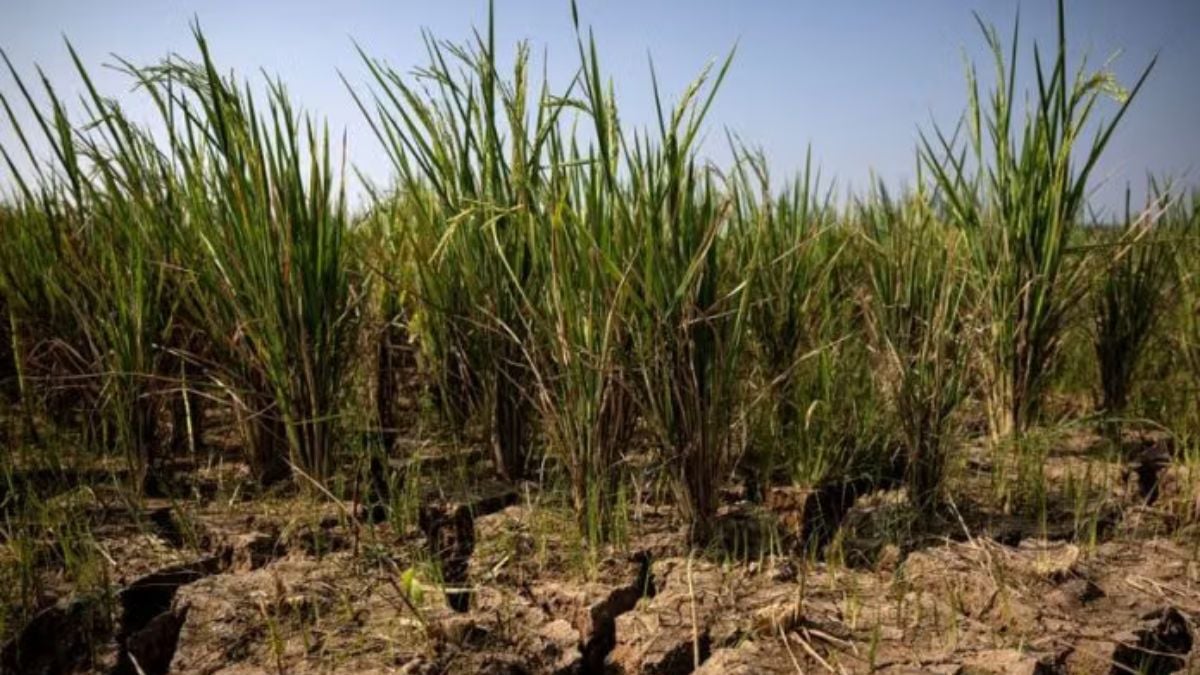
Indian Ecologists Warn of Extreme El Niño Threat Ahead
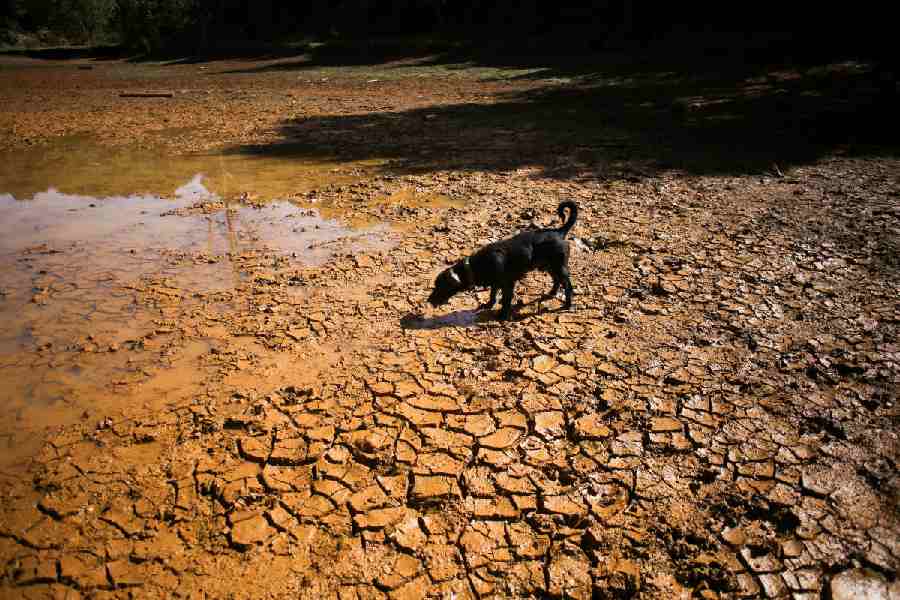
Super El Niño Threatens Heat, Drought, Floods, and Lives
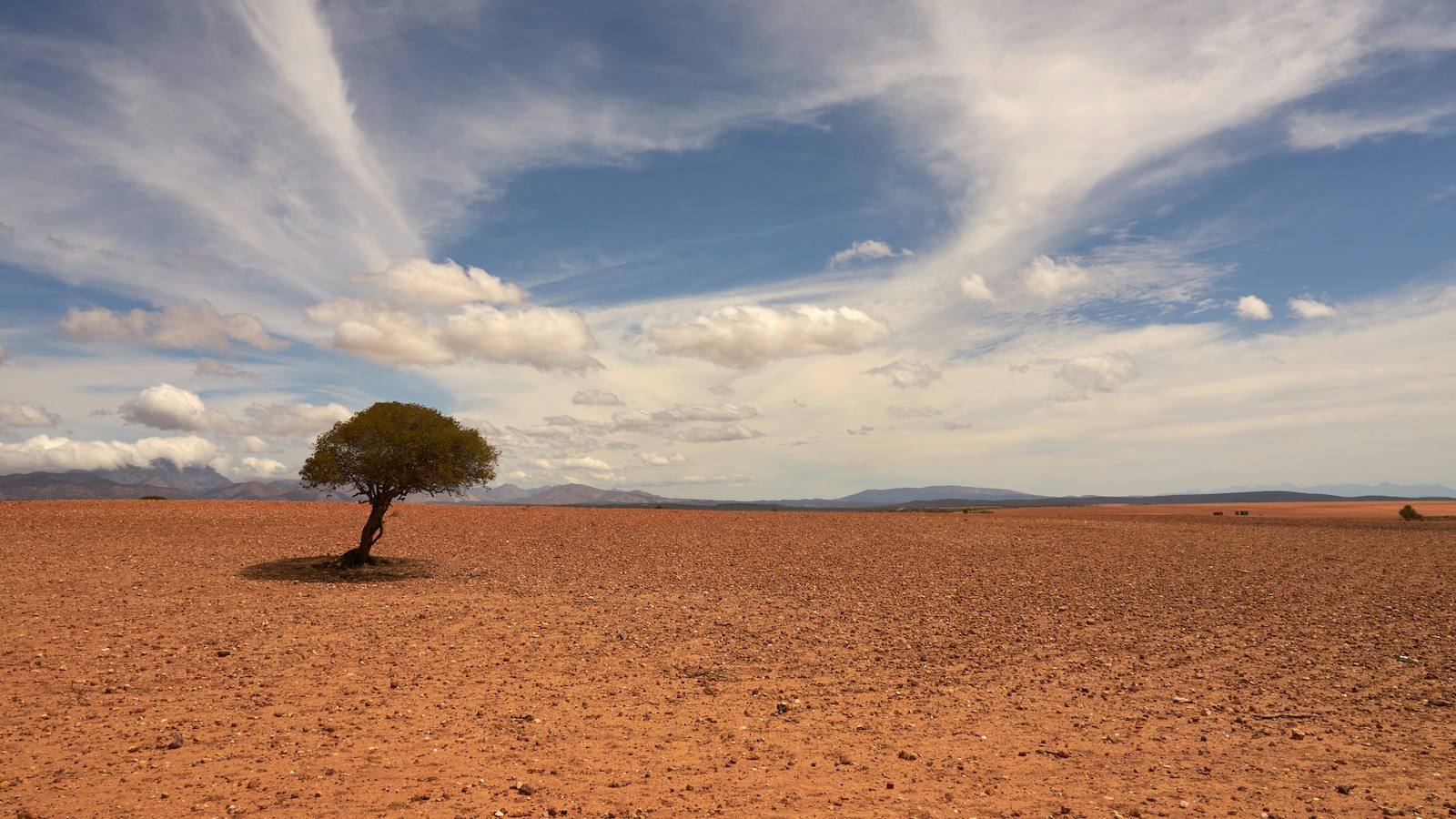
Supersized El Niño Could Become Strongest Ever, UN Warns
What Makes an El Niño Super and Especially Severe
Strengthening El Niño Raises India Climate and Crop Risks
Powerful El Niño May Become Strongest on Record

India’s Luxury Villas Offer Privacy at Over Rs 1 Lakh

Indian Agencies Seize ₹3,000 Crore Drugs, Arrest Five Pakistanis

Iranian Leader Says US Will Be Forced From Middle East

Iran’s Mojtaba Khamenei Says Enemy Forces Pushed From Hormuz