

1 hr ago
Vembanad Lake Clam Project Produces Eightfold Stock Increase

Scientists helped grow black clams in Vembanad Lake.
They placed five tonnes of young clams in a one-hectare area.
After 12 months, the clams had grown well.
About 80–90% of them survived.
The harvest may produce around 40 tonnes of clams.
This is seven to eight times the amount originally placed there.
Black clam numbers in the lake have been falling because of heavy fishing and changing environmental conditions.
The project was designed to help restore the clams and support fishing families.
It also received full financial support for participating Scheduled Caste communities.

A Central Marine Fisheries Research Institute project produced seven to eight times the quantity of black clam seed stocked in Vembanad Lake.
Five tonnes of clam seed were relayed across one hectare at Vadakkumkara, Alappuzha, and cultured for 12 months.
The clams recorded an estimated survival rate of 80–90%, with production expected to reach about 40 tonnes.
Black clam catches in Vembanad declined from 75,592 tonnes in 2006 to 45,601 tonnes in 2024.
The project was fully subsidized for Scheduled Caste communities and conducted with a local clam co-operative society.
- Who
- The ICAR-Central Marine Fisheries Research Institute, the Thaikkattussery Black Clam Co-operative Society, and participating Scheduled Caste communities.
- What
- A black clam stock-enhancement project produced seven to eight times the quantity of seed initially stocked.
- Where
- Vadakkumkara in Alappuzha district, within Vembanad Lake, India.
- When
- The clams were cultured for 12 months after being stocked in September of the previous year; the report was published October 1, 2026.
- Why
- The project aimed to replenish declining clam resources and support fishing-community livelihoods.
Key facts
- Species
- Black clam (Villorita cyprinoides)
- Initial stocking
- Five tonnes of seed across one hectare
- Culture period
- 12 months
- Survival rate
- Approximately 80–90%
- Expected production
- Around 40 tonnes
- Catch decline
- From 75,592 tonnes in 2006 to 45,601 tonnes in 2024
- Project support
- 100% subsidy for Scheduled Caste communities under the Central Government’s Scheduled Caste Sub Plan
Sources
Related news
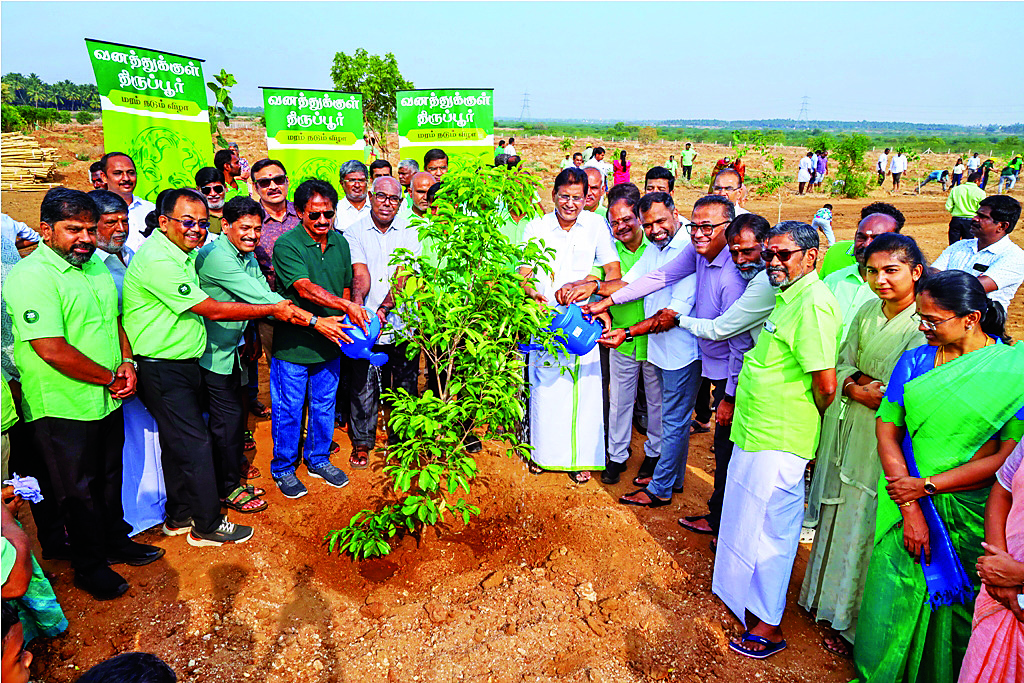
15,000 Saplings Planted Across 100 Acres Near Tiruppur Dam

Singh Assures West Bengal Fisheries Assistance to Reach Top Position
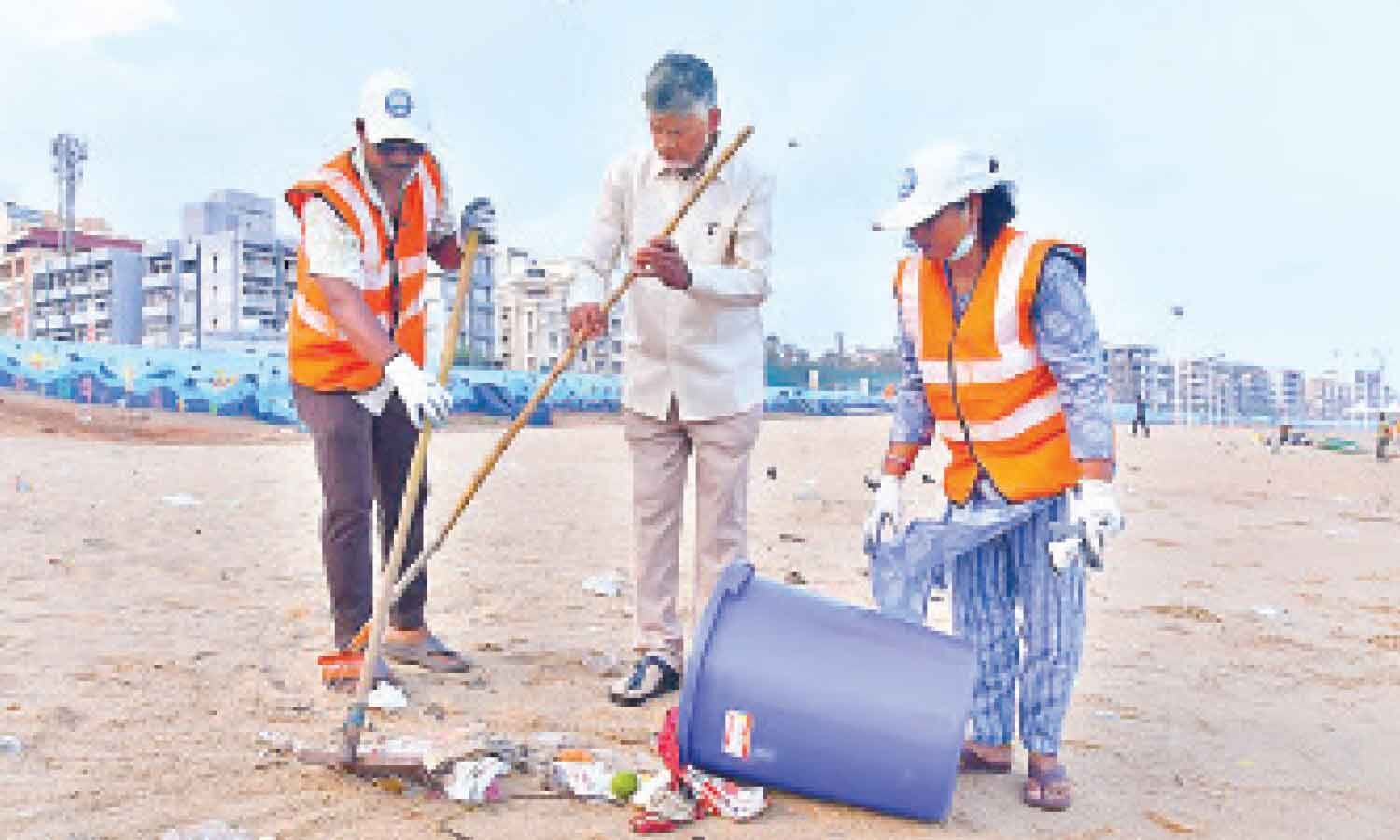
Naidu Reviews Coastal Cleanup, Inaugurates Plastic Recovery Centre
Kerala Plans Rs 93.22 Crore Coastal Protection Project
Karnataka Government Plans Rs 150 Crore Lake Rejuvenation Project

India’s Blue Revolution Targets Sustainable Growth Beyond Coastal Waters
ICAR-CMFRI advises consumers not to avoid tuna over parasites
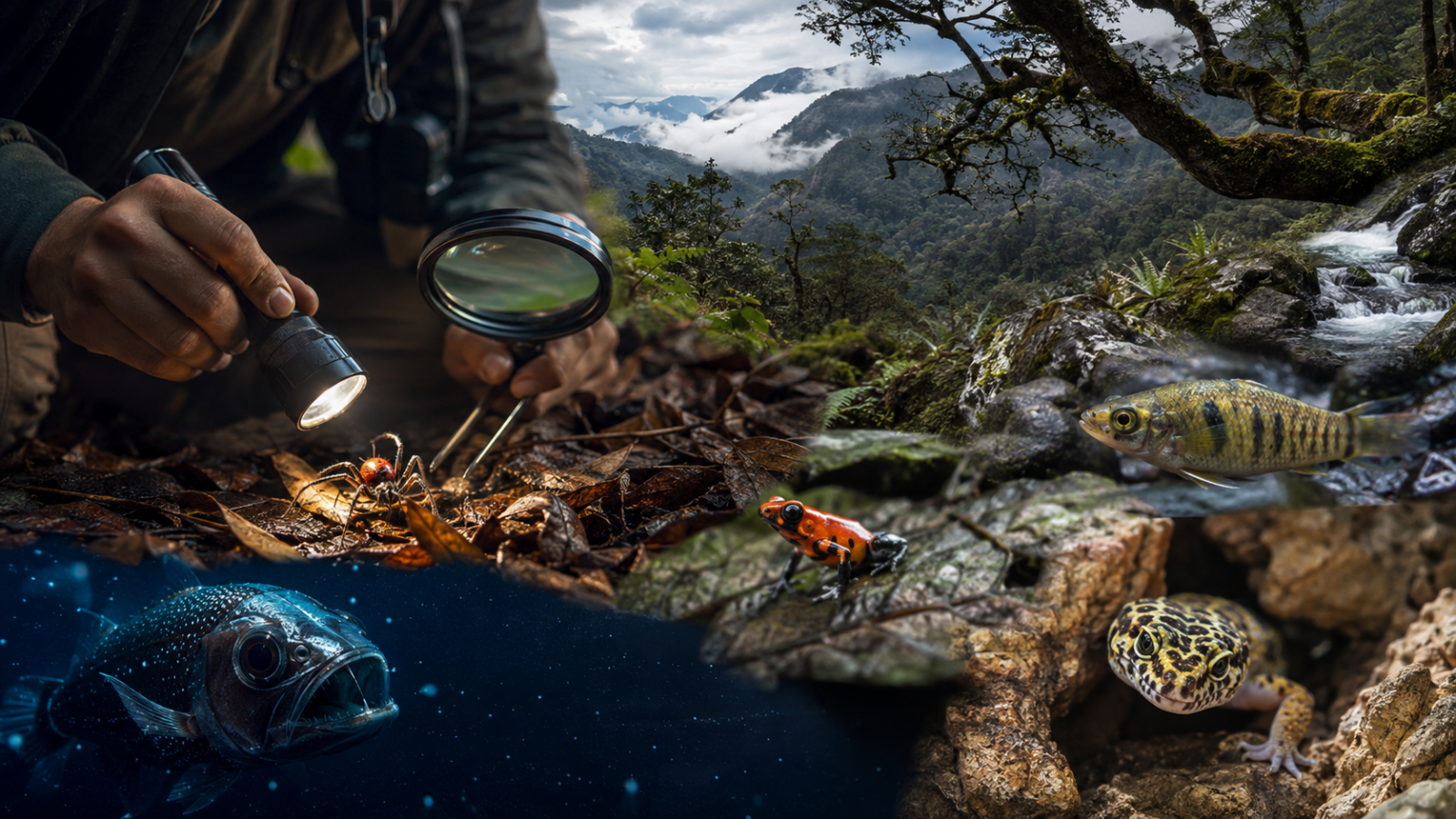
Five Accidental Animal Discoveries Reveal India’s Hidden Biodiversity
Scientists Discover New Deep-Sea Skate in Arabian Sea
Tricolour coral assemblage in Lakshadweep offers climate adaptation insights
