1 hr ago
India’s Blue Revolution Targets Sustainable Growth Beyond Coastal Waters

India has a lot of ocean and wants to use it to create more jobs and food.
This plan is called the Blue Revolution.
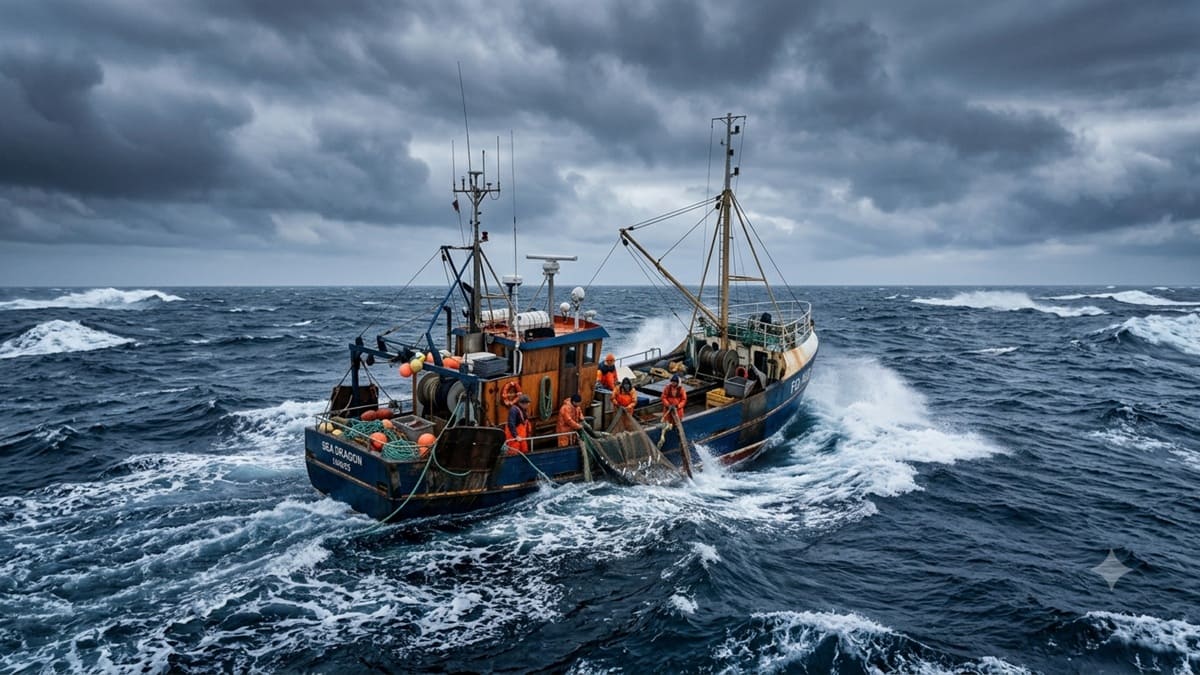
The country wants fishermen to catch valuable fish, such as tuna, farther from the shore.
India already produces a large amount of fish and sells seafood to more than 120 countries.
New rules will help Indian fishermen and cooperatives receive permission to fish in deeper waters.
The government also wants to use technology to track boats and certify seafood.
Fishing can create work in catching, processing, packaging and transporting fish.
Women and young people may gain more opportunities in these activities.
The article says the ocean must be protected while its resources are used.

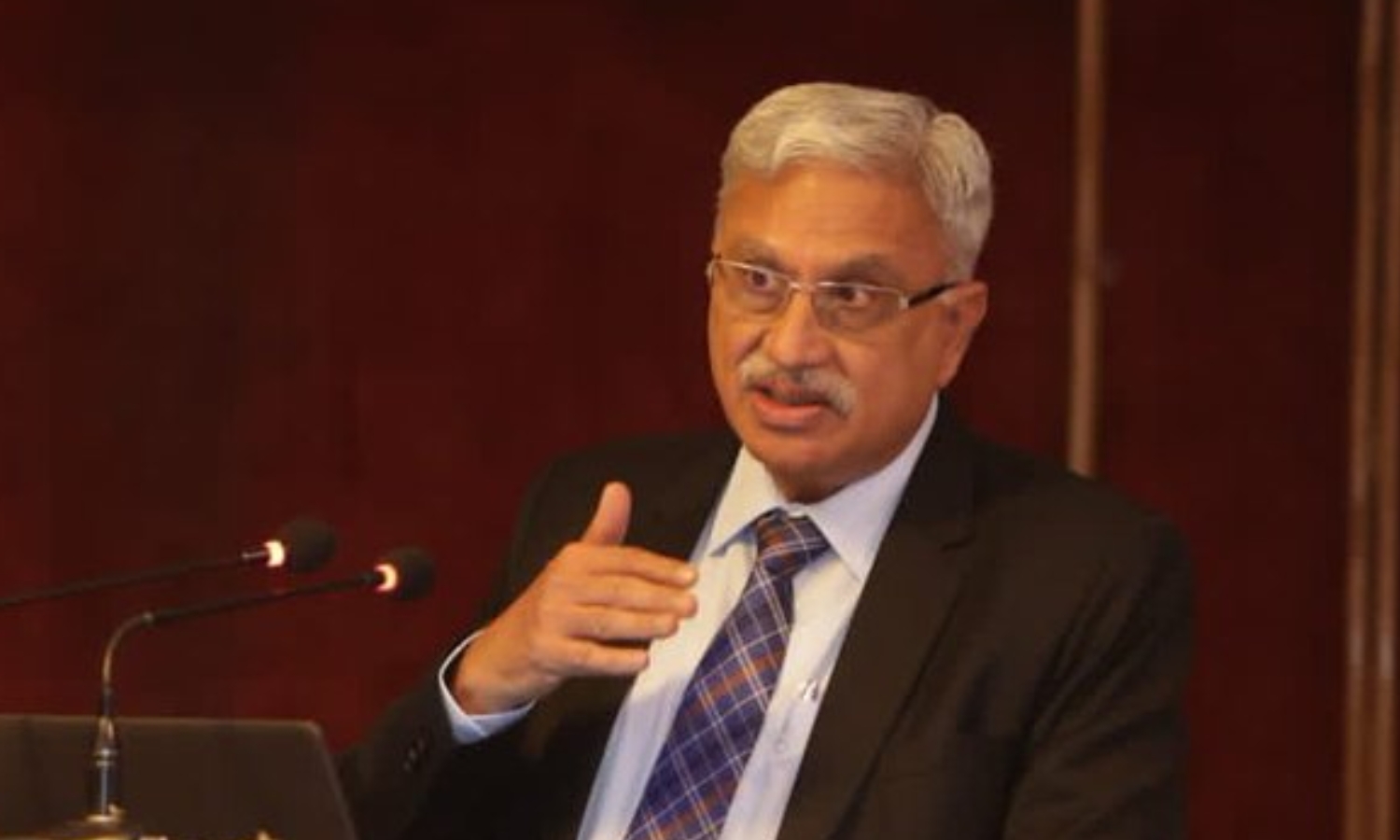
Vice President C P Radhakrishnan said India is expanding fisheries beyond coastal waters into its Exclusive Economic Zone and the high seas.
India produced more than 195 lakh tonnes of fish in 2024-25 and is the world’s second-largest fish-producing country.
The fisheries sector supports nearly 3 crore fishermen and fish farmers and contributes about 8 per cent of global fish production.
New 2025 fisheries rules prioritize Indian fishermen, fisheries cooperatives and Fish Farmer Producer Organisations for deep-sea authorizations.
The article says sustainable fishing, conservation compliance and action against illegal fishing must accompany growth in the blue economy.
- Who
- Vice President C P Radhakrishnan, the Union government, state governments, institutions, fishing communities and fisheries organizations.
- What
- India is promoting sustainable deep-sea and high-seas fishing as part of its Blue Revolution.
- Where
- India’s Exclusive Economic Zone and the high seas, with initiatives highlighted in Odisha and Lakshadweep.
- When
- The framework was announced in the Union Budget 2025-26; fish production exceeded 195 lakh tonnes in 2024-25.
- Why
- To expand fisheries, create jobs, support coastal communities, improve food security and increase seafood exports while protecting marine resources.
Key facts
- Coastline
- India has more than 11,000 km of coastline.
- Exclusive Economic Zone
- India’s EEZ extends across nearly 24 lakh square km.
- Fish production
- India produced more than 195 lakh tonnes of fish in 2024-25.
- Global ranking
- India is described as the world’s second-largest fish-producing country.
- Livelihoods
- The sector supports nearly 3 crore fishermen and fish farmers.
- Seafood exports
- India’s seafood exports exceeded Rs 73,000 crore during the last financial year mentioned.
- Export reach
- Indian seafood reaches more than 120 countries.
Sources
Related news
India Opens Deep-Sea Fishing With New Scientific Safeguards

India Urged to Link Coastal Ecology, Security and Blue Economy
New Blue Economy Centre Aims to Advance Sustainable Ocean Growth
Minister Highlights Rising Fish Exports, New Markets Despite US Tariffs

Bengal’s Untapped Prawn Potential Could Unlock Rs 10,000-Crore Economy

Why India Needs a Bigger Navy Across Sea Lanes

Bengal Plans 23-Day Public Service Campaign for Modi’s Birthday

Narendra Modi Turns 76 After Decades In Public Life

BJP Leads Rajasthan Civic Polls but Misses Six Majorities
Centre Mediates Historic Inter-State Disputes Through Cooperative Federalism