1 day ago
Maharashtra Village’s Wedding DJ Ban Helps Protect Vultures

Chirgaon is a village where vultures make their nests.
Since 2002, people there have kept DJs and loudspeakers out of celebrations.
They also limit firecrackers and visits to sensitive nesting areas.
These rules help make the birds’ nesting places quieter.
The village has also protected trees and worked to make sure the birds can find food.
A census counted 347 vultures in 2022, compared with 22 about two decades earlier.
The DJ ban is only one part of the work that helped the birds recover.
Studies suggest that repeated loud noise can disturb nesting birds, but the effects depend on the animal and the situation.

Chirgaon in Maharashtra’s Raigad district has prohibited DJs and loudspeakers since 2002.
The village also restricts firecrackers and other disturbances near vulture nesting areas.
A 2022 census recorded 347 vultures in the area, compared with 22 two decades earlier.
Conservation work included protecting nesting trees and ensuring food, alongside reducing human disturbance.
Research suggests repeated, very noisy activity can disrupt nest attendance and raise breeding-failure risk, though effects vary by species and situation.
- Who
- Residents of Chirgaon, working with conservationists including Premsagar Mestri and SEESCAP.
- What
- The village limits noise and other disturbance to help protect nesting vultures.
- Where
- Chirgaon, in Maharashtra’s Raigad district, India.
- When
- The DJ and loudspeaker restrictions have been in place since 2002; the cited census was in 2022.
- Why
- To reduce disturbance around vulture nests and support breeding.
Key facts
- DJ and loudspeaker restrictions
- In place since 2002.
- Vultures recorded
- 347 in the 2022 census, compared with 22 about two decades earlier.
- Vulture species mentioned
- White-rumped and long-billed vultures.
- Nesting area
- The Chirgaon-Bagechiwadi Devrai is described as 43 hectares.
- Other disturbance controls
- Restrictions include firecrackers and access to sensitive nesting areas.
- Noise research review
- A 2023 review examined 48 studies published between 1995 and 2021.
- Conservation work
- Included protecting nesting trees, reducing disturbance, and ensuring food for the birds.
Sources
Related news

Himalayan Monals Raise Their Calls Amid Noisier Uttarakhand Habitats
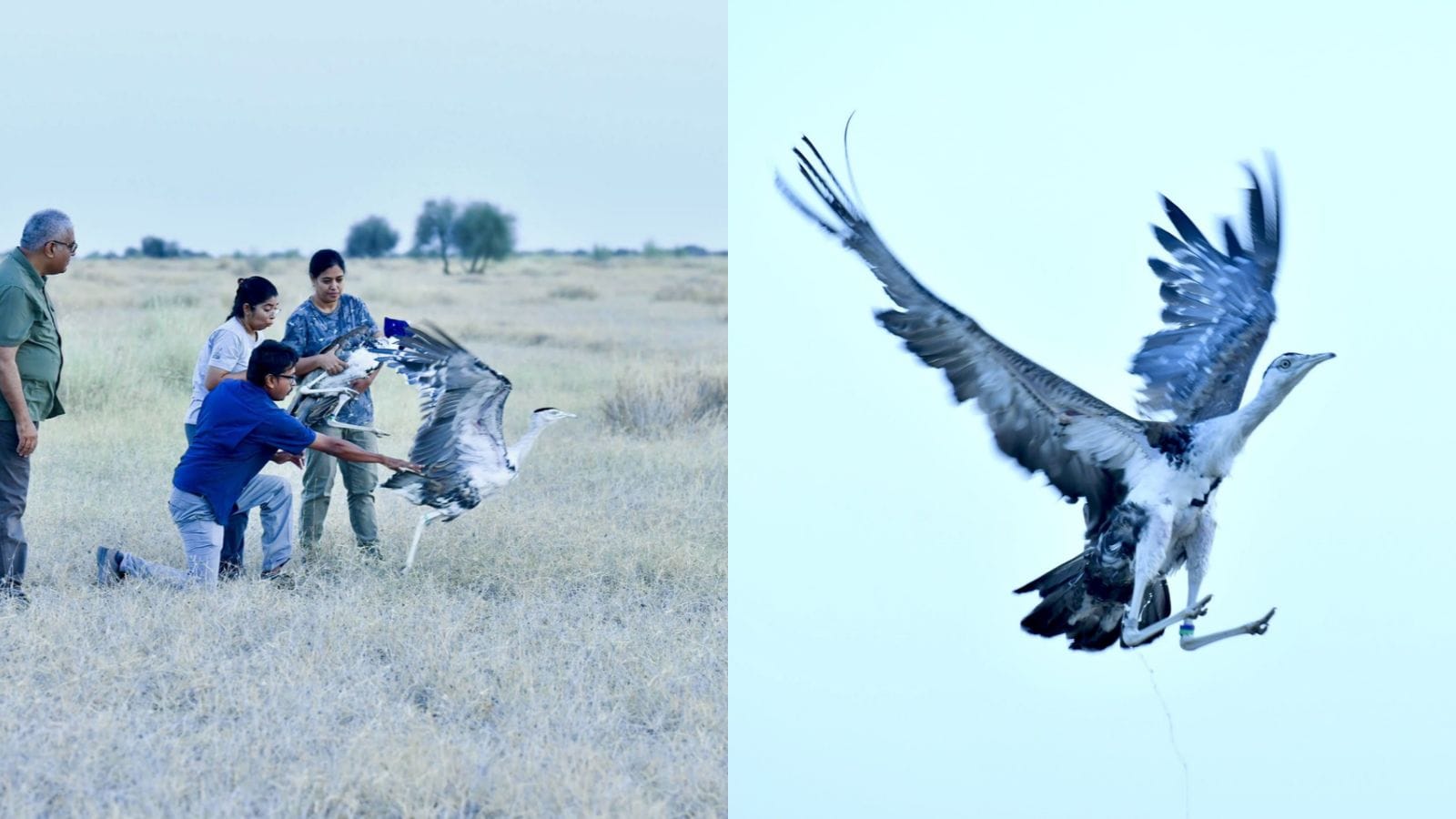
Two Great Indian Bustards Released as Scientists Warn of Wider Threats
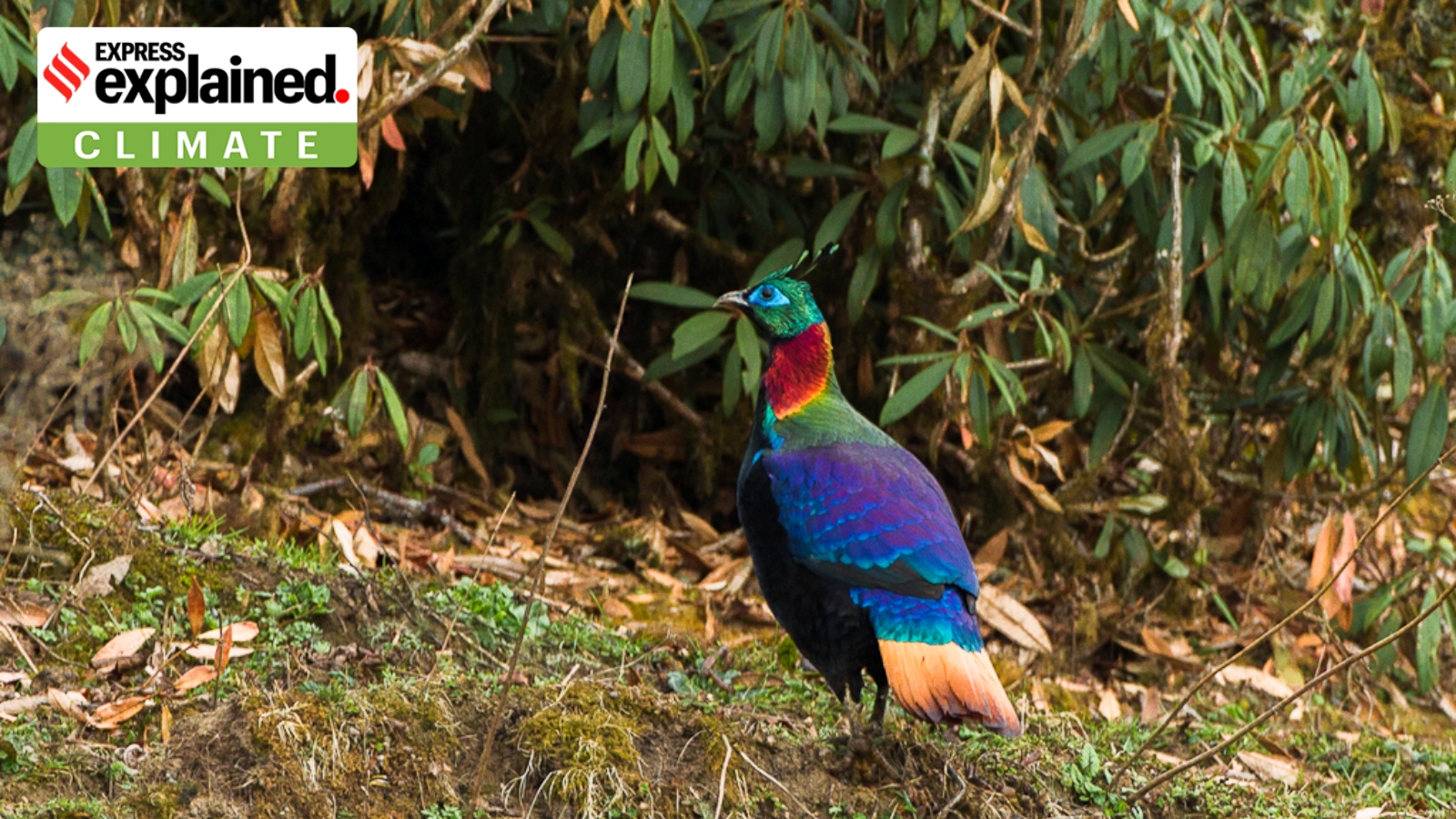
Human Noise Alters Himalayan Monal Calls, Studies Find
Why Wild Animals Need Quiet Places to Survive
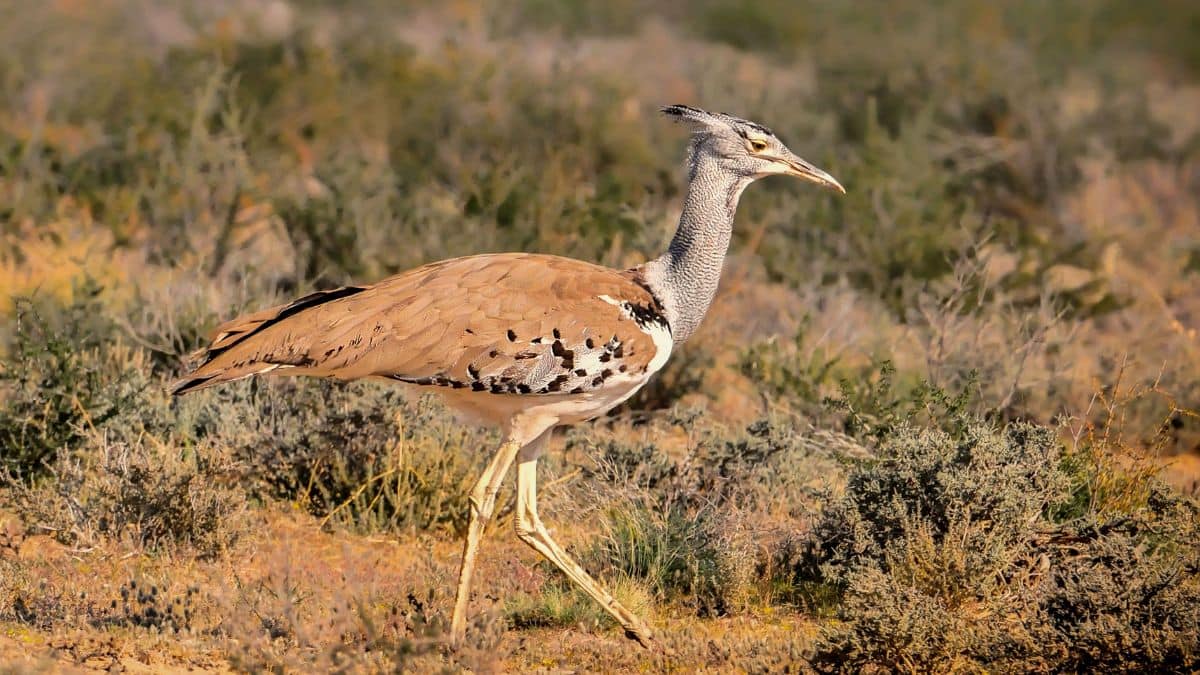
Great Indian Bustard Conservation Focuses on Small, Local Solutions

Human Activity Is Changing Himalayan Monals’ Habitat and Calls

Top ‘N Town Says Milk Remains at Ice Cream’s Heart

Maharashtra Cabinet Raises Student Aid, Approves Custody Death Compensation

Keralam and NTPC Plan 2,000-MWh Battery Storage at Kayamkulam

Abhishek Vichare Launches The Girl Who Waited for Love

Pune MPSC Protest Turns Tense as Students Move Toward Riverbed