1 hr ago
Two Captive-Bred Great Indian Bustards Released Into Indian Wild
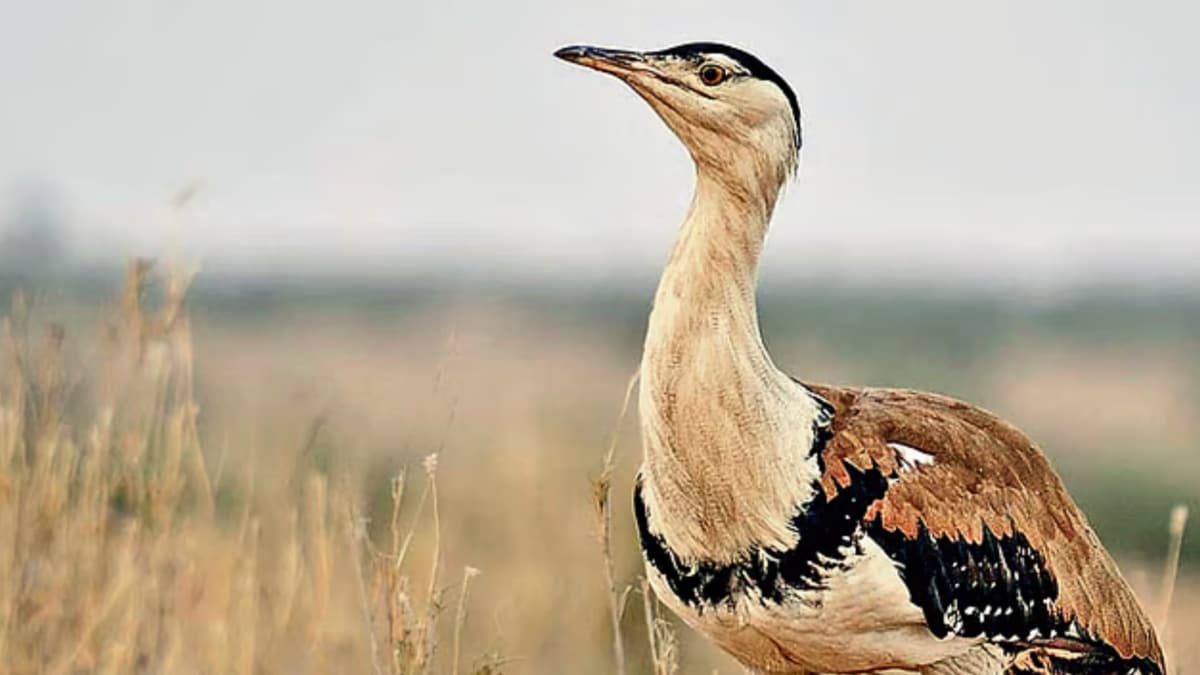
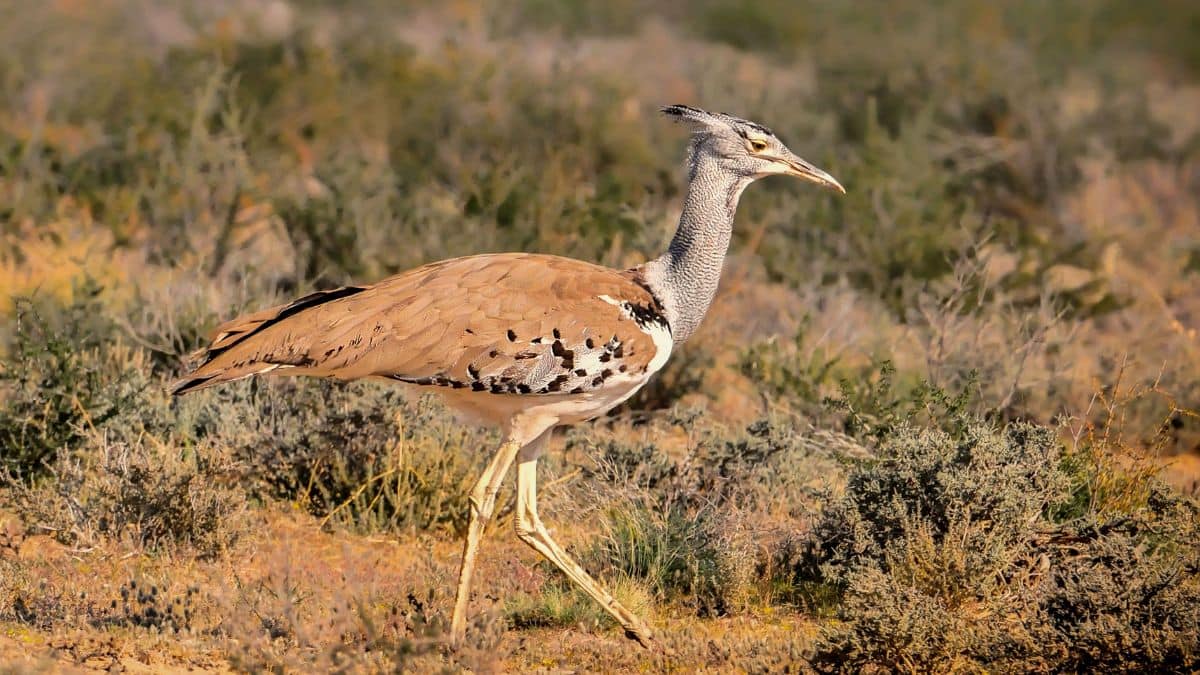
The Great Indian Bustard is a large bird that has become very rare in India.
People believe fewer than 150 are left in the wild.
Two birds raised in a conservation programme were released at Desert National Park in Rajasthan.
This is an important step, but releasing them is only the beginning.
The birds must learn to live safely and find food and water in the wild.
Before release, they were trained to hunt insects and locate water.
Their grassland homes have shrunk, and some birds have been killed by hunters or by flying into power lines.
Conservationists will be watching to see whether the released birds can survive and reproduce.

Two captive-bred Great Indian Bustards were released at Desert National Park near Sam, Jaisalmer.
The release is the first major release under India’s captive-breeding programme.
Fewer than 150 Great Indian Bustards are believed to remain in the wild.
By June 2026, the captive population had reached 98 birds, including 38 born through artificial insemination.
Habitat loss, hunting and fatal collisions with overhead power lines have contributed to the species’ decline.
- Who
- Two captive-bred Great Indian Bustards.
- What
- They were released into the wild in the first major release under India’s captive-breeding programme.
- Where
- Desert National Park at Sam, Jaisalmer, Rajasthan, India.
- When
- The release was reported on October 5, 2026; the article does not specify the exact release date.
- Why
- To help revive the critically endangered species and rebuild its wild population.
Key facts
- Species
- Great Indian Bustard (Ardeotis nigriceps)
- Wild population
- Fewer than 150 are believed to remain in the wild.
- Released
- Two captive-bred birds
- Release location
- Desert National Park, Sam, Jaisalmer
- Captive-breeding programme
- Launched in Rajasthan in 2016
- Captive population
- 98 birds by June 2026, including 38 born through artificial insemination
- Rewilding facility
- The Ramdevra facility was built at a cost of Rs 9.25 crore.
Sources
Related news
Captive-Bred Great Indian Bustards Prepare for First Wild Release
Great Indian Bustard Rewilding Set to Begin in Jaisalmer
Great Indian Bustard Conservation Focuses on Small, Local Solutions

Gujarat Inaugurates Great Indian Bustard Soft Release Centre in Kutch

Maharashtra’s Tiger Reserves Boost Captive-Bred Vulture Survival Rates
Gujarat to Launch AI Wildlife Surveillance Centre for Lions