

1 hr ago
Great Indian Bustard Conservation Focuses on Small, Local Solutions
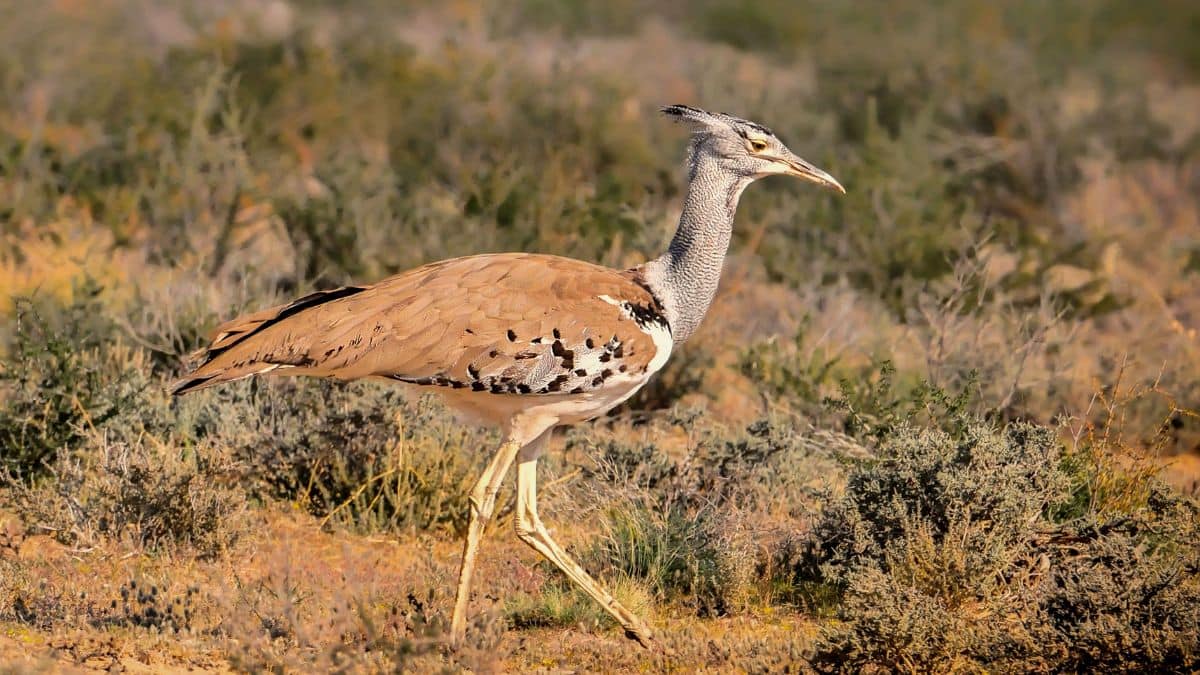
The Great Indian Bustard is a very rare bird living in Rajasthan’s deserts.
It is shy and lays only one egg each year.
That makes it difficult for the species to grow in number.
People are creating small water points so the birds can drink safely.
Communities are also replanting native grasses that the birds need.
Teams have rescued some eggs and chicks from danger.
Stray dogs and grazing livestock can harm the birds, so conservationists are working to reduce those risks.
The bird’s population may now be above 150, but it is still in serious danger.
Saving it will require patience and cooperation between scientists, officials, and local communities.

The Great Indian Bustard, or Godavan, is an extremely endangered bird that lays only one egg a year.
Conservation efforts in Rajasthan have created water points and restored native sewan grasslands.
Around 20 eggs have been recovered from the wild using vehicles suited to desert terrain.
A sterilisation programme has addressed stray dogs, while nearby fodder areas aim to keep livestock away from nesting habitats.
The population is estimated at 150–200 birds, up from a previously cited 110–120, though recovery remains slow.
- Who
- The Great Indian Bustard, government bodies, scientific institutions, forest officials, local communities, and conservation supporters including Diageo India.
- What
- A collaborative conservation effort is protecting the endangered bird through water access, grassland restoration, egg and chick support, predator management, and reduced livestock disturbance.
- Where
- The efforts are taking place in the desert landscapes of Rajasthan, along the bird’s natural movement routes and nearby villages.
- When
- The article discusses efforts over the past two years and Wildlife Week 2026, observed from October 2 to 8.
- Why
- The bird faces habitat degradation, limited reproduction, predators, water-access problems, and disturbance from livestock.
Key facts
- Other name
- Godavan
- Population estimate
- Approximately 150–200 birds
- Reproduction
- The bird lays one egg per year
- Eggs recovered
- Around 20 eggs recovered from the wild
- Habitat measure
- Native sewan grasslands are being replanted
- Predator measure
- A stray-dog sterilisation programme covered hundreds of animals over two years
- Conservation partners
- Forest officials, scientists, local communities, and conservation organisations
Quotes
Navdeep Singh Mehram
Vice President for CSR and Sustainability at Diageo India
“We are not looking at participating to gain PR out of it. We wanted to be on the ground and build trust.”
 firstpost.com
“Everyone talks about tigers and lions. This bird needed attention.”
firstpost.com
Sources
Related news

Gujarat Inaugurates Great Indian Bustard Soft Release Centre in Kutch
Bhupender Yadav Calls for More Vulture Safe Zones
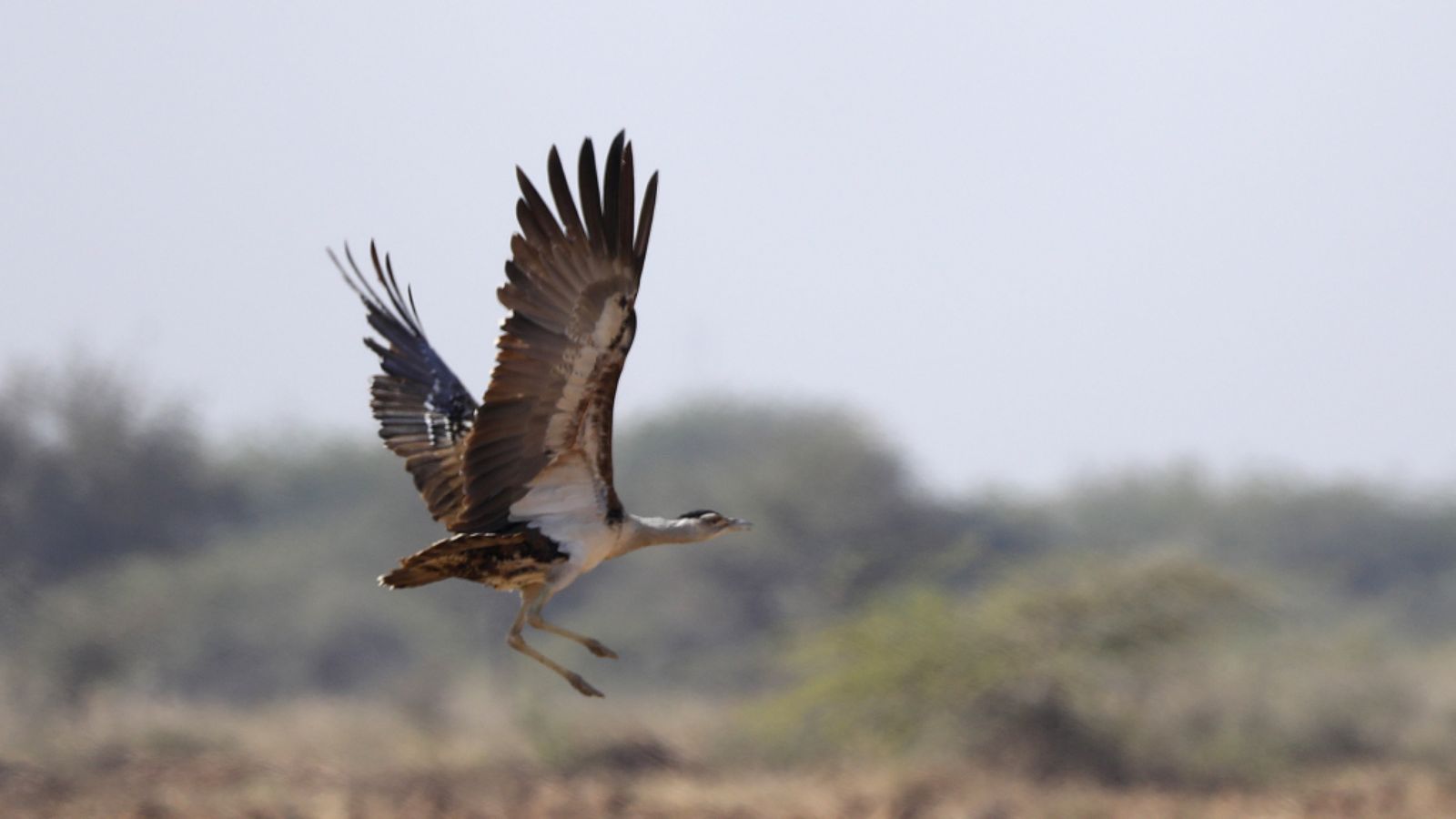
Centre Defers Limestone Mine Clearance Near Great Indian Bustard Habitat
Ramesh Warns Against Rajasthan Mine Near Bustard Habitat
Gujarat to Launch AI Wildlife Surveillance Centre for Lions

Nomura sees Nestle, Marico and Tata Consumer surprising in Q2

Three Stocks Draw Buy Calls With Targets And Stop-Losses
India’s Weakest Monsoon in Ten Years Threatens Rural Demand

Coca-Cola Foundation Backs Godavari Initiative’s Next Water Stewardship Chapter
