27 mins ago
Why Wild Animals Need Quiet Places to Survive
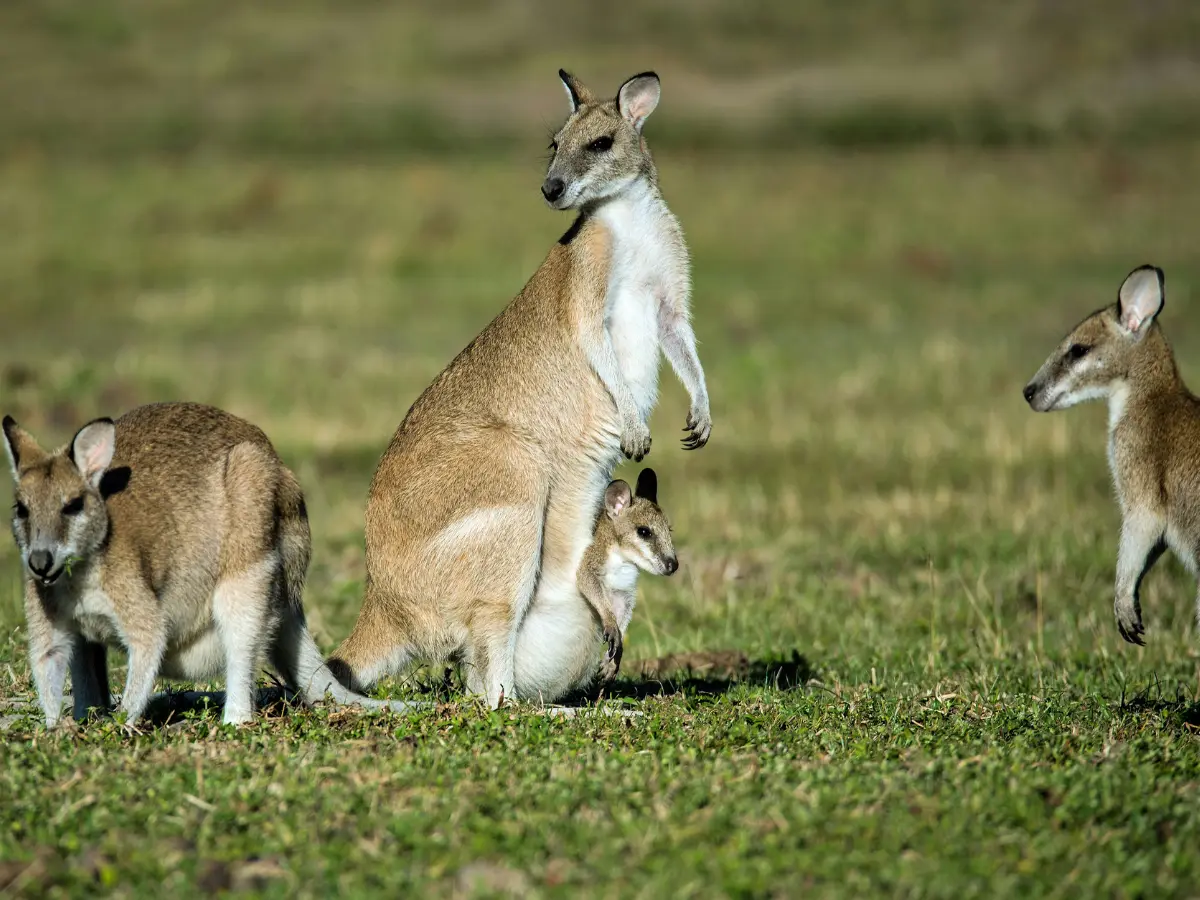
Wild animals use sound to find food, avoid danger, and communicate with one another.
Human activities can make forests, cities, and oceans much noisier.
This extra noise can cover up the natural sounds animals need to hear.
Scientists call this problem acoustic masking.
If animals cannot hear well, predators may miss prey and prey may not notice danger.
Noise can also make it harder for birds and whales to find mates and communicate.
A study found that noise doubled background sound in many protected areas in the United States.
Minke whales may lose about 80 percent of their communication range because of ocean noise.
Quiet zones and careful travel can help protect the sounds animals depend on.

Human-made noise from traffic, aircraft, shipping, and industry is reaching remote forests, oceans, and protected areas.
A 2017 Science study found that human-caused noise doubled background sound levels in 63 percent of protected areas in the United States.
A 10-decibel increase in human-generated noise can reduce an animal’s listening area by 90 percent.
Noise can disrupt hunting, predator detection, mating calls, breeding, and navigation among land and marine species.
Conservationists are proposing quiet zones, acoustic buffers, quieter travel, and adjusted flight paths to protect natural soundscapes.
- Who
- Wild animals, conservationists, park managers, travellers, and human activities that generate noise are involved.
- What
- Human-made acoustic pollution is masking natural sounds and disrupting wildlife survival, communication, and reproduction.
- Where
- The effects are reported in remote forests, protected areas in the United States, cities, and oceans affected by shipping noise.
- When
- The issue is ongoing; a landmark study cited in the article was published in 2017.
- Why
- Animals need natural sounds to hunt, detect predators, find mates, communicate, navigate, and reproduce.
Key facts
- Main threat
- Human-generated acoustic pollution from traffic, aircraft, industry, and commercial shipping.
- Protected areas affected
- Human-caused noise doubled background sound levels in 63 percent of protected areas in the United States, according to a 2017 Science study.
- Listening-area decline
- A 10-decibel increase in anthropogenic noise can cause a 90 percent decline in an animal’s listening area.
- Bird impacts
- Ash-throated flycatchers experience lower reproductive success under constant energy-sector noise.
- Urban bird response
- Great tits sing at higher frequencies to be heard over traffic.
- Marine impact
- Minke whales lose around 80 percent of their communication range because of ocean noise.
- Proposed solutions
- Quiet zones, acoustic buffer zones, adjusted flight paths, limits on heavy vehicles, and lower visitor noise.
Sources
Related news
Deforestation Fragments Forests, Wildlife Movement and Human Conflict

AI Animal Communication Research Offers Hope Alongside Risks
AI Decodes Animal Sounds, Raising Hopes of Interspecies Communication
AI Cannot Decode Dugong Calls Yet, Say Scientists
Boat operator fined $5,255 for waking sleeping polar bear