2 weeks ago
SIR Citizenship Check Threatens India's Secular Democracy, Analysts Warn
India is a big country with many different people.
Its constitution once said that everyone there is an equal citizen.
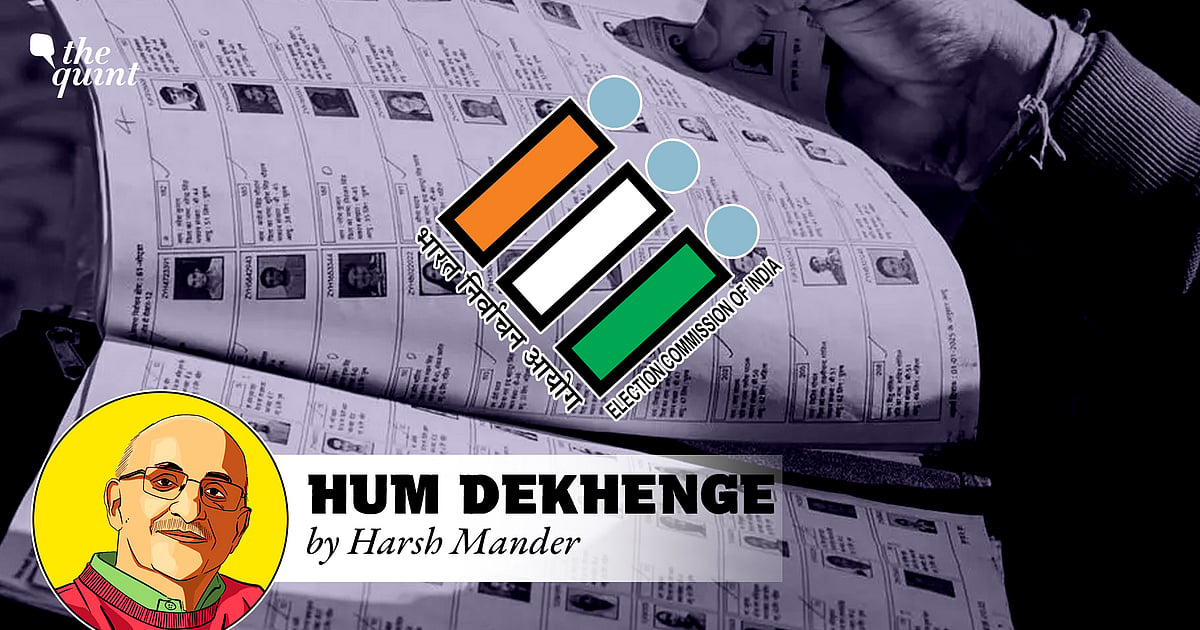
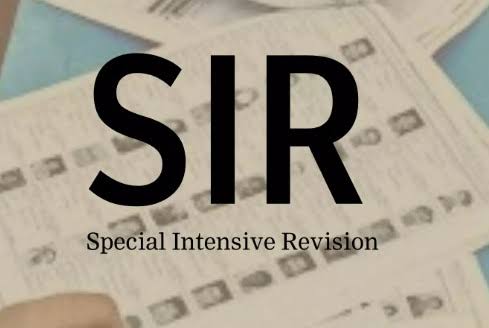
Now the government is running a big check called SIR, where people must show papers to prove they belong.
Two experts quoted in the article, Niraja Jayal and Teltumbde, are worried about this.
They say the old rule believed you were a citizen unless someone proved you were not.
Now, they fear, the rule is that you are not a citizen unless you can prove you are.
This could make millions of people lose their home country, something called statelessness.
The experts also point out that the government has not counted its people with a census since 2021.
They warn this check could remove people unfairly and weaken India's fair democracy.
The writer of the article asks ordinary people to stand up for those who may be treated unfairly.

The SIR, a citizenship verification exercise in India, is criticized in this opinion piece as threatening secular democracy.
Political scientist Niraja Jayal warns the presumption of universal citizenship is being replaced by a presumption of universal alienage.
Teltumbde notes the SIR is being conducted while the census, due in 2021, has not been held for five years.
The article warns the exercise could manufacture mass statelessness on a scale never seen in the democratic world.
The author argues a century-old Hindutva project aims to diminish equal citizenship for Muslims and Christians and urges the silent majority to speak up.
- Who
- Political scientist Niraja Jayal, analyst Teltumbde, and the opinion author who leads the Karwan-e-Mohabbat campaign; the communities of concern are Muslims and Christians in India.
- What
- A citizenship verification exercise called the SIR that critics say could create mass statelessness and undermine India's secular democracy.
- Where
- India.
- When
- Ongoing at the time of writing; the article notes the census, due in 2021, has not been conducted for five years.
- Why
- Because exclusionary ideas of citizenship are reportedly triumphing over the constitution's presumption of universal equal citizenship, letting an administrative exercise redraw the political community.
Constitutional universalism
Exclusionary citizenship
Who is entitled to Indian citizenship?
Constitutional universalism
The constitution's presumption of universal equal citizenship should stand, so people do not have to prove they belong.
Exclusionary citizenship
Citizenship should be exclusionary, requiring people to document and prove their entitlement, with those who cannot prove it removed.
Key facts
- Event
- SIR — a citizenship verification exercise in India
- Country
- India
- Census status
- Not conducted for five years since it was due in 2021
- Key concern
- Potential mass statelessness 'on a scale never seen in the democratic world'
- Communities cited
- Muslims and Christians
- Experts quoted
- Niraja Jayal and Teltumbde
- Nature of piece
- Opinion article; author leads the Karwan-e-Mohabbat campaign
- Publisher
- The Quint
Sources
Related news
SIR Verdict Criticised for Enabling Electoral Exclusion

SIR Citizenship Verification Must Balance Electoral Integrity and Fairness
Trump Praises India’s Voter ID System Amid Roll Revision Row
Electoral Roll Purge Draws Warning Over India’s Voting Rights
Parliamentary Oversight Can Strengthen India’s Transparent, Responsive Governance
Why India Has Never Appointed a Distinguished Jurist
Constitution, Not Bhagwat, Determines Muslims’ Belonging in India
Kerala High Court Rejects ₹20,000 Compensation Cap

Kerala Minister Condemns Calls to Confine Women at Home