1 day ago
Why India Has Never Appointed a Distinguished Jurist
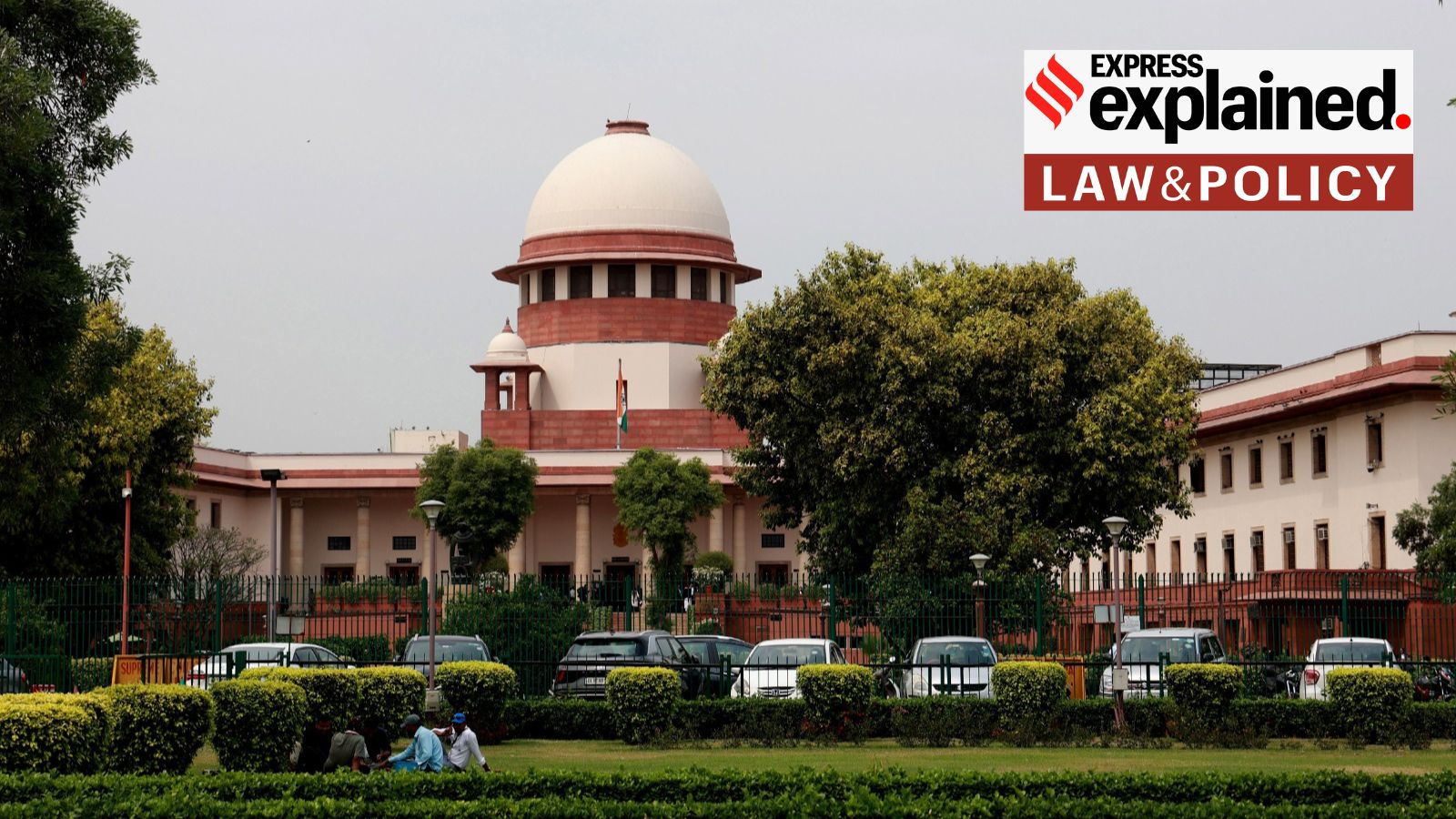
India’s Constitution allows a special kind of person called a distinguished jurist to become a Supreme Court judge.
This person could be a highly respected legal teacher, researcher, or expert, even without working as a courtroom lawyer.
So far, India has never used this option.
Most Supreme Court judges have previously served in High Courts or practised as lawyers.
Justice Ujjal Bhuyan said adding a jurist could bring new ideas and make the court’s work more varied.
He suggested that India may either lack enough academics considered suitable or that officials have not seriously searched for one.
Full-time law teachers also generally cannot practise law under Bar Council rules.
A jurist would normally need to be recommended by the Supreme Court collegium before the government considers the appointment.

Article 124(3) permits appointing a distinguished jurist to India’s Supreme Court.
Justice Ujjal Bhuyan called the unused provision a constitutional mandate needing attention.
The provision was designed to include legal scholars without courtroom or judicial experience.
Appointments have instead come through High Courts or directly from the Bar.
Possible reasons include limited academic depth and insufficient exploration by authorities.
- Who
- Justice Ujjal Bhuyan discussed the constitutional provision; the provision concerns distinguished legal scholars or jurists.
- What
- The discussion concerns Article 124(3), which permits appointing a distinguished jurist as a Supreme Court judge, a route never used in India.
- Where
- National Law University Delhi and the Supreme Court of India.
- When
- Justice Bhuyan spoke on August 30 at the 13th convocation of National Law University Delhi’s LL.M programmes; the Constitution has been in force for more than 76 years.
- Why
- Justice Bhuyan said a jurist could diversify the Bench, contribute to public-law decisions, and strengthen the role of legal academia.
Arguments for using the provision
Explanations for leaving it unused
Value of academic expertise
Arguments for using the provision
Justice Ujjal Bhuyan said a distinguished jurist could diversify the Bench, avoid narrow technicalities, address public-law issues, and give legal academia a defining role in Supreme Court decision-making.
Explanations for leaving it unused
The provision has not been used, possibly because the Central Government and later the collegium believed Indian academia lacked sufficient depth among potential candidates.
Whether suitable candidates exist
Arguments for using the provision
Supporters point to the constitutional design and Constituent Assembly arguments that people with outstanding legal and juristic learning could contribute even without courtroom practice.
Explanations for leaving it unused
Another explanation offered by Justice Bhuyan is that the Central Government and collegium have not seriously explored the provision; Upendra Baxi described the issue as effectively a dead one.
Practical eligibility barriers
Arguments for using the provision
The category is generally understood to include people engaged in serious legal practice, teaching, or research, including those without courtroom experience.
Explanations for leaving it unused
Bar Council rules generally prevent full-time law teachers from practising law, while the collegium-based appointment process creates an additional institutional hurdle for academic jurists.
Key facts
- Constitutional provision
- Article 124(3) allows a citizen of India to be appointed a Supreme Court judge if they are, in the President’s opinion, a distinguished jurist.
- Other eligibility routes
- A candidate may also have served five years as a High Court judge or practised as an advocate for ten years.
- Use of jurist route
- No distinguished jurist has been appointed to India’s Supreme Court.
- Recent direct Bar appointment
- The article identifies Justice V Mohana as the most recent lawyer appointed directly from the Bar, recommended in May 2026 and sworn in the following month.
- Constituent Assembly
- The clause was added on May 24, 1949, after H V Kamath proposed expanding eligibility beyond judges and advocates.
- High Court provision
- The 42nd Amendment added a distinguished-jurist provision for High Court appointments, but the 44th Amendment later repealed it.
- Appointment process
- Supreme Court appointments are initiated through the collegium system, so a jurist would first need a collegium recommendation.
Quotes
Justice Ujjal Bhuyan
Supreme Court judge who discussed the unused constitutional appointment route.
“The first is that earlier in the view of the Central Government and thereafter of the collegium, there is not enough depth in the Indian academia to be considered for elevation as a judge of the Supreme Court. The second is that both the Central Government and the collegium have not seriously explored this provision thus far.”
 indianexpress.com
“While our Constitution has a provision for appointment of a jurist as a judge of the Supreme Court, no jurist has been appointed so far to the Supreme Court though the Constitution has completed more than 76 years.”
indianexpress.com
Sources
Related news
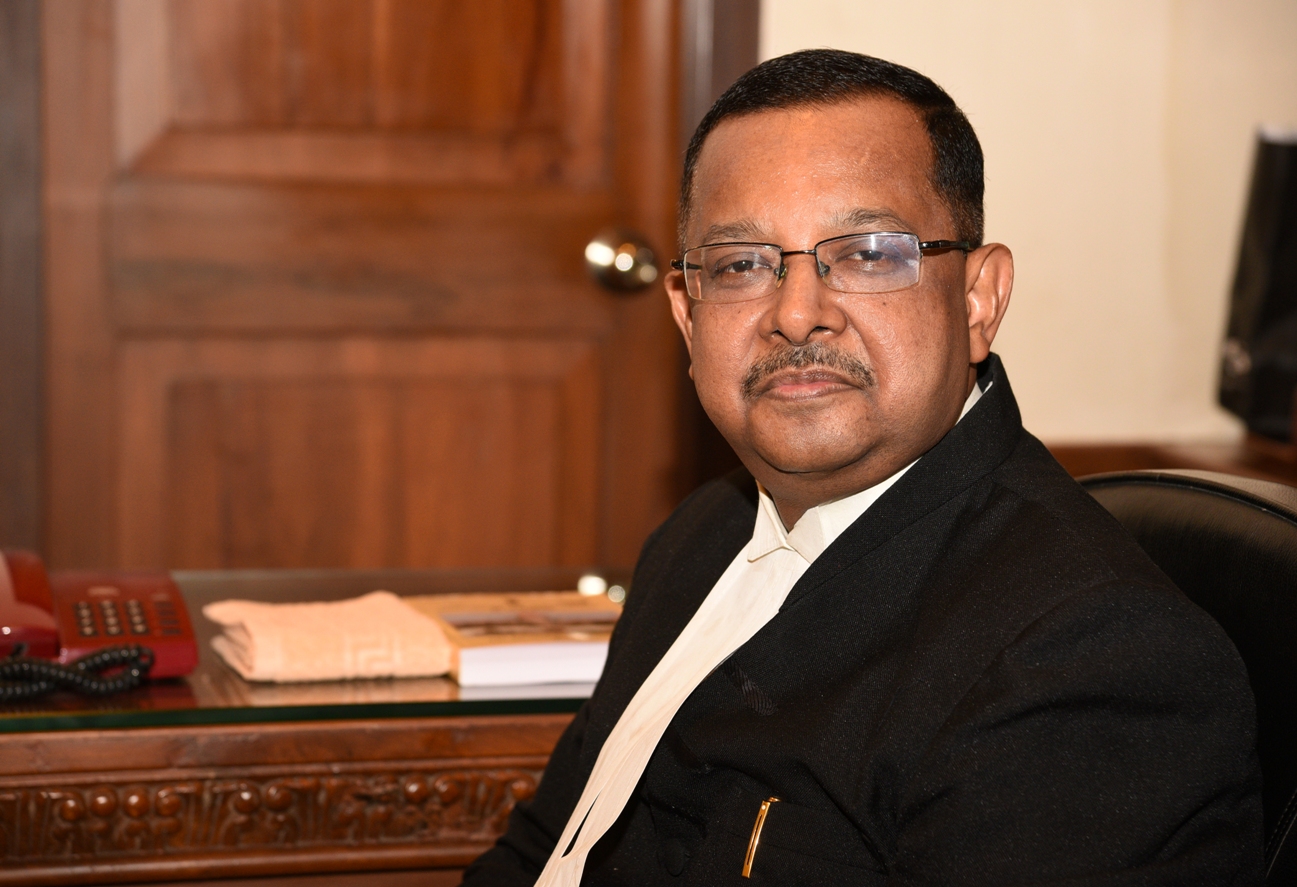
Justice Bhuyan Urges Supreme Court To Include Distinguished Jurists

Supreme Court Collegium Weighs Acting Chief Justice Recommendations

Supreme Court Collegium Approves Multiple High Court Judicial Appointments

Supreme Court Revises Three-Year Judicial Entry Experience Requirement
30 judges appointed to four high courts on Saturday

Supreme Court Creates New Judicial Recruitment Model

Two Years After RG Kar Doctor's Rape-Murder, Case Remains Unresolved

ED widens Chhattisgarh probes with two arrests and searches

Delhi High Court Orders Madhya Pradesh to Pay Advocate Dues

Haryana sanitation workers’ strike puts BJP government under pressure
Orissa High Court Says Brothel Customers Cannot Face Trafficking Charges