2 days ago
Kerala Minister Condemns Calls to Confine Women at Home

An Islamic scholar said women should mostly stay inside their homes and avoid public appearances.
He said this was connected to the practice of purdah.
Kerala Higher Education Minister Roji M John disagreed strongly with those remarks.
He said women had worked and struggled for centuries to gain a place in public life.
Roji also said India’s Constitution gives women equal rights.
He mentioned many women who have contributed to politics, education, science and space exploration.
Other Kerala ministers also said women’s role in society has advanced.
One minister from the Indian Union Muslim League did not comment.
Roji ended his message with the words “SMASH THE PATRIARCHY.”

Higher Education Minister Roji M John criticized remarks calling for women to remain confined to their homes.
Islamic scholar Kanthapuram A P Aboobacker Musliyar said women’s public participation could cause “great destruction” and defended purdah.
Roji said women entered public life through centuries of struggle and that constitutional equality protects their rights.
He cited Kerala women’s-rights movements and women such as Savitribai Phule, Droupadi Murmu and Sunita Williams.
Kerala ministers Ramesh Chennithala and K Muraleedharan supported women’s participation, while K M Shaji declined to comment.
- Who
- Kerala Higher Education Minister Roji M John responded to remarks by Islamic scholar Kanthapuram A P Aboobacker Musliyar; other Kerala ministers also commented.
- What
- Roji condemned calls to confine women to their homes and defended women’s participation in public life.
- Where
- The scholar spoke at a conference in Kochi, Kerala; Roji responded through Facebook.
- When
- Roji issued his Facebook post on Monday, one day after the scholar’s remarks at an Islamic conference.
- Why
- Roji said women had won public rights through long struggles and that constitutional equality applies equally to women.
Support Women’s Public Participation
Restrict Women’s Public Role
Women in public life
Support Women’s Public Participation
Roji M John and Ramesh Chennithala said women’s participation in public life is a legitimate and important social advance.
Restrict Women’s Public Role
Kanthapuram A P Aboobacker Musliyar said women should be confined within their homes and should not make public appearances.
Religious and social change
Support Women’s Public Participation
Roji argued that women reached the public sphere through centuries of struggle and that no one can cancel constitutional equality.
Restrict Women’s Public Role
The scholar invoked purdah and religious prescriptions as reasons for limiting women’s public presence.
Key facts
- Main response
- Roji M John ended his Facebook post with “SMASH THE PATRIARCHY.”
- Scholar’s position
- Kanthapuram A P Aboobacker Musliyar said bringing women onto public platforms would lead to “great destruction” and defended purdah.
- Constitutional argument
- Roji said constitutional equality and rights apply to women regardless of gender, caste or religion.
- Historical references
- Roji cited Kerala’s women’s-rights struggles, including the upper-body-covering movement and the Guruvayur Satyagraha.
- Women cited
- He referred to Savitribai Phule, Indira Gandhi, Sonia Gandhi, Jacinda Ardern, Sunita Williams and Droupadi Murmu.
- Other ministerial responses
- Ramesh Chennithala said he did not agree with opposing women’s public participation, while K Muraleedharan said social advances for women should be recognized.
Quotes

Kanthapuram A P Aboobacker Musliyar
Islamic scholar who made the remarks at a conference in Kochi
“It is precisely recognising that bringing women onto public platforms in this manner causes great destruction that Islam mandated purdah for women. The Holy Quran states that women should live confined within their homes and must not make public appearances.”
 deccanchronicle.com
“It is unfortunate that the regressive idea of sending women back from the stage to the kitchen is being repeated even in the 21st century.”
deccanchronicle.com
Sources
Related news
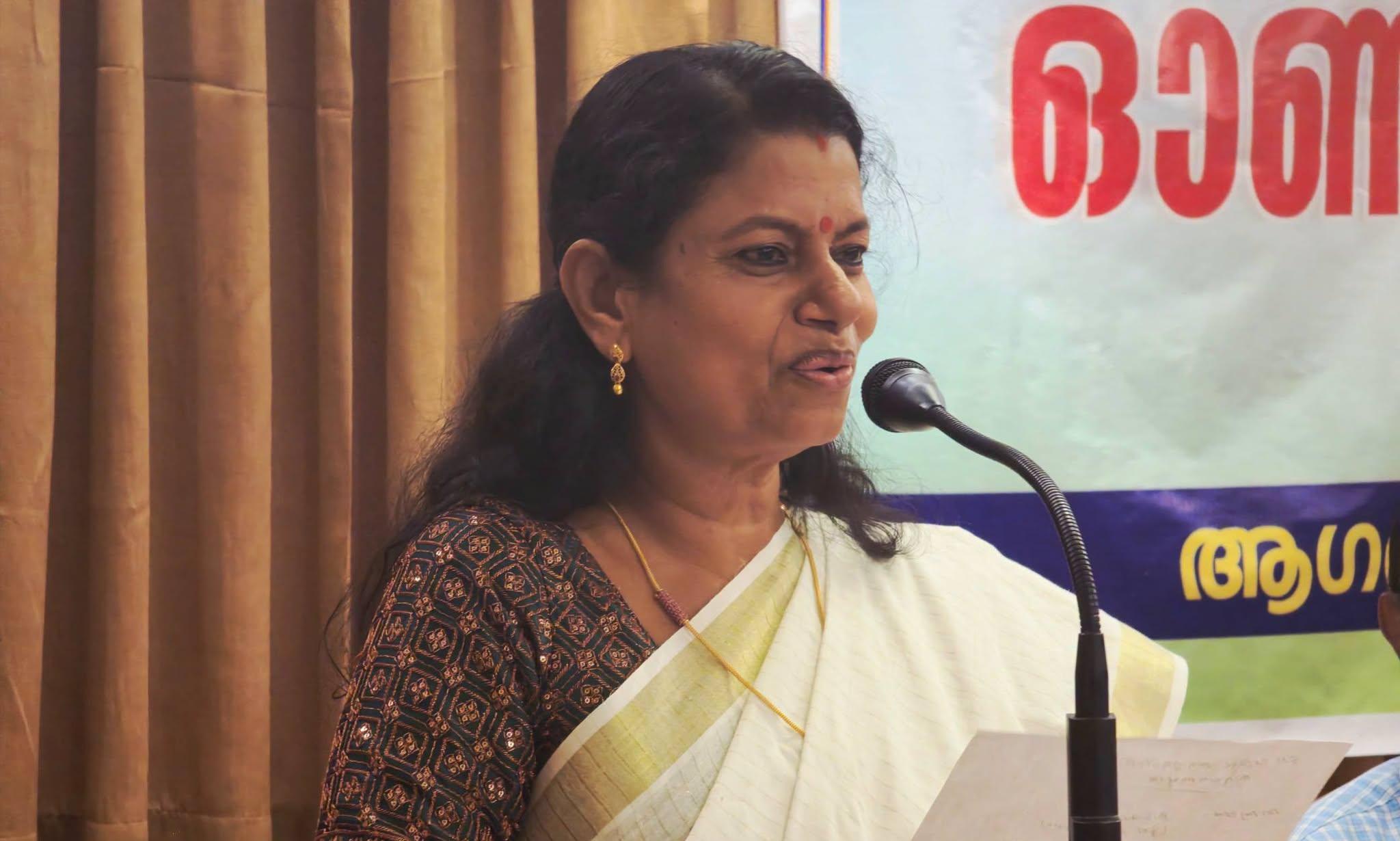
Kerala Leaders Condemn Scholar’s Remarks Restricting Women’s Public Roles
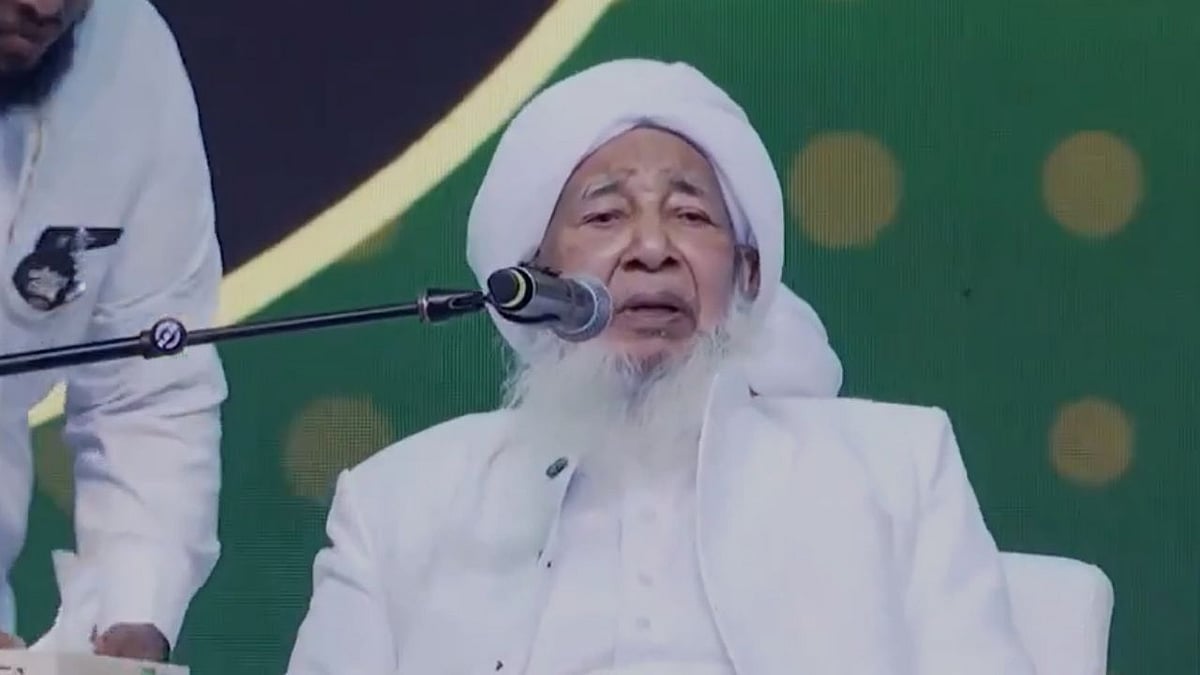
Kerala Cleric’s Remarks on Women Draw Cross-Party Backlash
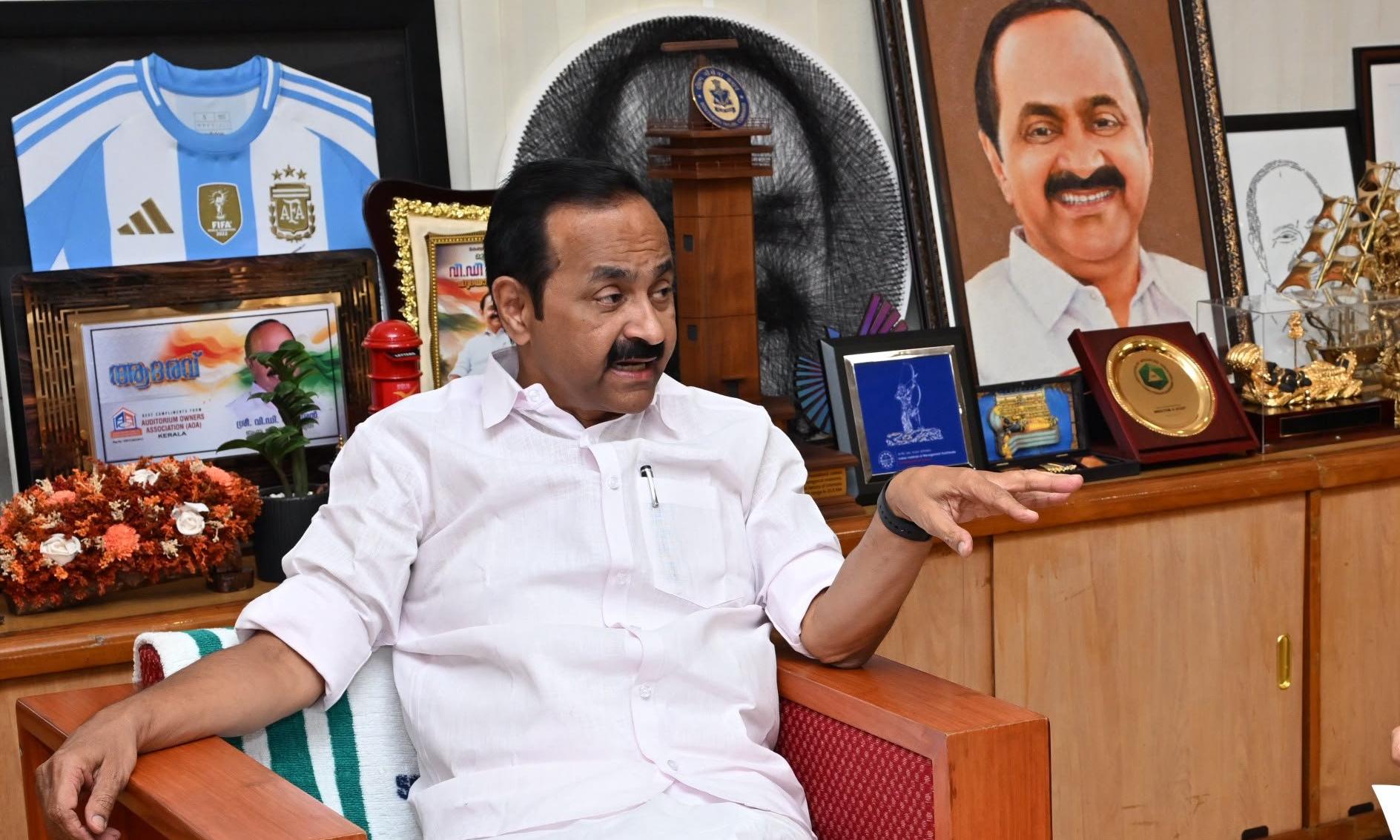
CM Satheesan Rejects Kanthapuram's Call to Confine Women

IUML Defends Kanthapuram Remarks Amid Kerala Women’s Rights Row
President Murmu Meets Over 90 Ganjam Folk Artistes
Farmers Detained in Tiruchirappalli Over Cauvery Water Dispute

Amit Thackeray Booked After Modi Portrait Removed In Pune