1 week ago
SIR Verdict Criticised for Enabling Electoral Exclusion
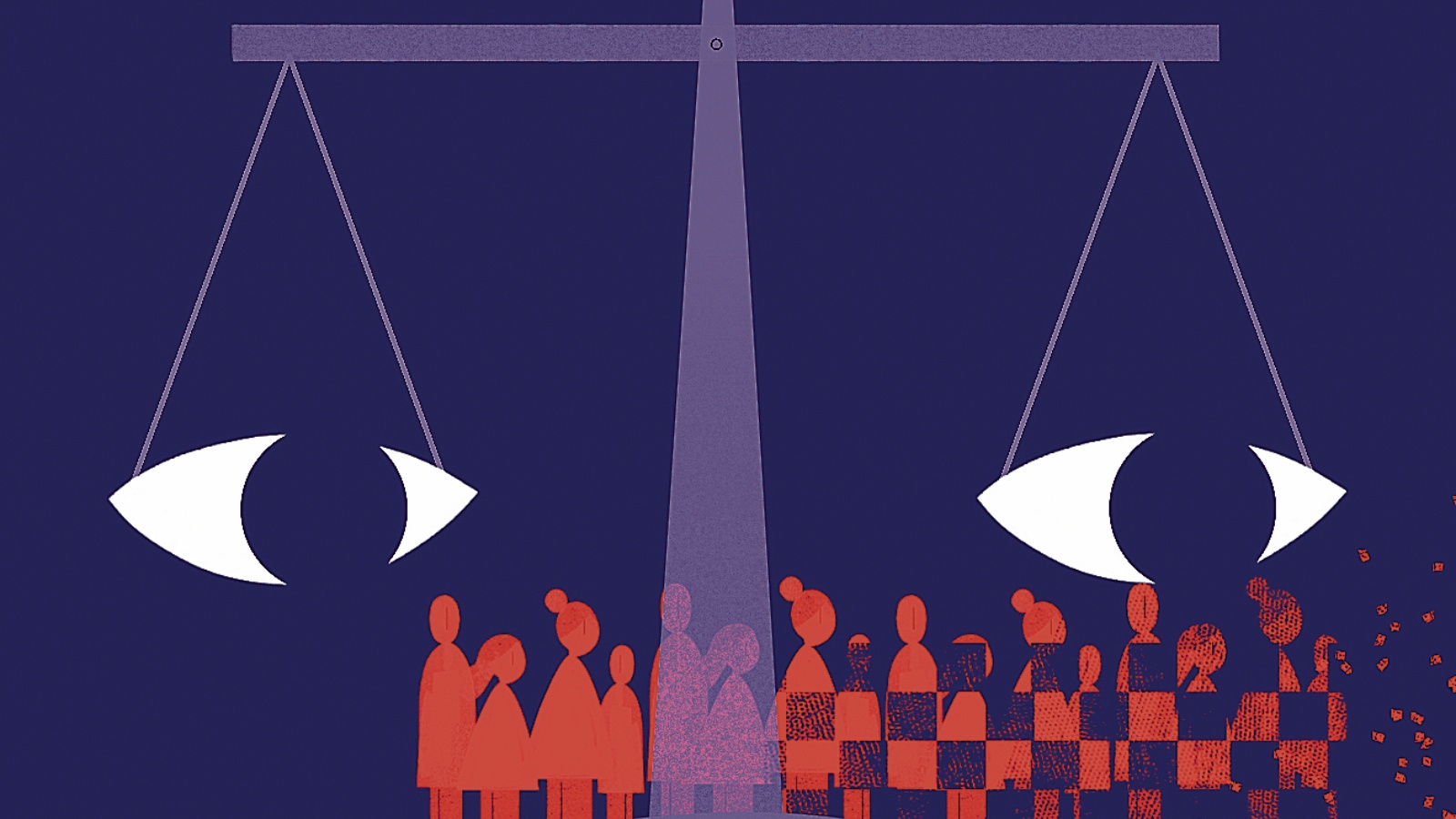
India is checking its voter lists through an exercise called the Special Intensive Revision, or SIR.
Some people are being marked as absent, shifted, dead or duplicate.
This can cause eligible voters to lose their place on the list.
The article criticises the Supreme Court for supporting the Election Commission’s process.
It says the Court trusted the election authority instead of checking its actions more closely.
The article also says voter-list rules can hurt women, poor people and marginalised groups more than others.
People whose names are removed may face extra questions from government authorities.
The writer believes elections are only fair when eligible citizens are included, not accidentally excluded.

The Special Intensive Revision of electoral rolls has reportedly left citizens classified as absent, shifted, dead or duplicate.
The article argues that the Supreme Court’s May 2026 ruling upheld the Election Commission’s authority and procedures for the revision.
Critics say the judgment relied too heavily on institutional trust and failed to prioritise inclusion and democratic representation.
The documentation requirements may disproportionately affect women, poor people and other marginalised citizens, the article contends.
The ruling directs the Election Commission to report deleted names to the Home Ministry, raising concerns about possible further scrutiny and harassment.
- Who
- The Election Commission of India, the Supreme Court of India and citizens affected by the Special Intensive Revision.
- What
- A Special Intensive Revision of electoral rolls and criticism of the Supreme Court ruling that upheld the Election Commission’s authority and procedure.
- Where
- India, including West Bengal, where tribunals are handling cases linked to the revision.
- When
- The ruling was issued in May 2026; the article discusses the ongoing revision and reports cited from August 2026.
- Why
- The revision is intended to examine electoral-roll eligibility, but the article argues that its documentation requirements and deletions may exclude eligible voters and expose them to further scrutiny.
Critics of Judicial Deference
Institutional-Authority View
How closely courts should review the SIR
Critics of Judicial Deference
The article argues that the Supreme Court should have adopted greater scepticism toward the Election Commission and more actively protected citizens’ rights.
Institutional-Authority View
The ruling accepted the Election Commission’s constitutional authority to prepare electoral rolls and found that deletions fell within its stated procedure.
Inclusion versus verification
Critics of Judicial Deference
The article says the Election Commission’s first responsibility should be to include eligible voters and prevent scrutiny from becoming exclusion or harassment.
Institutional-Authority View
The revision is presented as an exercise in examining whether people are genuinely entitled to appear on electoral rolls.
Consequences of deleted names
Critics of Judicial Deference
Critics warn that reporting deleted names to the Home Ministry could push people into suspicion, harassment and uncertainty beyond the loss of voting rights.
Institutional-Authority View
The ruling permits further adjudication of deleted voters’ claims through reporting to the Home Ministry.
Key facts
- Exercise
- Special Intensive Revision (SIR) of electoral rolls
- Court case
- ADR & Others vs ECI & Others
- Court ruling
- The Supreme Court upheld the Election Commission’s power to conduct the SIR and expressed satisfaction with its procedure.
- Reported classifications
- Citizens have reportedly been listed as absent, shifted, dead or duplicate.
- Vulnerable groups identified
- The article says women, poor people and marginalised citizens may be particularly affected by documentation requirements.
- Further reporting
- The ruling directs the Election Commission to report deleted names to the Home Ministry for further adjudication.
- West Bengal impact
- Tribunals in West Bengal are reportedly struggling with cases arising from the SIR.
Sources
Related news
Electoral Roll Purge Draws Warning Over India’s Voting Rights
SIR Citizenship Check Threatens India's Secular Democracy, Analysts Warn

SIR Citizenship Verification Must Balance Electoral Integrity and Fairness

Delhi High Court Weighs Homeless Inclusion in Electoral Roll Revision

PUCL Urges CJI Action Over Rajasthan High Court Allegations

Supreme Court Questions IPS Deputation for CAPF Leadership Positions
Supreme Court Quashes 20-Year Conviction, Reaffirms Juvenile Legal Protections
Two Years After RG Kar Doctor's Rape-Murder, Case Remains Unresolved

ED widens Chhattisgarh probes with two arrests and searches