3 weeks ago
Study urges Bihar to revoke failed alcohol ban

Some smart researchers studied what happened in a big state in India called Bihar.
In 2016, the government there stopped everyone from buying alcohol.
They did this because they hoped it would stop bad things like violence against women and help families save money.
The researchers studied the results for many years.
They found that the ban did not make crimes against women go down; actually, the number went up.
They also found that people started using illegal alcohol and other drugs instead, and that caused more crime and corruption.
The government also lost a lot of money because it used to collect taxes on alcohol before the ban.
The researchers say the best thing to do is end the ban and bring back the alcohol tax.
That could give the state more money and reduce what it spends on catching smugglers.
They also say helping Bihar grow is very important for all of India to become a rich and developed country by 2047.

An NCAER research paper recommends Bihar revoke its alcohol ban, saying it failed to reduce violence against women.
Total reported crimes against women increased over the post-2016 period, contradicting the ban's primary motivation.
The ban coincided with a rise in illicit liquor trade, crime, corruption, and use of alternative intoxicants such as illicit drugs.
Reinstating the liquor excise tax to pre-ban levels could raise Bihar's own revenues by 14-15 per cent and cut enforcement spending.
Bihar, India's second most populous and poorest state, is central to the country's 'Viksit Bharat' development ambition.
- Who
- Economists led by Ratna Sahay at the National Council of Applied Economic Research (NCAER).
- What
- A research paper found the alcohol ban failed to reduce violence against women and recommends revoking it and restoring the liquor excise tax.
- Where
- Bihar, India.
- When
- The ban was introduced in April 2016; the paper assesses the post-2016 period.
- Why
- Because reported crimes against women increased after prohibition, illicit alcohol and drug use rose, and the state lost excise revenue while spending more on enforcement.
Ban Supporters
Ban Critics
Effectiveness of Prohibition
Ban Supporters
Women's groups and activists strongly supported the ban, arguing it would decrease alcohol-related abuse and keep household resources for productive activities.
Ban Critics
The NCAER paper says available evidence shows reported crimes against women increased after 2016 and the ban did not serve its intended purpose.
Economic Costs vs. Social Benefits
Ban Supporters
Supporters saw prohibition as worth lost alcohol tax revenue because it would curb domestic violence and improve household welfare.
Ban Critics
The paper highlights significant revenue loss and higher enforcement spending, and argues reintroducing the excise tax would raise state revenues by 14-15 per cent.
Key facts
- Prohibition start
- April 2016
- Excise duty share of state revenue before ban
- 14 per cent in the three years leading up to the ban
- Projected revenue gain from tax restoration
- 14-15 per cent increase in state's own revenues
- Reported crimes against women after 2016
- Increased over the post-2016 period
- Bihar's projected population
- 13.2 crore (132 million) in 2026
- Bihar's national standing
- Second most populous and poorest state in India
- Paper title
- 'Macro Perspective of Bihar's Development Achievements, Unfinished Agenda, and the Way Forward'
- Lead author
- Ratna Sahay
- Presented at
- India Policy Forum
Quotes
Authors of the NCAER study
Authors of the NCAER study
“"We now have sufficient data and information to assess if the ban was effective. Reported crimes against women in Bihar have not declined following the introduction of prohibition. Instead, total reported crimes against women increased over the post-2016 period."”
 rediff.com
“"These reforms are essential for raising productivity, accelerating structural transformation, and creating high‑quality jobs for its young population."”
rediff.com
Sources
Related news
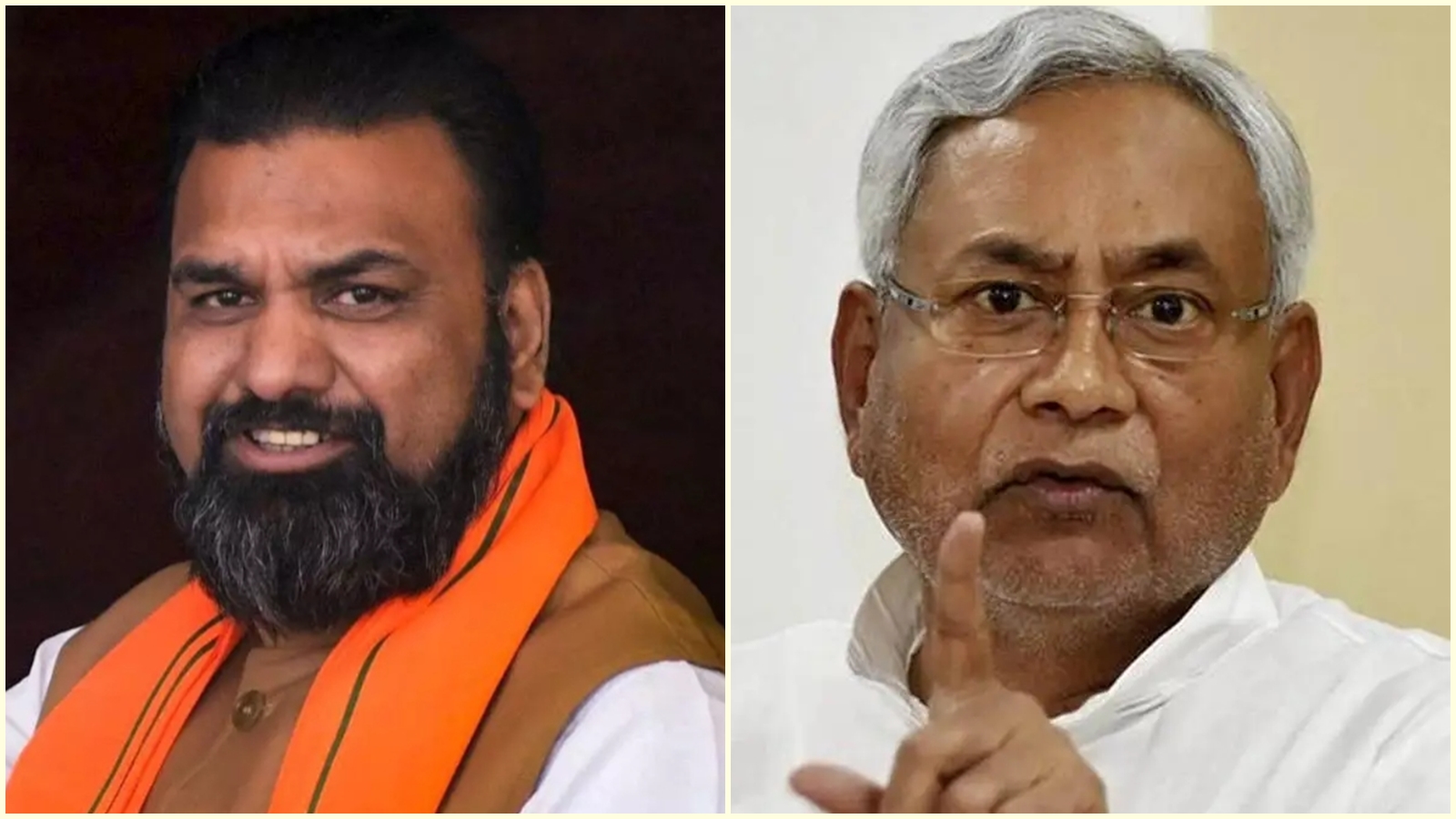
Bihar liquor ban report sparks political debate over decade-old prohibition

JD(U) rules out reviewing Bihar's liquor prohibition law

JD(U) Rejects NCAER Findings, Defends Bihar Liquor Ban
Bihar's prohibition law failed objectives, needs review: Chirag Paswan

Bihar Liquor Ban: JD(U) Rejects Review, Manjhi Backs Gujarat Model
India’s Gig Economy Growth Leaves Women Behind, Study Finds
Young Indians Demand Good Jobs as Aspirations Meet Reality
Azim Premji University Announces Lecture on India’s Middle Classes

Rs 18.66 lakh crore infrastructure projects approved under PM GatiShakti