3 weeks ago
JD(U) Rejects NCAER Findings, Defends Bihar Liquor Ban

In Bihar, a state in India, selling and drinking alcohol has been banned since 2016.
A big research group called NCAER studied how the ban is working.
The ruling political party, JD(U), disagrees with the study and says the researchers twisted the numbers.
The party believes the ban has been good for people, like making homes safer because there is less fighting.
It says the money the state loses by not selling alcohol is very small compared to the good the ban does.
Some JD(U) leaders admit that a complete ban is very hard, and no country has fully succeeded at it.
They say the ban works about 70 to 75 percent in Bihar.
These leaders think the rules should be looked at again, but alcohol should still not be completely free.
Another political group, HAM, also wants the government to review the law.
The government, however, says the ban shows the will of the people and should stay.

Bihar's ruling JD(U) dismissed NCAER's findings on the state's liquor prohibition as "data manipulation".
JD(U) argued the ban's social gains, including a significant decline in domestic violence, outweigh lost excise revenue.
The prohibition was imposed on April 5, 2016, by Bihar's former Mahagathbandhan government led by Nitish Kumar.
JD(U) MP Devesh Chandra Thakur said the ban is about 70-75% effective and should be reviewed while continuing with restrictions.
Hindustani Awam Morcha, led by former chief minister Jitan Ram Manjhi, has long pressed the government to review the prohibition law.
- Who
- Bihar's ruling Janata Dal (United), with chief spokesperson Neeraj Kumar defending the ban and MP Devesh Chandra Thakur calling for a review; Hindustani Awam Morcha leader Jitan Ram Manjhi also seeks review.
- What
- JD(U) rejected NCAER's research on Bihar's prohibition policy as "data manipulation" and defended the liquor ban as socially beneficial.
- Where
- Bihar, India (statements came from Patna and Delhi).
- When
- Wednesday, August 12, 2026; the ban itself was imposed on April 5, 2016.
- Why
- JD(U) argues the ban's social gains, such as reduced domestic violence, outweigh the modest excise revenue the state forgoes.
Ban Defenders
Review Advocates
Value of NCAER findings
Ban Defenders
JD(U) says NCAER's research amounts to 'data manipulation' and fails to reflect the ban's positive social impact.
Review Advocates
NCAER is a 'big and old institution', so its assessment raises questions the ruling party should answer rather than dismiss.
Future of the liquor ban
Ban Defenders
Prohibition has achieved its core objective and represents the 'resolve of the people of Bihar'; repeal would face opposition.
Review Advocates
No country has enforced a 100% liquor ban, so the policy should be reviewed and adjusted, with restrictions retained rather than full freedom.
Social gains vs revenue losses
Ban Defenders
Social transformation, such as less domestic violence, matters far more than the small revenue that excise (just over 3%) once contributed.
Review Advocates
Revenue losses and the ban's limits deserve serious assessment alongside social claims, which is why a review has long been demanded.
Key facts
- Ban imposed on
- April 5, 2016
- Ban imposed by
- Former Mahagathbandhan government led by Nitish Kumar
- Bihar state budget
- Rs 3,16,895 crore
- Excise share of state revenue
- Slightly over 3%
- Estimated ban effectiveness
- 70-75% (per JD(U) MP Devesh Chandra Thakur)
- Ruling party stance on NCAER
- Findings dismissed as 'data manipulation'
- Party demanding review
- Hindustani Awam Morcha (HAM), led by Jitan Ram Manjhi
Quotes

Devesh Chandra Thakur
JD(U) Member of Parliament
“"NCAER is a big and old institution, the National Council of Applied Economic Research. We do not know by what parameters or on what scale they conducted this assessment. But as a citizen, and as a citizen of Bihar, and more importantly…"”
 freepressjournal.in
“"Government considers the social transformation following prohibition far more important than the relatively small revenue generated from liquor."”
freepressjournal.in
Sources
Related news

JD(U) rules out reviewing Bihar's liquor prohibition law
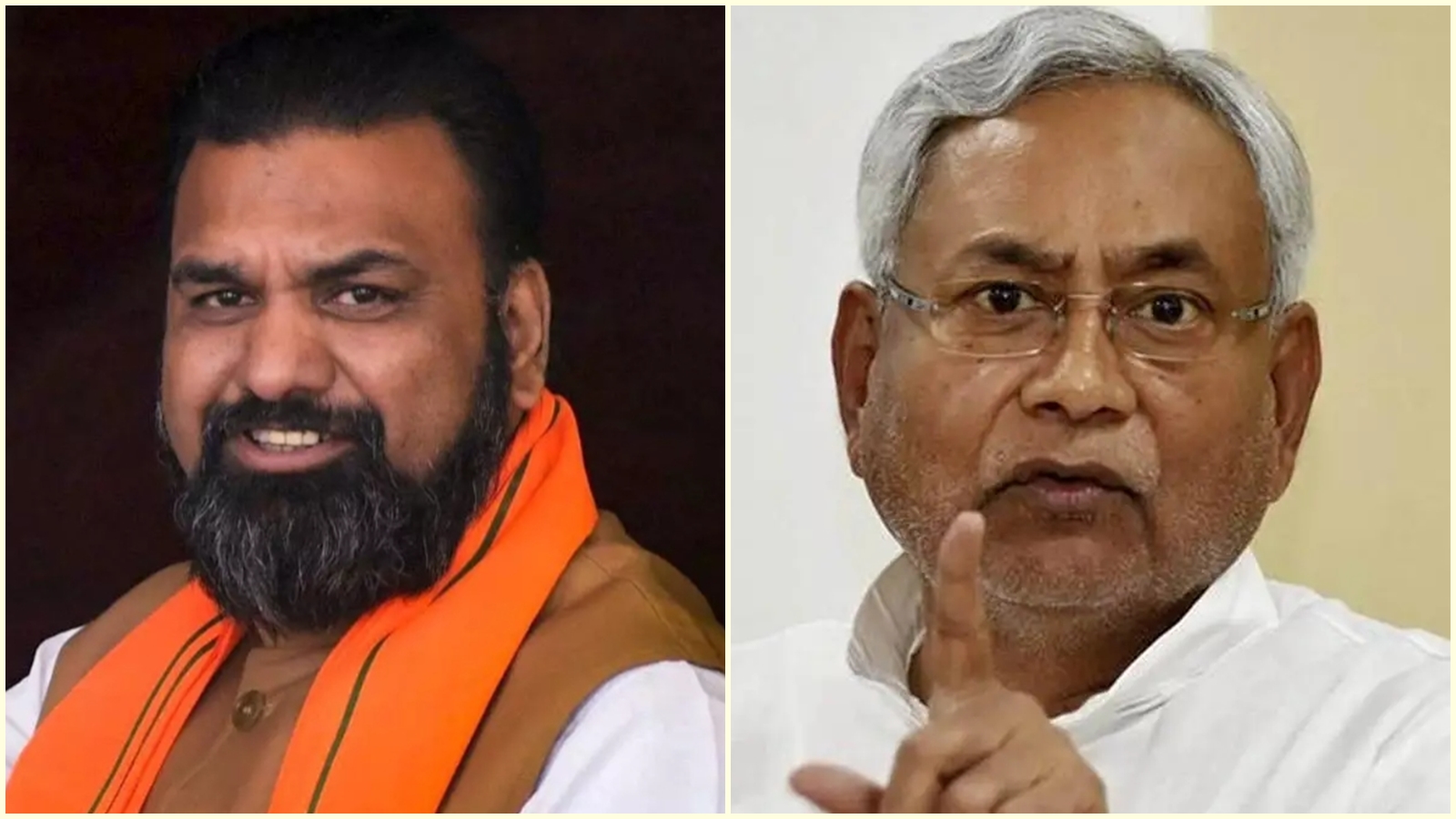
Bihar liquor ban report sparks political debate over decade-old prohibition

Study urges Bihar to revoke failed alcohol ban

Bihar Liquor Ban: JD(U) Rejects Review, Manjhi Backs Gujarat Model
Bihar's prohibition law failed objectives, needs review: Chirag Paswan
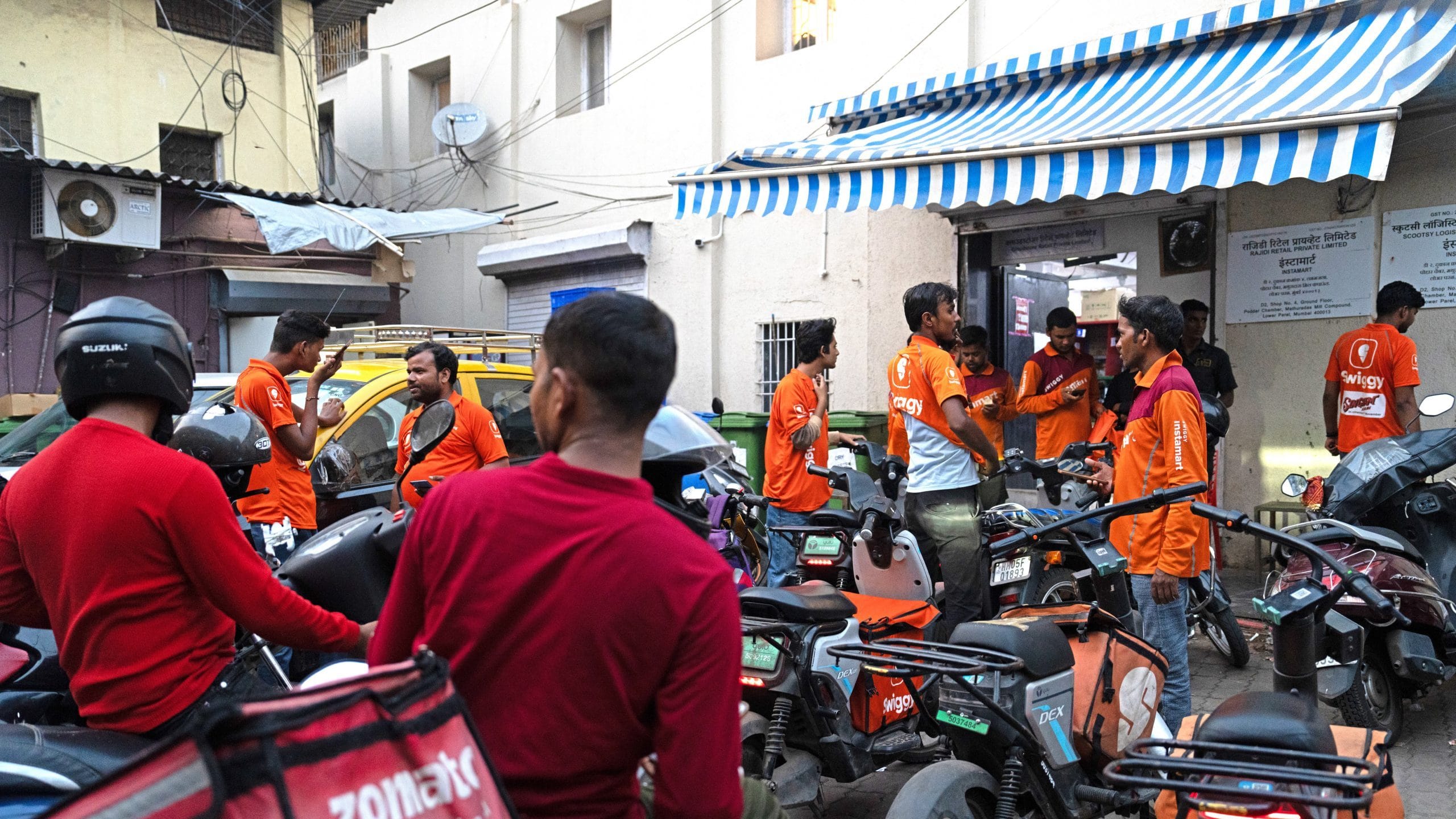
India’s Gig Economy Growth Leaves Women Behind, Study Finds
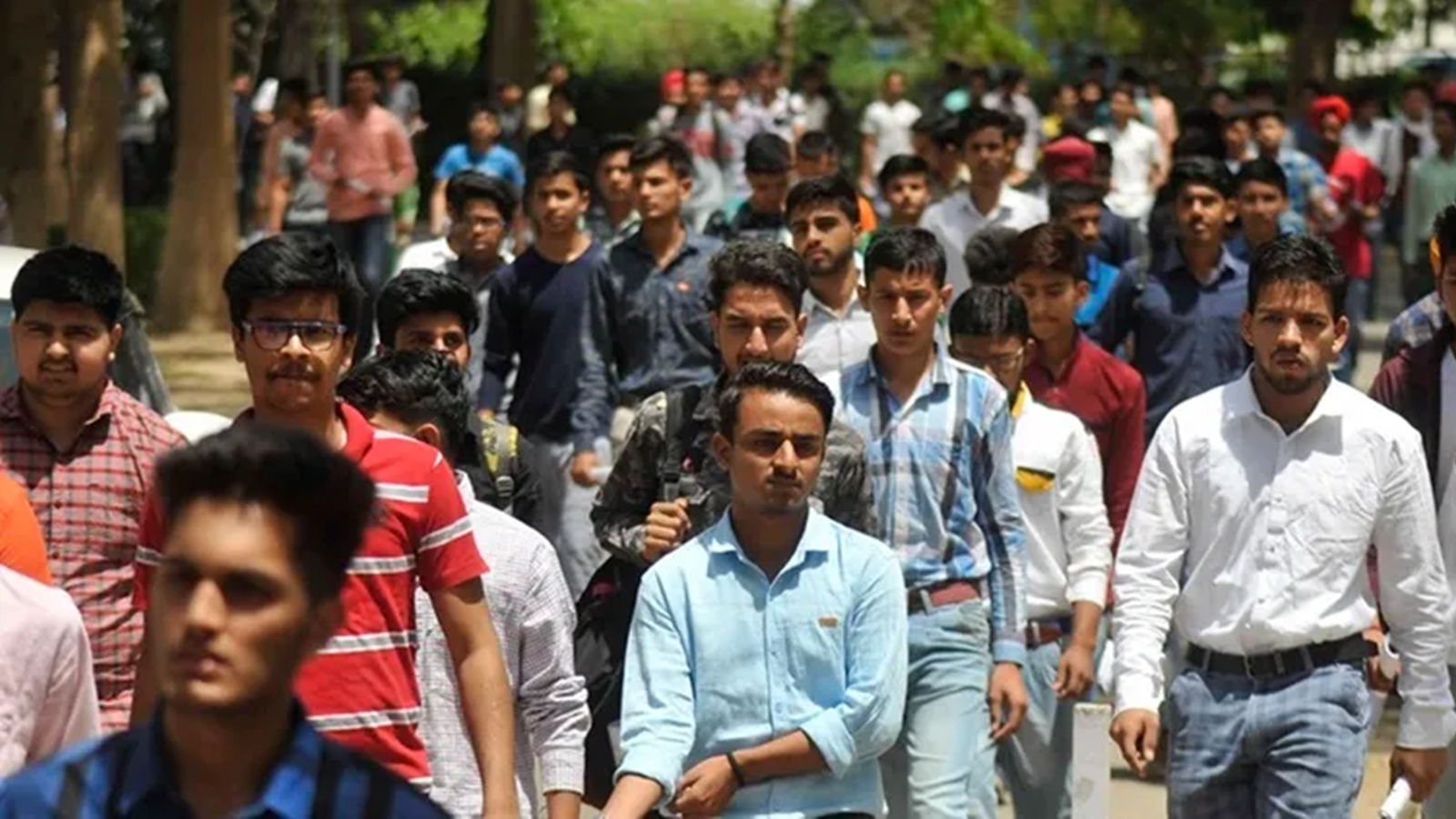
Young Indians Demand Good Jobs as Aspirations Meet Reality
Azim Premji University Announces Lecture on India’s Middle Classes

Rs 18.66 lakh crore infrastructure projects approved under PM GatiShakti