2 weeks ago
Iran, Oman Finalise Hormuz Transit Deal Amid US Threats
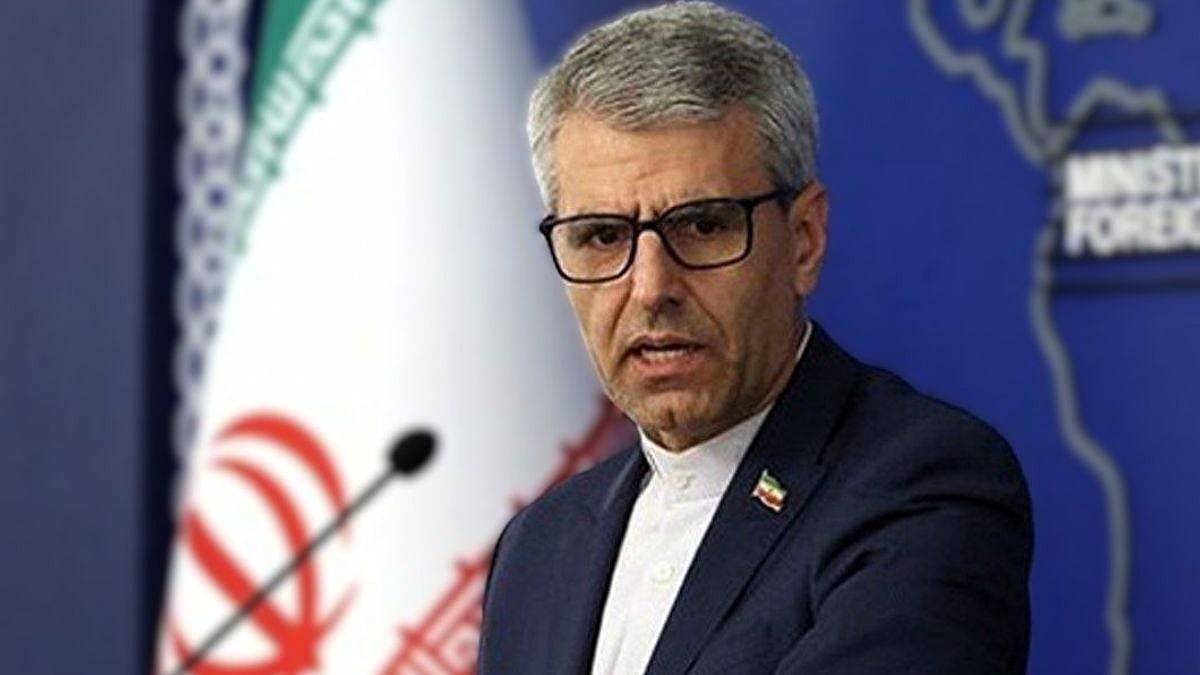
Iran and Oman are working together to make new paths for ships in the Strait of Hormuz, a very important waterway.
The old paths do not work anymore, so ships need new ones.
Iran's foreign minister says these talks are separate from reopening the strait.
He says a temporary path is being designed that could become permanent later.
Some reports say the new path would let ships travel again, with no fees for a while.
Iran says the strait will only reopen if the United States meets certain conditions.
President Trump says the US has 'total control' over the strait and might keep it.
He also threatened to bomb Oman if it gets in the way.
Iranian officials say the strait cannot be taken by tweets or force.
They say the strait has been Iranian and will stay Iranian.

Iran and Oman reached an understanding on a transit route map for the Strait of Hormuz and are finalising a joint statement.
Foreign Minister Abbas Araghchi said the Oman talks are 'completely separate' from reopening the strait, which depends on US meeting conditions.
Iran closed the strait after Israel and the US attacked the country on Feb 28; about one-fifth of the world's traded oil passed through it before the war.
President Trump claimed 'total control' over the strait and threatened to bomb Oman if it 'gets in the way.'
Iranian officials rejected Trump's threats, saying the strait 'has been Iranian, is Iranian, and will remain Iranian.'
- Who
- Iranian Foreign Minister Abbas Araghchi, Foreign Ministry spokesperson Esmail Baghaei, Deputy Foreign Minister Kazem Gharibabadi, parliament official Ebrahim Azizi, and US President Donald Trump
- What
- Iran and Oman reached an understanding on a transit route map for the Strait of Hormuz and are finalising a joint statement; reopening the strait is a separate issue depending on US conditions
- Where
- Strait of Hormuz, involving Iran and Oman
- When
- Ongoing negotiations; the strait was closed after Israel and the US attacked Iran on Feb 28
- Why
- Previous navigation routes are no longer operational, and reopening depends on conditions the US must meet
Iran's Position
US Position
Control of the Strait of Hormuz
Iran's Position
Iran asserts the strait 'has been Iranian, is Iranian, and will remain Iranian' and can only be closed or opened under Iran's command.
US Position
President Trump claims the US has 'total control' over the strait and says he will keep it, calling the naval blockade 'A WALL OF STEEL.'
Reopening the Strait
Iran's Position
Iran says reopening depends on the US meeting certain conditions and is separate from the Oman talks on maritime routes.
US Position
The US sought an acceptable agreement on reopening before ending its blockade; Trump dismissed the 60-day deadline and said there is no timeline.
Oman's Role
Iran's Position
Iran is negotiating with Oman to finalise a transit route package of map plus joint statement.
US Position
Trump threatened to bomb Oman if it 'gets in the way,' repeating a May threat.
Key facts
- Key Figures
- Abbas Araghchi, Esmail Baghaei
- Negotiating Partner
- Oman
- Location
- Strait of Hormuz
- Status
- Understanding reached on transit route map; joint statement being finalised
- Oil Share
- Roughly one-fifth of the world's traded oil supplies
- Closure
- After Israel and US attacked Iran on Feb 28
- Reopening Condition
- US must meet certain conditions
- US Threat
- Trump threatened to bomb Oman if it 'gets in the way'
Quotes
Seyyed Abbas Araghchi
Iranian Foreign Minister
“"Our negotiations with Oman are ongoing. That is a completely separate matter. It is a technical issue concerning the designation of maritime routes in the Strait of Hormuz for the passage of ships."”
 freepressjournal.in
“"The Strait of Hormuz cannot be seized by tweet, nor by aircraft carrier, nor by issuing an order, nor by an election speech. Iran neither fears threats nor cowers before displays of power."”
freepressjournal.in
Sources
Related news
Iran Says Strait of Hormuz Deal With Oman Being Finalised

Iran Says Hormuz Deal Close, Reopening Depends on US Conditions
Hormuz Deal with Oman Close, Reopening Tied to US Compensation

Iran-Oman Hormuz Deal in Final Stage; Trump Says Announcement Near
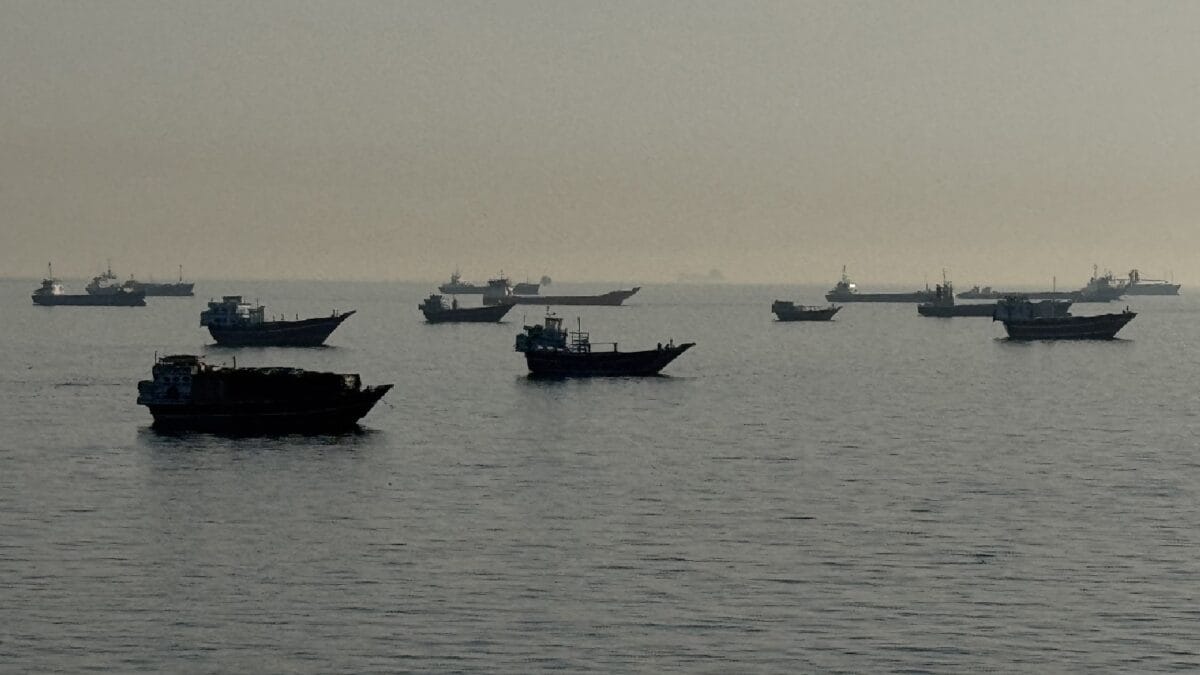
Iran-Oman strike landmark deal to secure Strait of Hormuz
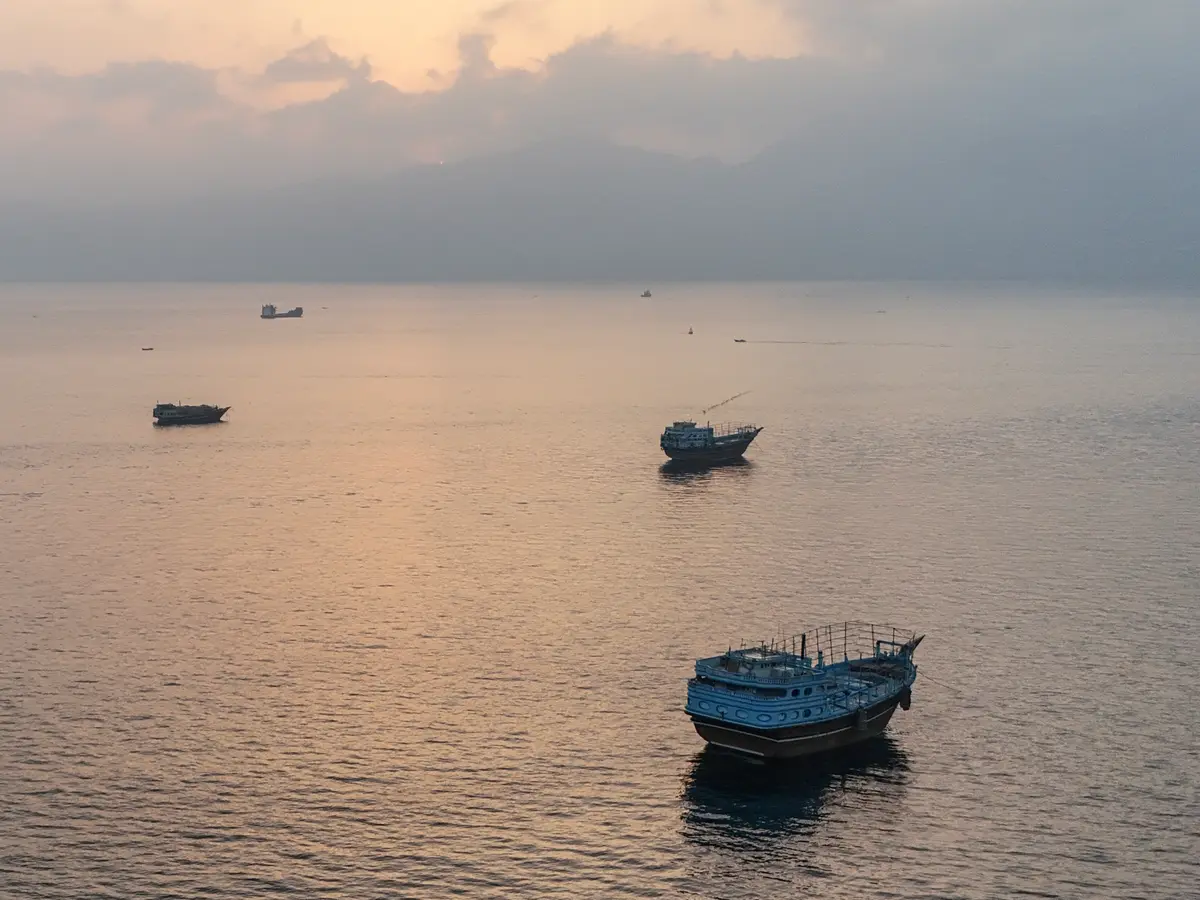
Iran, Oman Reach Hormuz Revenue Accord Amid US Opposition

Chevron Plans $7 Billion Venezuela Expansion Amid U.S. Oil Push
Saudi Arabia Says Iranian Tanker Attack Killed Two Sailors
U.S.-Iran Exchange Escalates Across Middle East, Markets Slide
Trump Aides Seek Quiet Iran War Before Midterm Elections
US Warns Middle East Travelers Amid Escalating Iran-Linked Tensions