1 week ago
Iran, Oman Reach Hormuz Revenue Accord Amid US Opposition
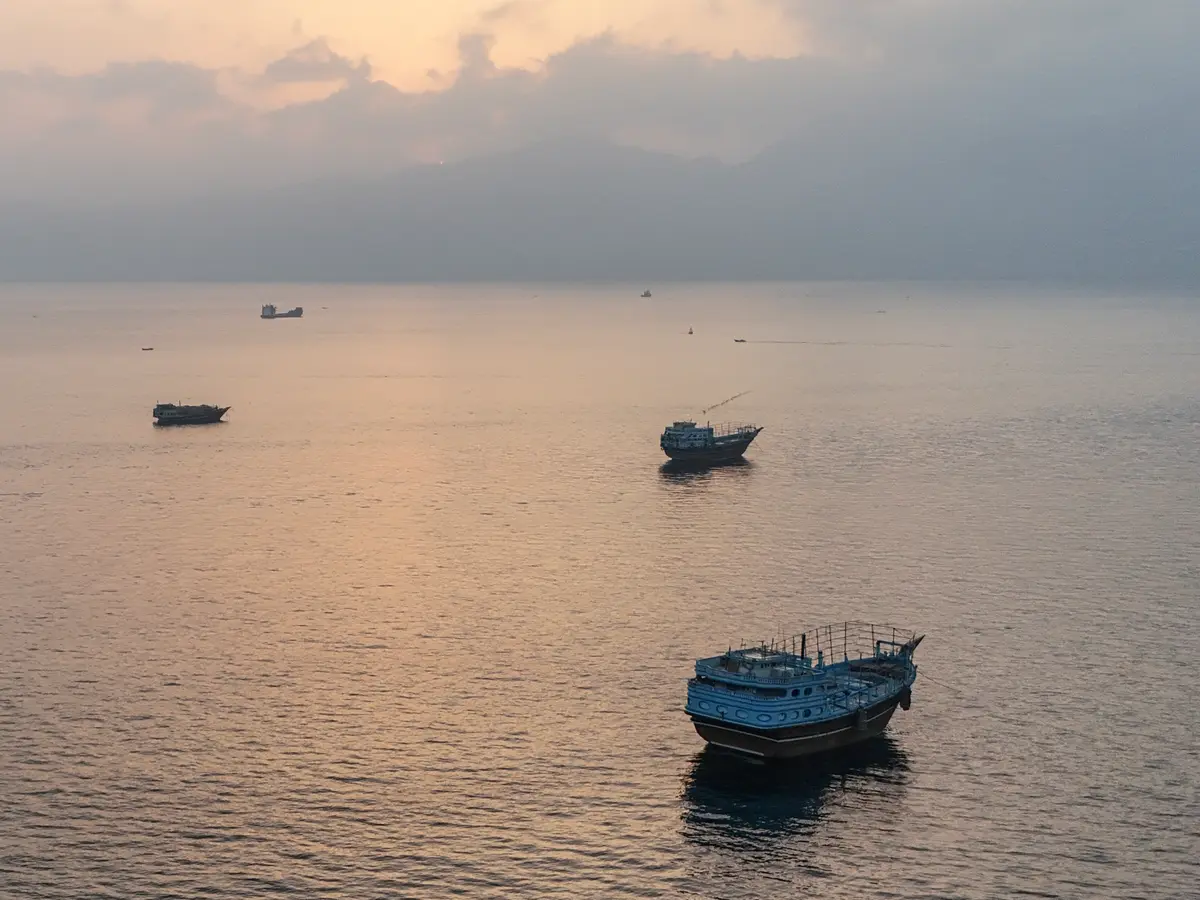
Iran and Oman are discussing how ships should travel through the Strait of Hormuz.
Iranian officials say the two countries agreed in principle on how to divide the waterway and money from ship transit.
The proposed routes would use Iranian waters for ships entering the Persian Gulf and both Iranian and Omani waters for ships leaving it.
Iran says military ships would not be allowed through if the plan becomes binding.
The countries also discussed creating a temporary safe route and removing mines.
Iran says the United States is delaying the agreement by opposing parts of it.
Iran has said the strait will not fully reopen unless the United States accepts its conditions.
The reported agreement still needs further approval and is not yet binding.

Iranian officials say Iran and Oman agreed on sharing Strait of Hormuz waters and transit revenues.
The reported framework would route inbound traffic through Iranian waters and outbound traffic through Iranian and Omani waters.
Iran says the proposed binding arrangement would exclude military vessels, though the framework is not yet final.
Iran and Oman discussed a temporary transit corridor and clearing mines to restore safer navigation.
Iran blamed the United States for delaying the deal, while Washington opposed parts of the arrangement and passage fees.
- Who
- Iran and Oman are negotiating the management of the Strait of Hormuz; Iranian officials and the United States are involved in the dispute.
- What
- The countries reportedly reached an understanding on waterway shares, transit revenues and ship-traffic management, while also discussing a temporary corridor and mine clearance.
- Where
- The Strait of Hormuz, between Iran and Oman at the entrance to the Persian Gulf.
- When
- The revenue-sharing announcement was made on Wednesday, August 26, 2026, after high-level Iran-Oman talks on Tuesday; negotiations had continued for about a month.
- Why
- Iran and Oman are seeking arrangements to manage shipping and restore navigation, while Iran has linked reopening the waterway to United States acceptance of its conditions.
Iran and Oman
United States
Waterway management
Iran and Oman
Iranian officials say Iran and Oman reached acceptable agreements on their respective shares of the waters, revenues and ship routes.
United States
The United States reportedly opposed parts of the arrangement, including joint Iranian-Omani management of the exit route.
Conditions for reopening
Iran and Oman
Iran says the strait can reopen within the framework only if the United States stops obstructing the deal and accepts Tehran's conditions, including sanctions relief, ending a naval blockade and unfreezing Iranian assets.
United States
The articles say Washington has not indicated that it will accept Iran's demands.
Transit fees
Iran and Oman
Iran has sought payments from ships using the waterway and described some payments as fees for services rather than formal passage charges.
United States
The United States rejected Iran's demand that ships pay for passage through the Strait of Hormuz.
Key facts
- Participants
- Iran and Oman
- Waterway
- Strait of Hormuz
- Revenue arrangement
- Iranian officials said the countries agreed on their respective shares of transit revenues.
- Proposed traffic pattern
- Inbound traffic would pass entirely through Iranian waters; outbound traffic would pass through Iranian and Omani waters.
- Military vessels
- Iranian Deputy Foreign Minister Kazem Gharibabadi said no military vessel would be permitted to pass if the understanding became binding.
- Navigation measures
- Iran and Oman discussed a temporary transit corridor and clearing mines from the waterway.
- Agreement status
- Iranian officials described an acceptable framework, but the joint statement referred to an interim framework and the arrangement remains subject to approval.
- Reported US objections
- The United States opposed parts of the evolving arrangement, including joint management of the exit route and Iran's demand for passage payments.
Quotes

Masoud Pezeshkian
President of Iran
“If the United States stops obstructing and returns to the agreement, we can open the Strait of Hormuz within the framework of the agreement reached… If the United States does not accept our conditions, the Strait of Hormuz will not be opened under any circumstances”
 livemint.com
 news18.com
“The Strait of Hormuz belongs to Iran and the country of Oman… We have been in negotiations with Oman for about a month, and we have reached results that are acceptable to both sides”
livemint.com
news18.com

Kazem Gharibabadi
Iranian Deputy Foreign Minister who described the proposed Strait of Hormuz framework on state television
“If the understanding becomes binding, no military vessel will be permitted to pass through the Strait of Hormuz. No military vessel at all.”
 telegraphindia.com
Sources
Iran reaches Hormuz revenue sharing deal with Oman, Pezeshkian says US sanctions cannot force Tehran
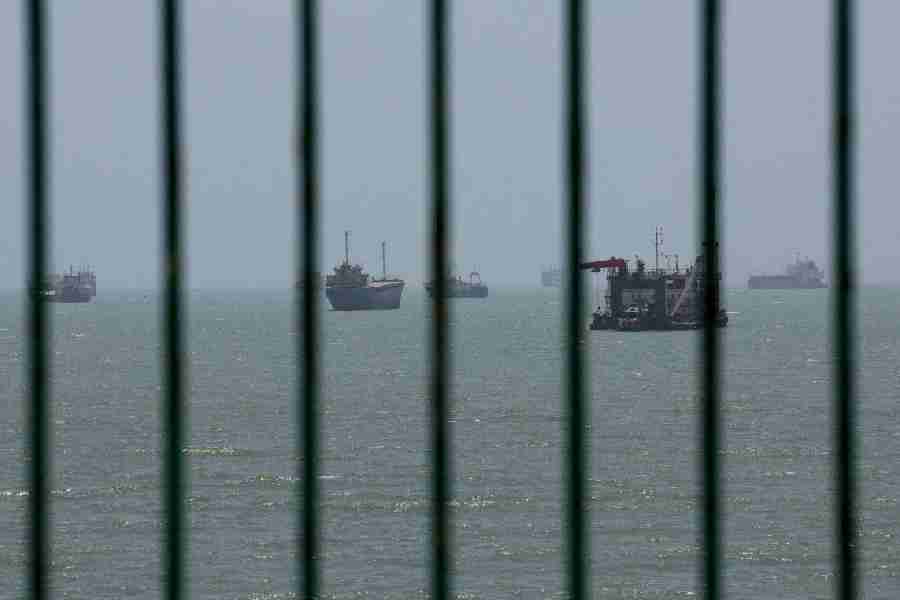
Iran, Oman reach deal on Strait of Hormuz share, revenues; United States blamed for talks delay - Telegraph India

Iran, Oman strike Hormuz revenue deal; Tehran warns US must meet demands to reopen waterway
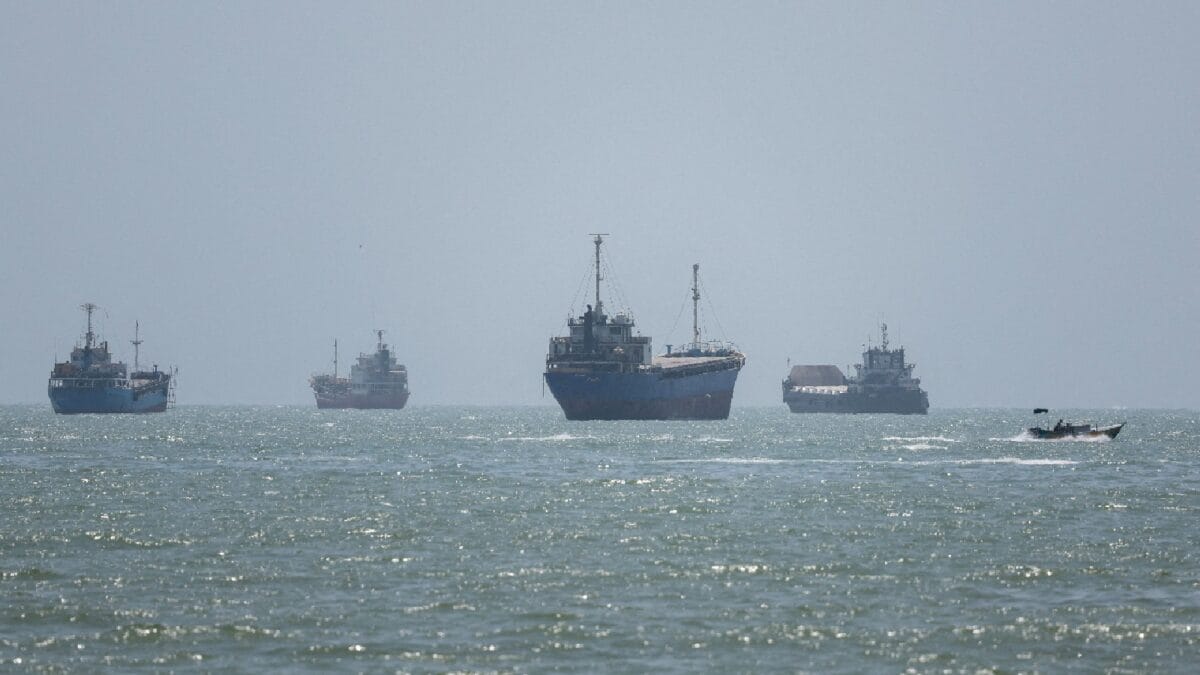
Iran Guards Say Iran, Oman Reached Accord To Share Transit Revenues From Ships Crossing Hormuz
Related news
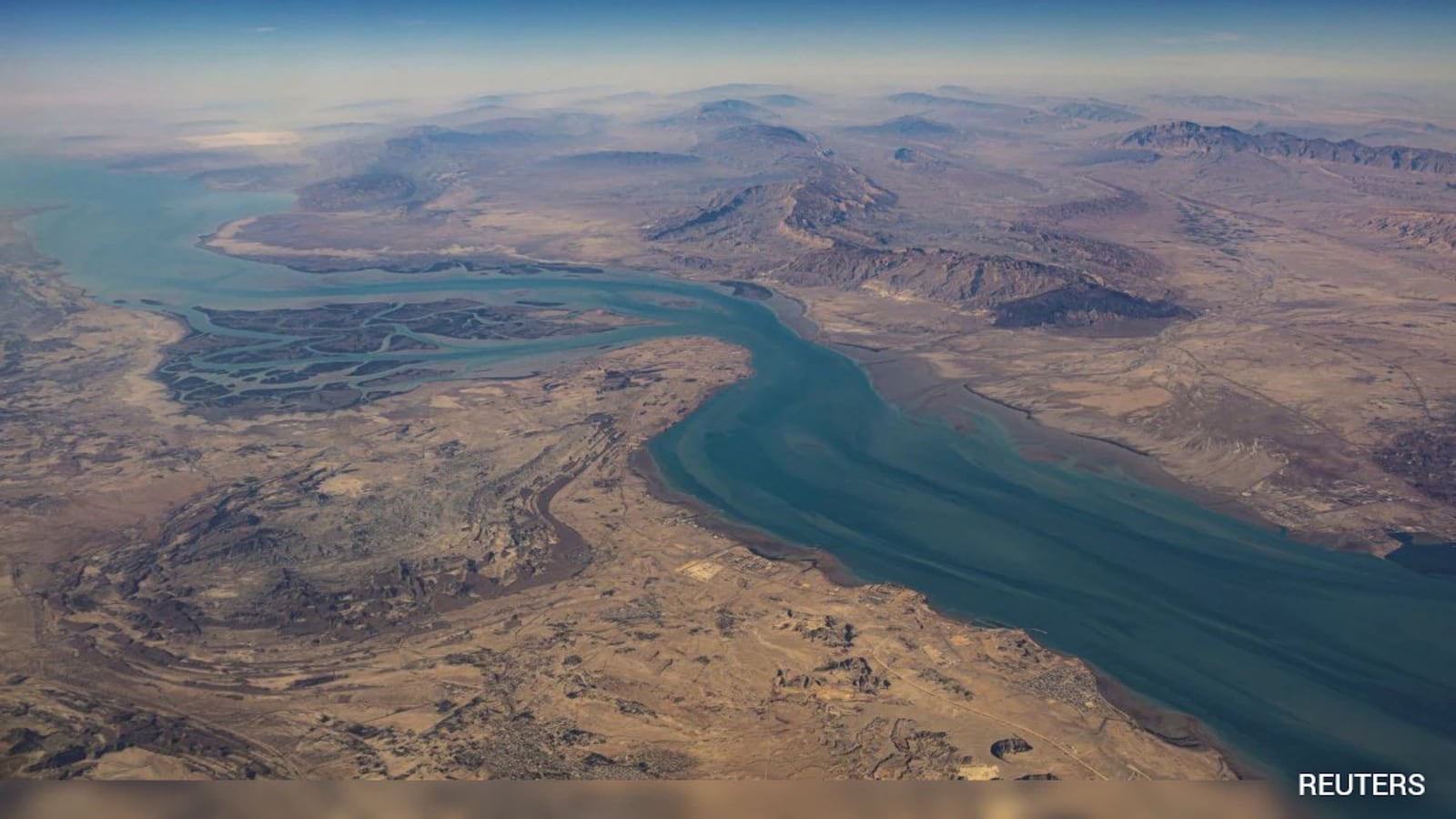
Iran and Oman Report Progress Toward Strait of Hormuz Accord

Iran-Oman Hormuz Deal in Final Stage; Trump Says Announcement Near

Iran Says Hormuz Deal Close, Reopening Depends on US Conditions
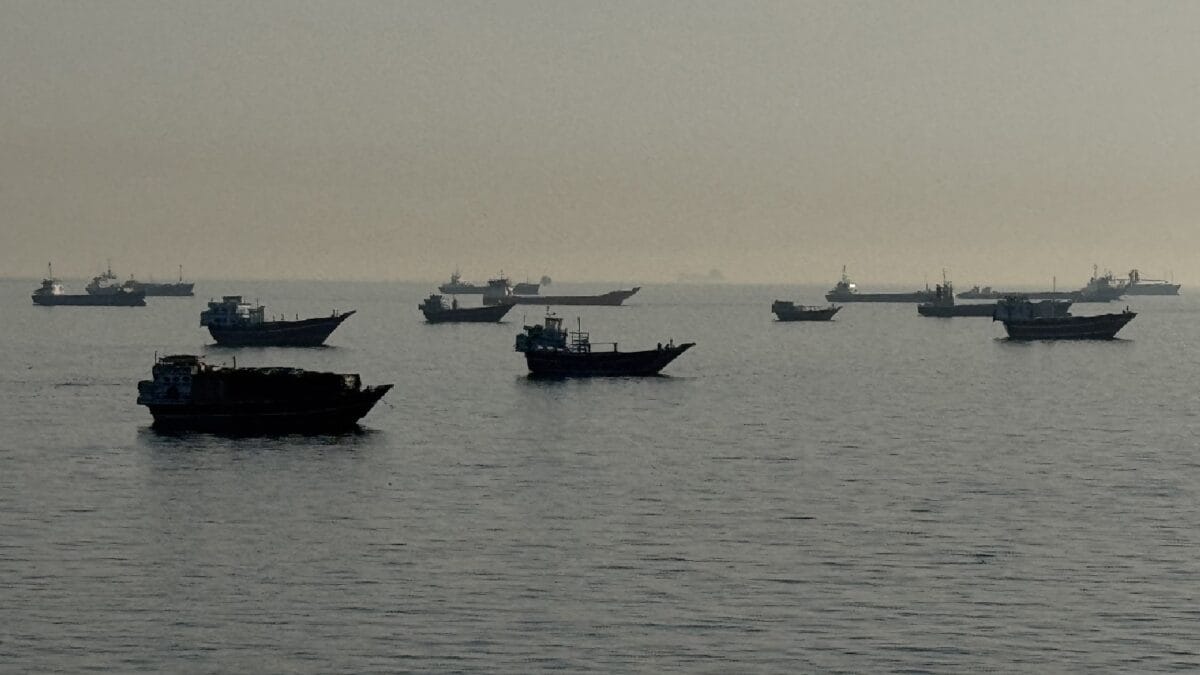
Iran-Oman strike landmark deal to secure Strait of Hormuz
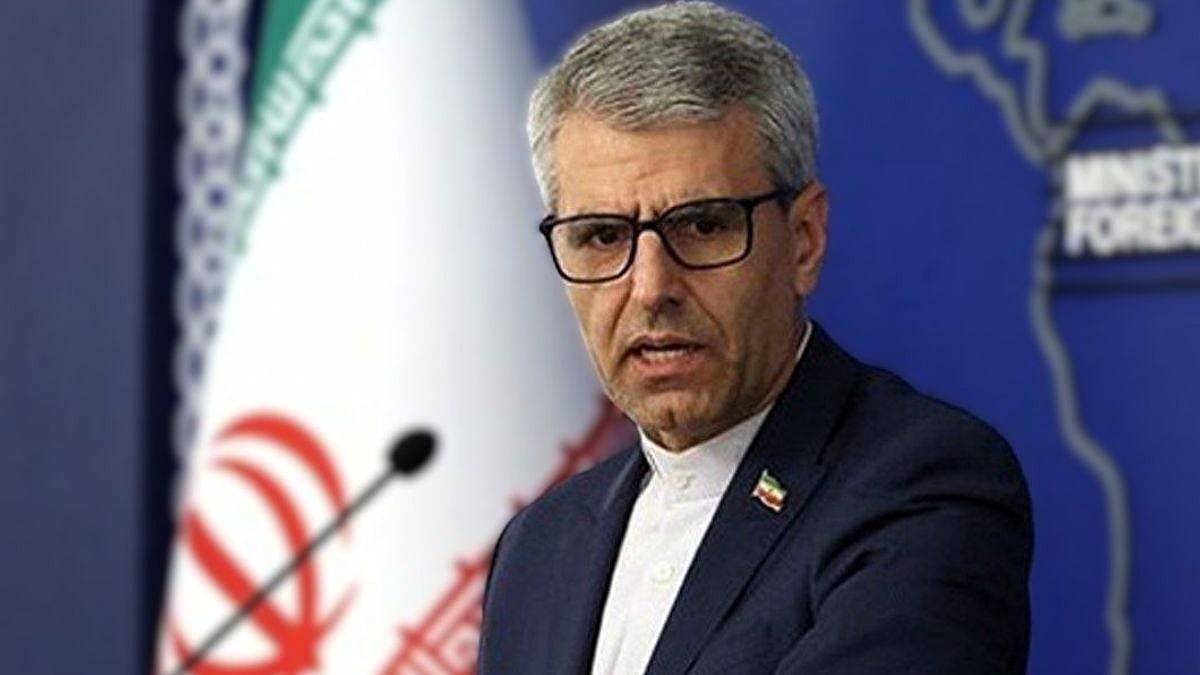
Iran, Oman Finalise Hormuz Transit Deal Amid US Threats
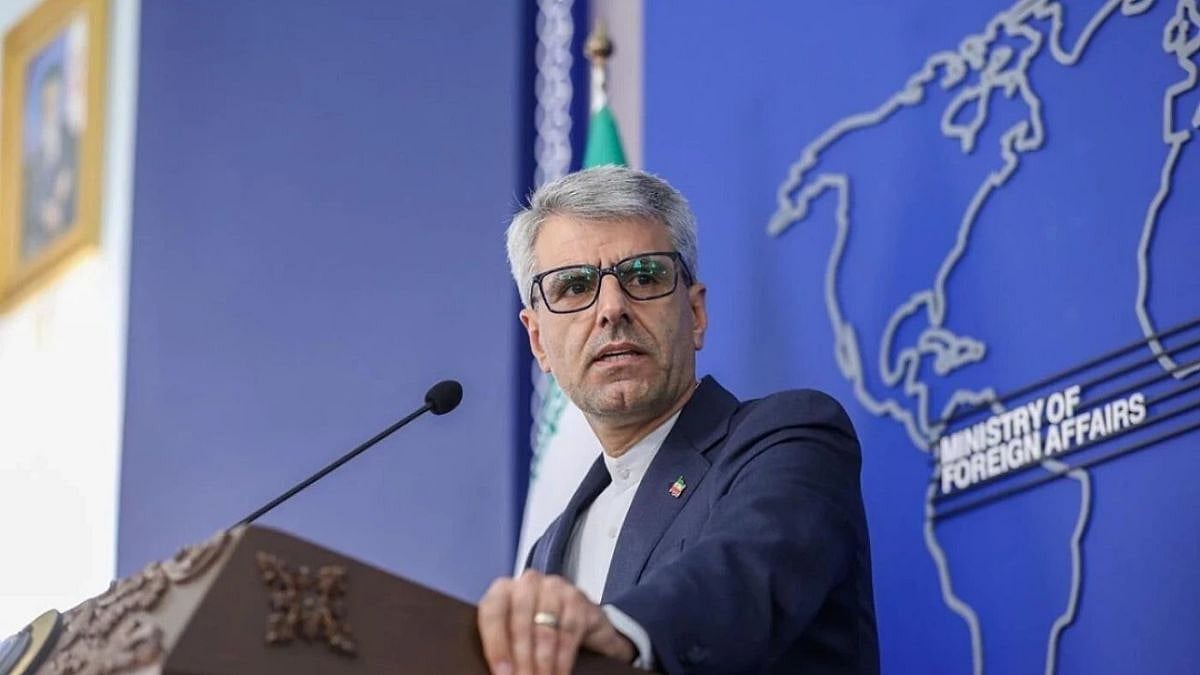
Iran Says Strait of Hormuz Deal With Oman Being Finalised
Saudi Arabia Says Iranian Tanker Attack Killed Two Sailors
U.S.-Iran Exchange Escalates Across Middle East, Markets Slide
Trump Aides Seek Quiet Iran War Before Midterm Elections
US Warns Middle East Travelers Amid Escalating Iran-Linked Tensions

Indian Stocks Slide as Oil, Conflict and Yields Rise