2 weeks ago
Iran-Oman strike landmark deal to secure Strait of Hormuz
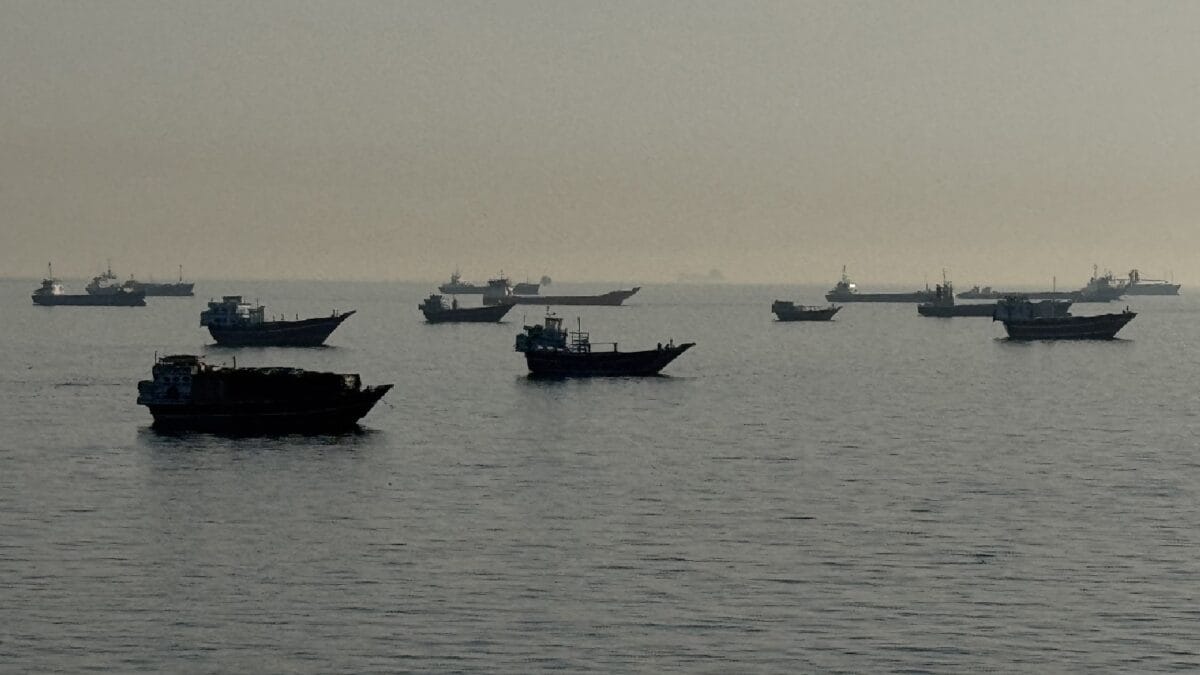
There is a very important waterway called the Strait of Hormuz, where many ships carry oil and gas to countries around the world.
Iran and Oman, the two countries beside the waterway, are both important.
They had a problem, though.
Iran had closed the waterway because it was upset about an attack on it by the United States and Israel, and this caused problems for ships.
Now Iran and Oman have agreed on safe routes for ships to use, which is good news.
But Iran says it will only fully open the waterway if America stops its naval blockade, military threats, and sanctions.
The United States was not part of the talks, and it might not accept the deal because it wants all ships to pass freely.
The deal was reached after three weeks of talks, and the two countries are still discussing other issues.
Until there is an agreement with the US, the waterway will not fully reopen.

Iran and Oman reached an agreement on designated shipping routes through the Strait of Hormuz, the first major breakthrough in restoring order to the world's most vital maritime oil passage.
Under the framework, Iran will oversee inbound commercial traffic while Oman manages outbound vessels, and two key corridors will accommodate about 90 percent of traffic.
Iranian officials say the deal does not mean immediate unrestricted reopening, and full commercial navigation depends on the US ending naval blockades, military threats, and economic sanctions.
The US was not involved in the negotiations, which followed Tehran's closure of the strait in retaliation for the US-Israeli attack on Iran on February 28.
The Strait of Hormuz handles roughly 20 percent of global petroleum supply and linked the Persian Gulf with the Gulf of Oman and the Arabian Sea.
One article notes the possible reopening of the strait could be more complex due to the dispute over the Abu Musa island, while the other highlights its importance as a major trade route.
- Who
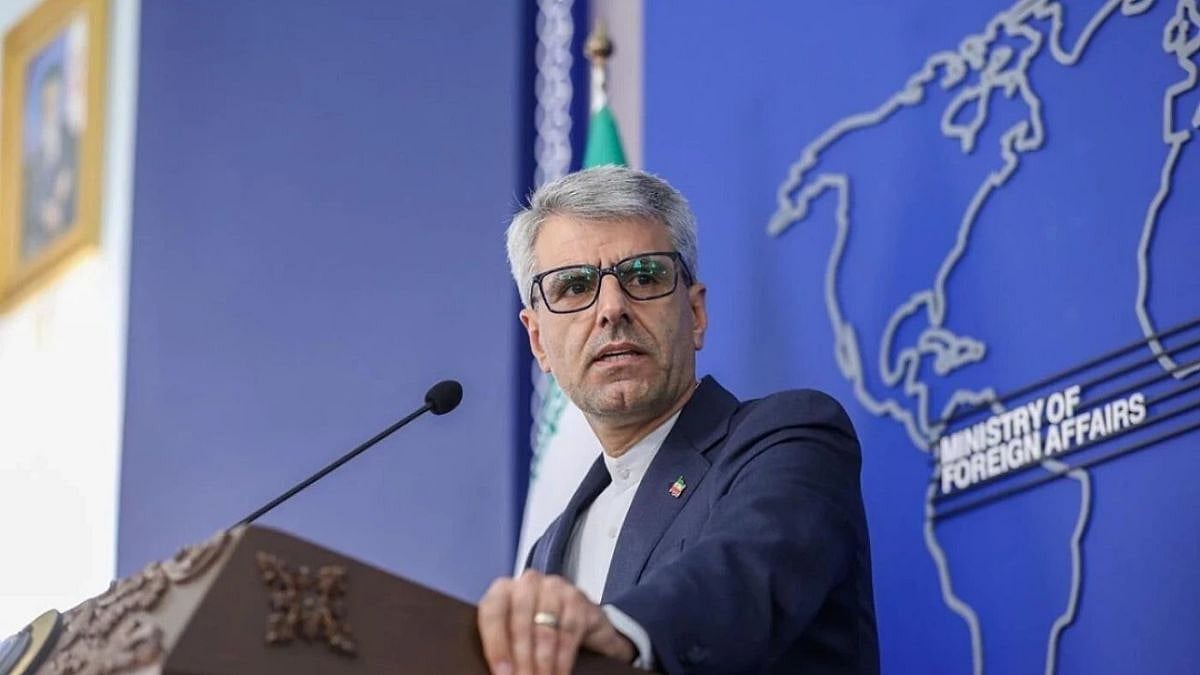
- Iran and Oman, with Iranian Foreign Ministry spokesman Esmail Baghaei announcing the deal; the United States was not involved in the negotiations.
- What
- Iran and Oman reached an agreement on designated shipping routes through the Strait of Hormuz, with Iran overseeing inbound traffic and Oman managing outbound vessels.
- Where
- The Strait of Hormuz, which linked the Persian Gulf with the Gulf of Oman and the Arabian Sea.
- When
- Announced on Saturday, following three weeks of talks.
- Why
- Iran had closed the key waterway in retaliation for the US-Israeli attack on Iran on February 28, and the deal aims to resolve months of maritime disruption.
Iran's position
US position
Reopening conditions
Iran's position
Full security in the Strait of Hormuz cannot return while US maritime sanctions, military movements, and a naval blockade remain in place.
US position
The United States is unlikely to accept arrangements that do not restore free passage through the waterway.
The negotiated arrangements
Iran's position
The safe-shipping agreement with Oman addresses safe passage as a separate deal from other outstanding issues.
US position
Washington was not involved in the negotiations and is unlikely to endorse arrangements that fall short of fully free passage.
Key facts
- Parties involved
- Iran and Oman
- Announcing official
- Esmail Baghaei, Iranian Foreign Ministry spokesman
- Negotiation duration
- Three weeks
- Scope of deal
- Safe shipping routes; Iran oversees inbound traffic, Oman manages outbound vessels
- Trigger for closure
- US-Israeli attack on Iran on February 28
- Key condition for full reopening
- End of US naval blockades, military threats, and economic sanctions
- Strategic importance
- Handled roughly 20 percent of global petroleum supply
- US involvement
- Not involved in the negotiations
Sources
Related news
Iran Says Strait of Hormuz Deal With Oman Being Finalised

Iran Says Hormuz Deal Close, Reopening Depends on US Conditions
Iran, Oman Finalise Hormuz Transit Deal Amid US Threats
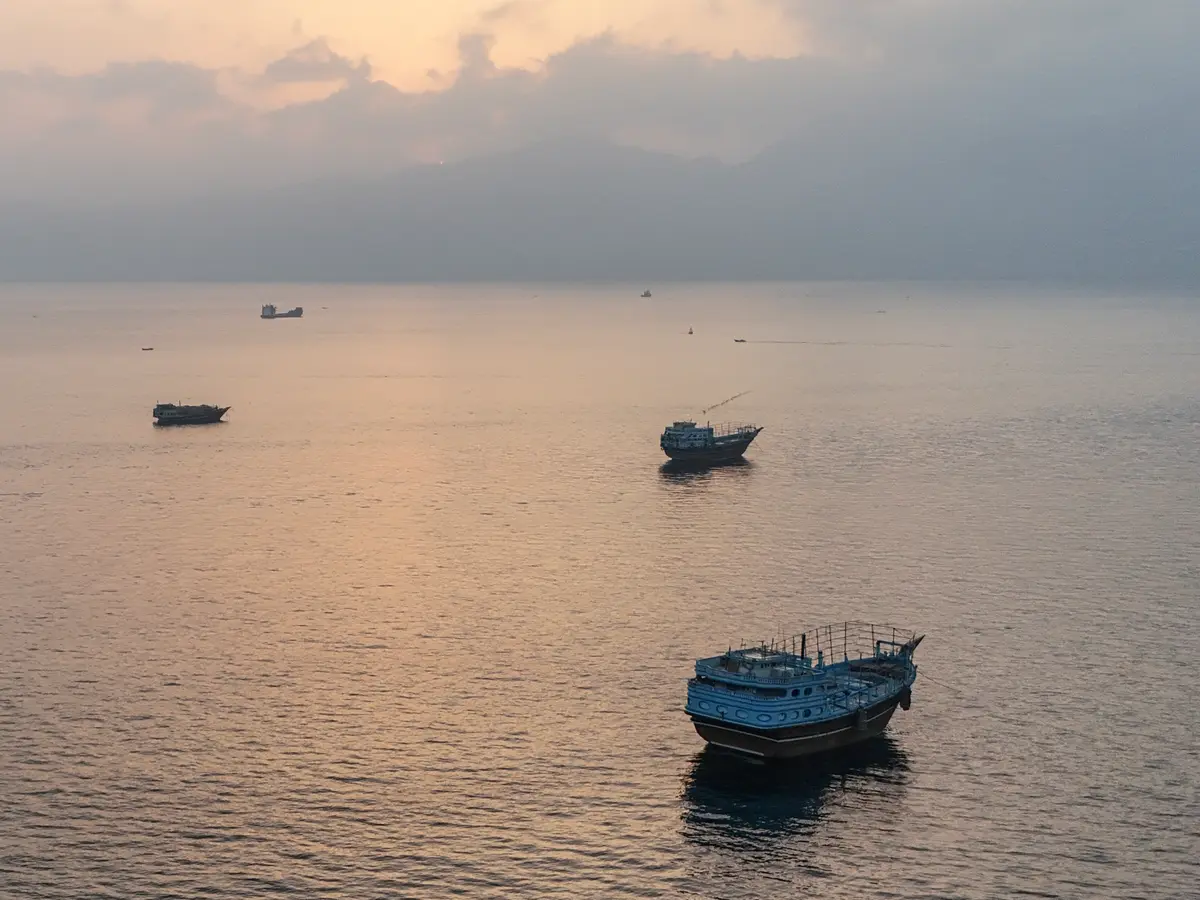
Iran, Oman Reach Hormuz Revenue Accord Amid US Opposition

Iran, Oman Near Temporary Strait of Hormuz Shipping Deal
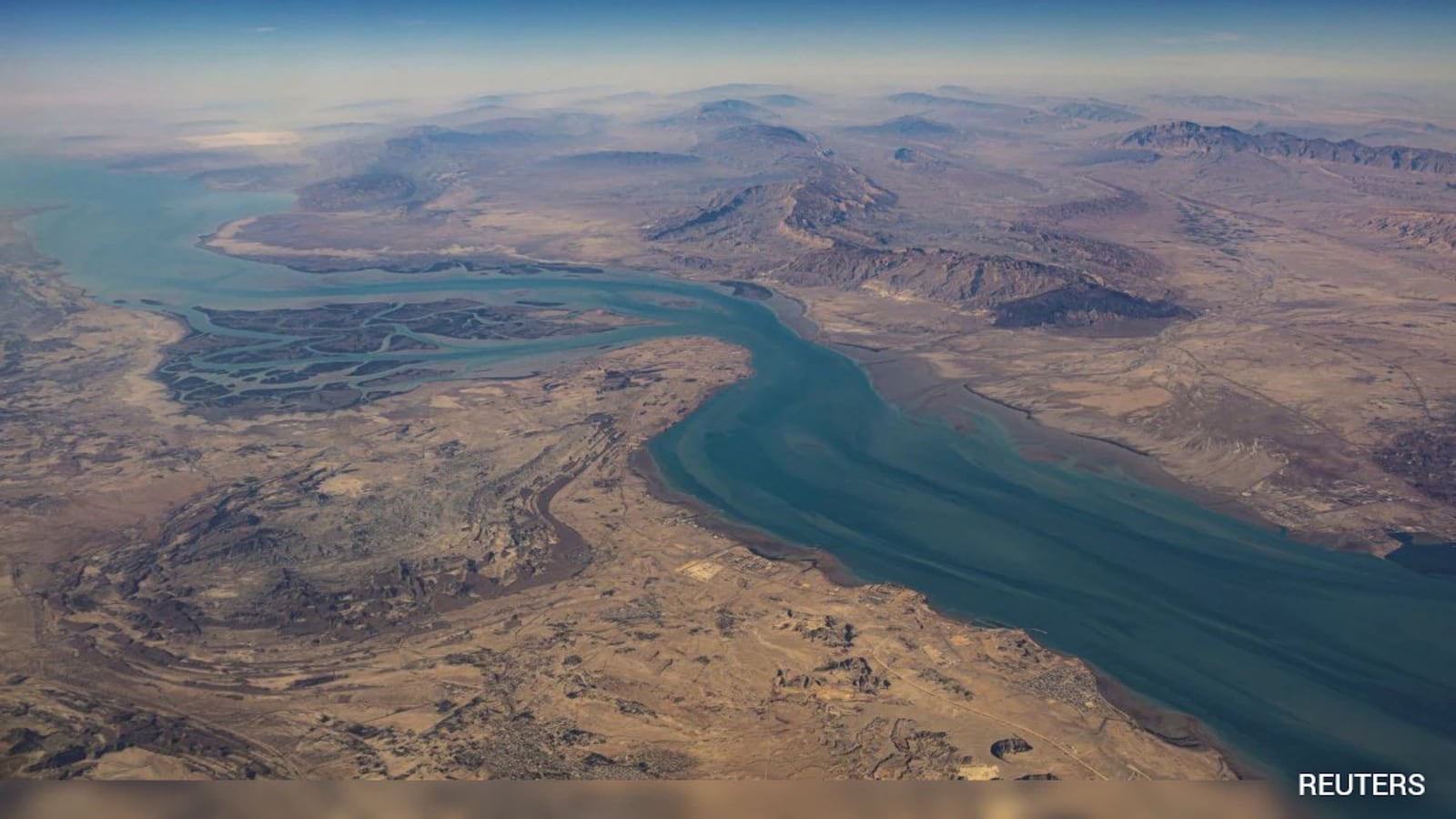
Iran and Oman Report Progress Toward Strait of Hormuz Accord

Chevron Plans $7 Billion Venezuela Expansion Amid U.S. Oil Push
Saudi Arabia Says Iranian Tanker Attack Killed Two Sailors
U.S.-Iran Exchange Escalates Across Middle East, Markets Slide
Trump Aides Seek Quiet Iran War Before Midterm Elections
US Warns Middle East Travelers Amid Escalating Iran-Linked Tensions