3 weeks ago
Hormuz Deal with Oman Close, Reopening Tied to US Compensation
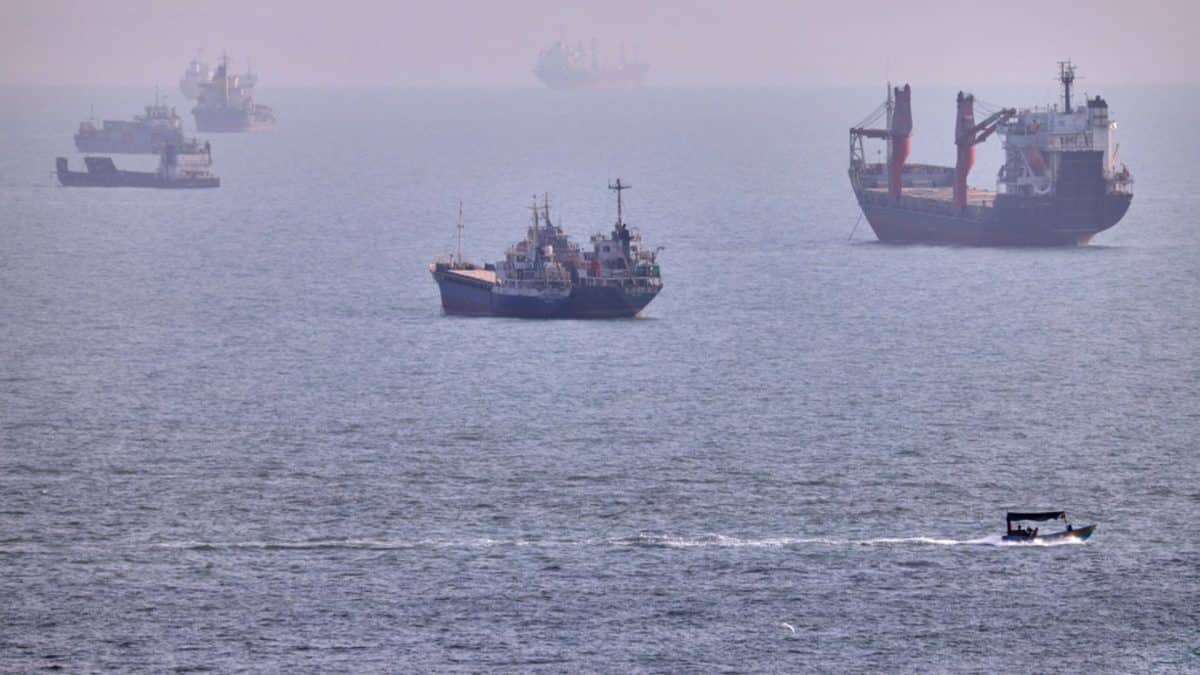
The Strait of Hormuz is a narrow strip of ocean between Iran and Oman where many ships carry oil.
Iran blocked the waterway after attacks involving the United States, stopping many oil shipments.
Now Iran and Oman are talking about how to manage ships and which route they should take.
Iran says the two countries are very close to an agreement on a new route.
But Iran says the waterway will only fully reopen if the United States pays compensation for breaking a promise called the Islamabad memorandum of understanding.
That promise said traffic should return to normal within a month after a ceasefire in June.
Iran is not talking directly with the United States right now; messages are passed through other countries.
The United States says progress has been made and expects a deal soon, after which it would lift its blockade of Iranian ports.
In a separate event, a rebel group called the Houthis attacked an oil refinery in Saudi Arabia, but the fire was put out and no one was hurt.
If an agreement is reached, oil shipments through the Strait of Hormuz could start again.

Iranian Foreign Minister Seyyed Abbas Araghchi said Iran and Oman are 'very close' to an agreement on a legal mechanism and route for managing maritime traffic through the Strait of Hormuz, with a temporary route under discussion.
Iran rules out direct negotiations with the United States, exchanging messages only through intermediaries, until Washington addresses alleged violations of the 14-point Islamabad memorandum of understanding signed in June.
Araghchi said the old traffic separation scheme is no longer acceptable to Iran, and that reopening the waterway depends on conditions beyond the Oman deal, including US compensation and, per Mohammad Baqer Zolqadr, an end to sanctions, blockade, and military action.
A US official told Reuters that Washington expects an agreement between Iran and Oman soon, and would lift its blockade of Iranian ports once commercial shipping resumes without impediments.
In related regional developments, Houthi militants claimed a drone attack on Saudi Aramco's Jazan refinery, which Saudi Arabia said caused a fire that was extinguished with no injuries.
Iran's foreign minister said maritime traffic reached about 60 percent of normal levels within two weeks, but accused the US of violating Clause 5 of the memorandum, which called for normal traffic within a month.
- Who
- Iranian Foreign Minister Seyyed Abbas Araghchi, with Omani and US officials involved in the talks; Mohammad Baqer Zolqadr, secretary of Iran's top national security body, also listed conditions
- What
- Negotiations on a legal mechanism and new route for maritime traffic through the Strait of Hormuz, with reopening conditional on US compensation for alleged violations of the June memorandum
- Where
- Strait of Hormuz, bordered by Iran and Oman; announcement made in Tehran
- When
- Announced at a press conference on Saturday and reiterated on Sunday; follows a five-month-old conflict and a June memorandum of understanding
- Why
- To restore oil exports disrupted by the conflict and serve as a stepping stone toward a broader peace agreement
Iran's Position
US Position
MoU violations and conditions for reopening
Iran's Position
Iran says the United States violated the 14-point Islamabad memorandum of understanding and must provide compensation before the Strait of Hormuz reopens; it is not holding direct talks with Washington.
US Position
A US official says progress has been made and expects a deal between Iran and Oman soon, after which Washington would lift its blockade of Iranian ports once commercial shipping resumes without impediments.
Scope of demands beyond the shipping deal
Iran's Position
Iran, via Mohammad Baqer Zolqadr, demands an end to US threats and military action, an end to aggression against allies, the lifting of sanctions and the blockade, and the release of Iranian assets.
US Position
The US official indicated Washington's actions would be linked to Iran's implementation of its commitments, suggesting a narrower, reciprocal approach.
Key facts
- Key figure
- Seyyed Abbas Araghchi, Iranian Foreign Minister
- Talks status
- 'Very close' to an agreement between Iran and Oman
- Reopening condition
- US compensation for alleged violations of the June memorandum
- Memorandum
- 14-point Islamabad memorandum of understanding signed in June
- Traffic recovery
- About 60% of normal levels within two weeks; Clause 5 called for normal traffic within one month
- US expectation
- Deal expected soon; blockade of Iranian ports to be lifted once commercial shipping resumes unimpeded
- Conflict timeline
- US airstrikes began late February; ceasefire agreed in June; blockade reimposed in July
- Related attack
- Houthi drone strike on Saudi Aramco's Jazan refinery; fire extinguished, no injuries
Quotes
Seyyed Abbas Araghchi
Iranian Foreign Minister
“We are not currently negotiating with the United States; the exchange of messages takes place through intermediaries. Some intermediary countries are still trying to re-establish the ground for negotiations. In our opinion, there is no possibility of resuming negotiations until the US’s violation of the Islamabad Memorandum of Understanding ends and the US makes up for what it has violated.”
 firstpost.com
“Negotiations with Oman regarding the legal mechanism and management of the Strait of Hormuz regarding determining the route of traffic through the Strait of Hormuz are underway, and we are very close to an agreement, but the opening of the Strait of Hormuz is subject to other conditions, including compensation for violations of the Islamabad Memorandum of Understanding by the United States”
 republicworld.com
Unnamed US official
U.S. diplomat, speaking on condition of anonymity
“There is progress between Oman and Iran on the strait, and we expect a deal soon.”
firstpost.com
Sources
Related news
Iran, Oman Finalise Hormuz Transit Deal Amid US Threats
UAE accuses Iran of missile attack on Hormuz vessel

Iran Says Hormuz Deal Close, Reopening Depends on US Conditions
Iran Demands US Concessions Before Reopening Strait of Hormuz

Iran, Oman Near Temporary Strait of Hormuz Shipping Deal
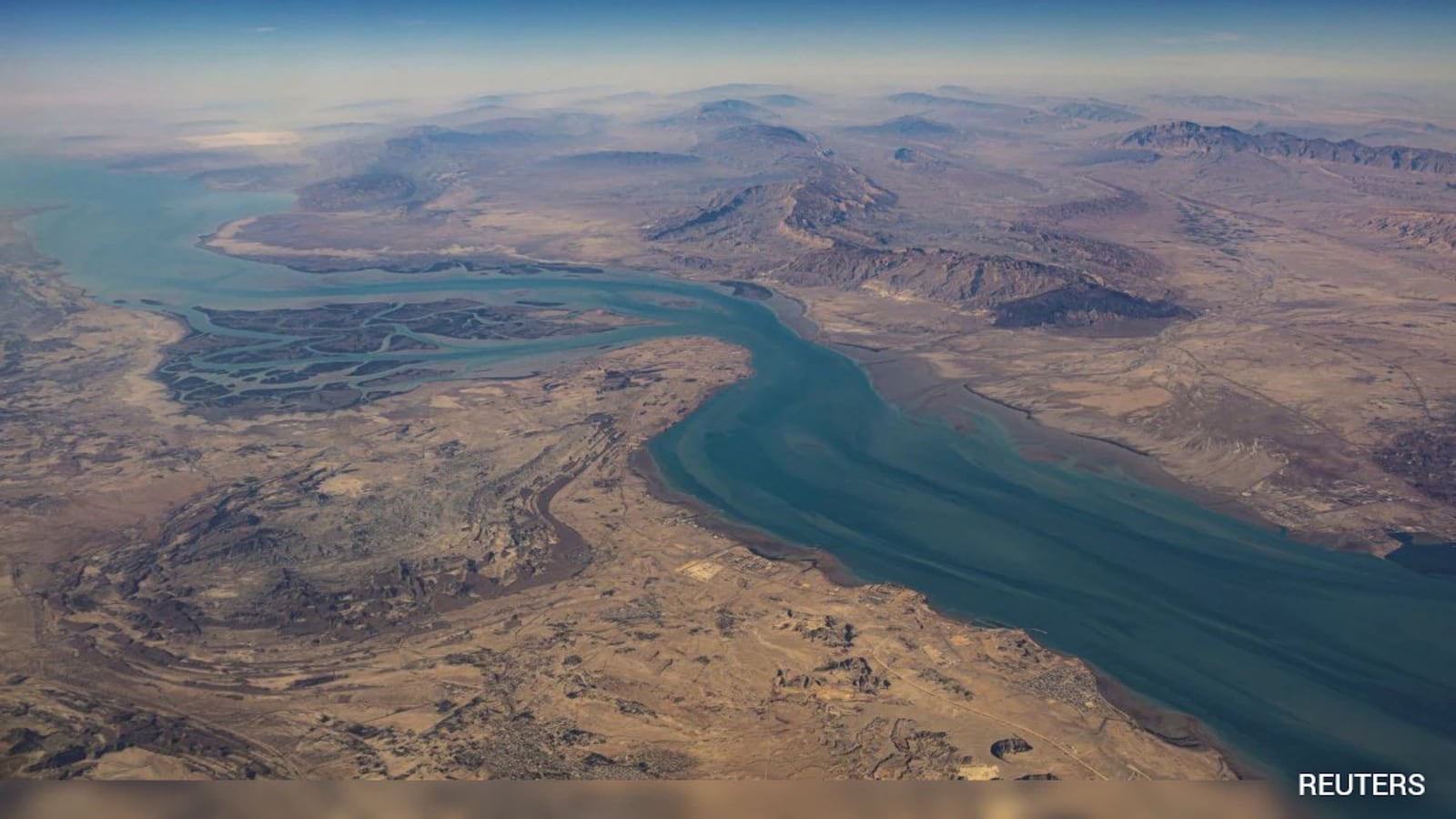
Iran and Oman Report Progress Toward Strait of Hormuz Accord

Chevron Plans $7 Billion Venezuela Expansion Amid U.S. Oil Push
Saudi Arabia Says Iranian Tanker Attack Killed Two Sailors
U.S.-Iran Exchange Escalates Across Middle East, Markets Slide
Trump Aides Seek Quiet Iran War Before Midterm Elections
US Warns Middle East Travelers Amid Escalating Iran-Linked Tensions