1 week ago
Canada Truck Tariff Demand Helped Derail US Trade Talks
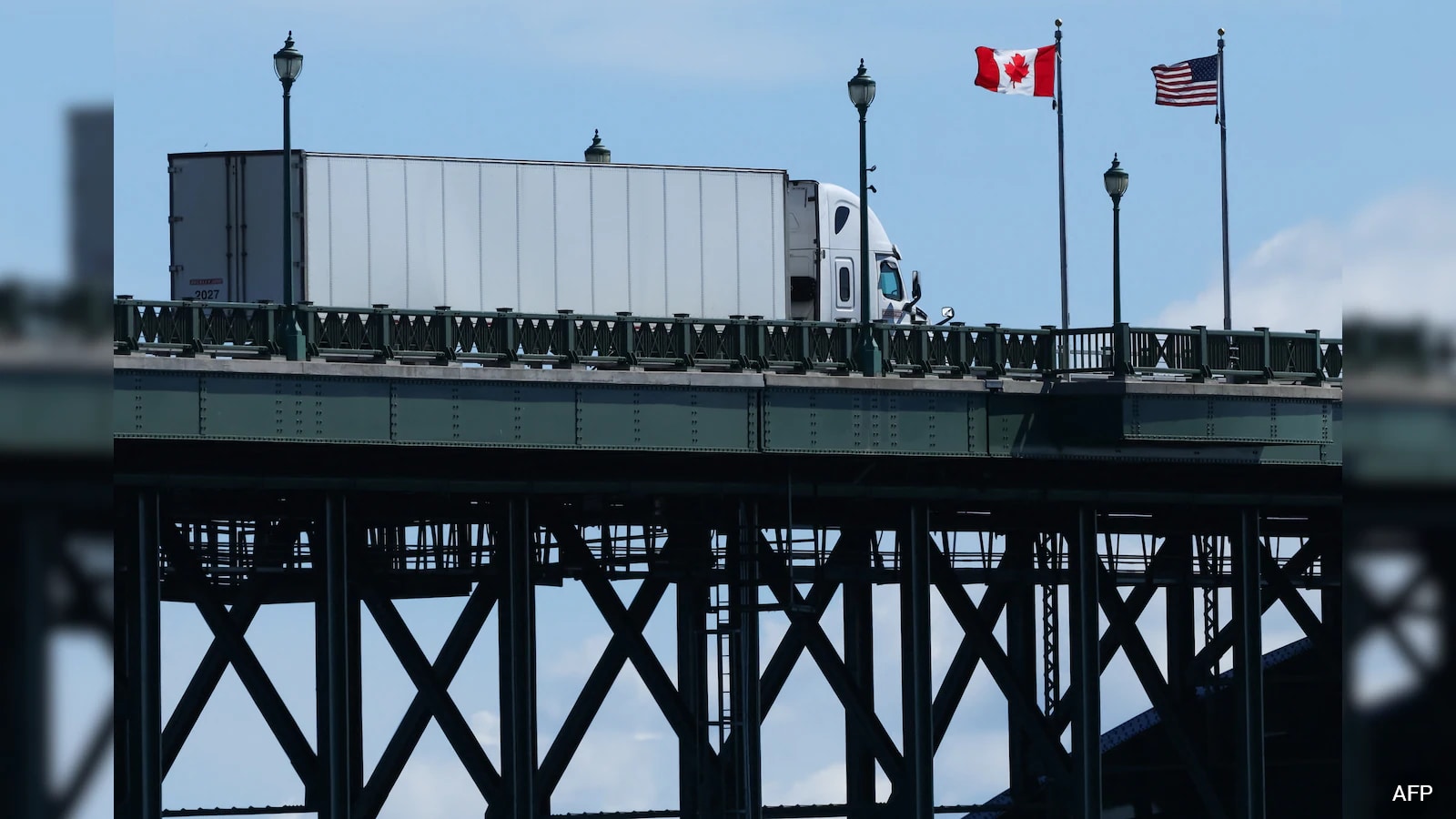
The United States and Canada were trying to make a new trade agreement.
They had mostly agreed to lower some tariffs, which are taxes charged on goods crossing borders.
Canada wanted big trucks included in the lower tariff rate.
The United States said this was a new request that had not been part of the agreement.
Canadian officials said the United States had removed those trucks from the deal at the last minute.
The disagreement caused the talks to fall apart.
The United States then announced 50% tariffs on about $20 billion of Canadian goods.
Canada said it would respond with matching tariffs on American goods starting September 8.

US-Canada trade talks collapsed Friday amid a dispute over tariff relief for medium- and heavy-duty vehicles.
A proposed agreement would have reduced US auto tariffs from 25% to 15% and lowered tariffs on steel, aluminum and lumber.
Canada sought to extend the auto tariff reduction to larger vehicles, including Ford F-350s and commercial trucks.
US officials viewed the truck request as an additional last-minute demand, while Canadian officials said the US removed those vehicles from the deal.
The breakdown led to new 50% US tariffs on about $20 billion of Canadian goods and Canadian counter-tariffs beginning September 8.
- Who
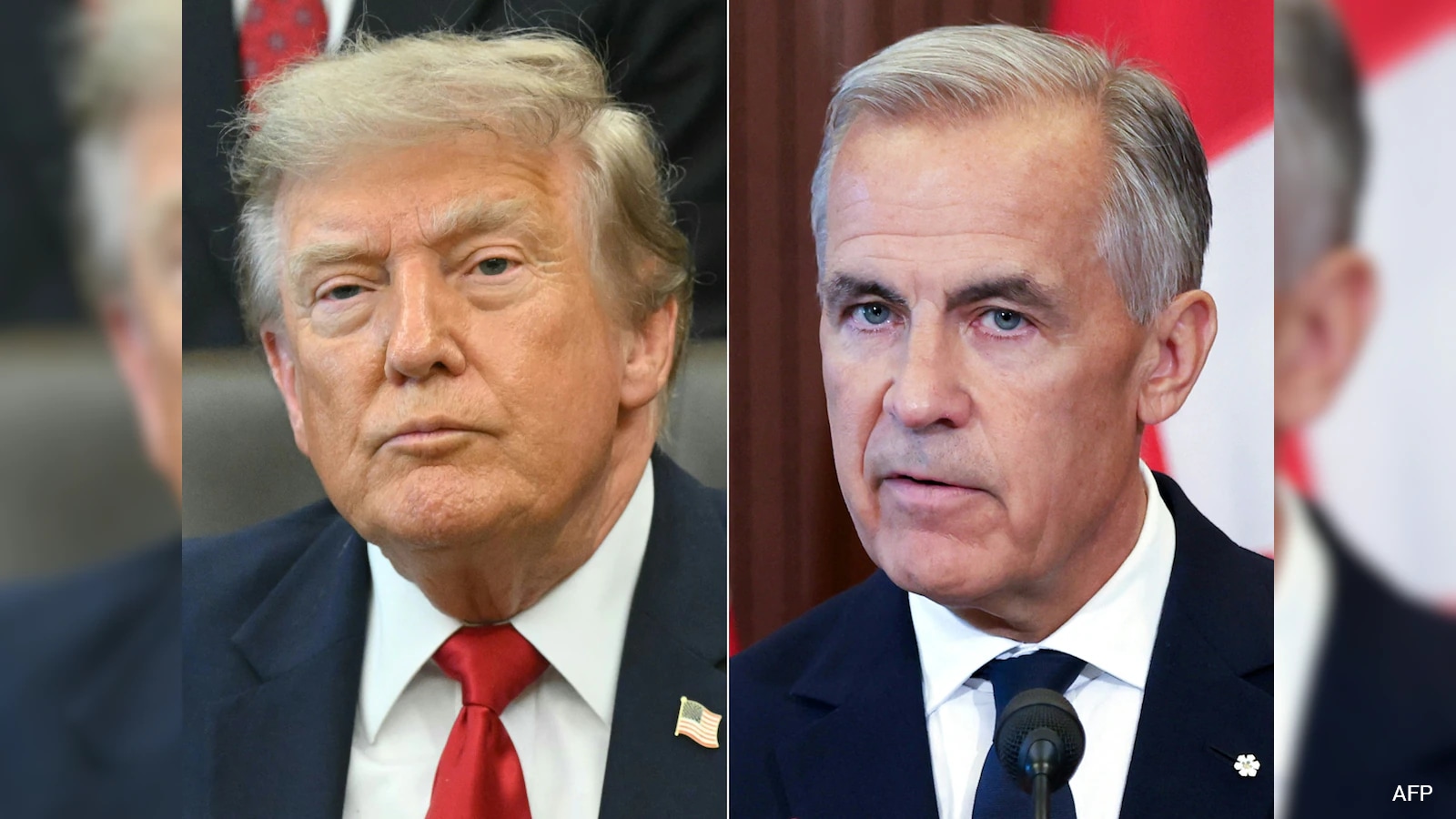
- The governments of the United States and Canada, including Canadian Prime Minister Mark Carney, were involved; Canadian industry and union representatives also commented.
- What
- Trade talks collapsed after the two countries disagreed over whether medium- and heavy-duty vehicles should receive reduced US tariffs.
- Where
- The negotiations concerned trade between the United States and Canada, including vehicle production in Ontario.
- When
- The talks collapsed Friday; Carney discussed the dispute Saturday, and Canada announced counter-tariffs beginning September 8.
- Why
- Canada sought tariff relief for larger vehicles, while the United States viewed that request as an additional demand outside the proposed deal.
Canada's Position
United States' Position
Whether truck relief was part of the deal
Canada's Position
Canadian officials argued that medium- and heavy-duty vehicles should receive the same tariff relief as other autos. Mark Carney said excluding Ford's Ontario-made F-350s and larger pickups made no sense.
United States' Position
People familiar with the negotiations said US officials regarded the truck request as an additional demand that had not been included in the emerging agreement.
Who changed the proposal
Canada's Position
Flavio Volpe said the Americans had removed super-duty pickup trucks from the products eligible for a reduced tariff at the last minute.
United States' Position
The US side did not publicly comment in the report, while people familiar with the talks said Canada introduced the expanded truck request late in negotiations.
Protecting Canadian auto manufacturing
Canada's Position
Unifor said Canada needed to resist concessions that could lead to further demands and weaken the competitiveness of Canada's auto sector.
United States' Position
The proposed arrangement, as described by people familiar with it, would have provided tariff reductions across several sectors, but the truck disagreement prevented an agreement.
Key facts
- Proposed auto tariff
- A proposed agreement would have lowered the regular US auto tariff from 25% to 15%.
- Vehicles at issue
- Medium- and heavy-duty vehicles, including large pickup trucks and commercial vehicles.
- Canadian manufacturing example
- Ford's Ontario plant makes F-350s and larger pickup trucks.
- New US tariffs
- The United States imposed new 50% tariffs on about $20 billion of Canadian goods.
- Canadian response
- Prime Minister Mark Carney announced dollar-for-dollar counter-tariffs on American goods starting September 8.
- Other sectors in proposed deal
- The outline also included lower US tariffs on steel, aluminum and lumber.
Quotes
Lana Payne
National president of Unifor, Canada's largest private-sector union
“And eventually you're getting away from being able to have a competitive sector in Canada. And that was really problematic.”
 NDTV
NDTV
Sources
Related news

US-Canada Trade Talks Collapse Over Disputed Deal Fine Print

US-Canada Trade Deal Collapses Over Trucks, Culture and Tariffs
Trump, Canada Trade Tariffs Escalate After Talks Collapse

Trump threatens 50% tariffs on Canadian cars amid trade fight
US-Canada Trade Talks Collapse as 50% Tariffs Take Effect

Canada-US Trade Talks Collapse as Tariffs Deepen Economic Rift