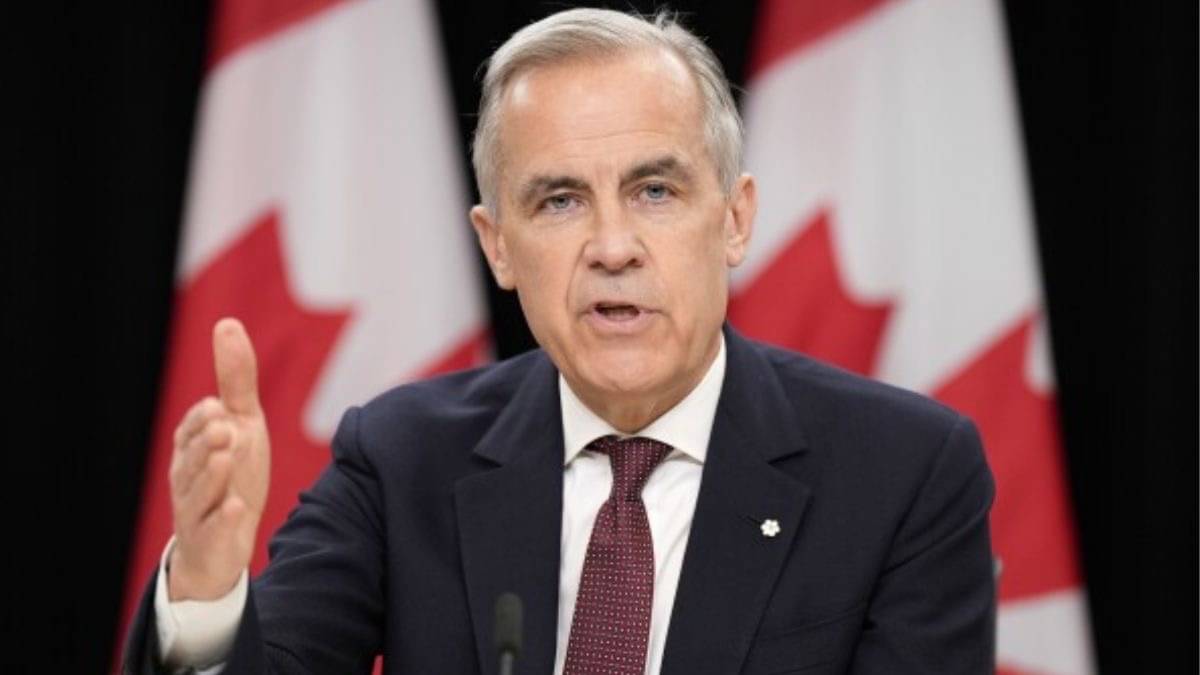
1 week ago
US-Canada Trade Talks Collapse Over Disputed Deal Fine Print

The United States and Canada were trying to make a new trade deal.
Canada says the written paperwork kept changing from what its negotiators thought they had agreed to.
The United States says Canada walked away from a deal that would have lowered some tariffs.
The talks ended on Friday without an agreement.
The United States then placed a 50% tariff on about $20 billion of Canadian goods.
Canada announced that it would respond with its own measures on Sept.
8.
One disagreement involved tariffs on medium- and heavy-duty vehicles.
Another involved Canada’s freedom to make trade deals with other countries and its rules protecting French-language content.
Both countries remain in contact, but it is unclear whether talks will restart before the retaliation date.

Canada’s ambassador said negotiations collapsed because the written deal differed repeatedly from Canada’s understanding of what had been agreed.
The United States imposed a 50% tariff on about $20 billion in Canadian goods after talks ended Friday.
Canada announced retaliatory measures scheduled to take effect Sept. 8, while the United States threatened further escalation.
A major dispute involved tariff relief for medium- and heavy-duty vehicles made in Canada, including those linked to General Motors and Ford.
The countries also disagreed over Canada’s ability to pursue other trade agreements and rules affecting French-language digital content.
- Who
- The governments of the United States and Canada, including Canadian Ambassador Mark Wiseman, Prime Minister Mark Carney, and United States Trade Representative Jamieson Greer.
- What
- Trade negotiations collapsed over disagreements about the written terms of a potential deal, triggering new tariffs and planned retaliation.
- Where
- The negotiations concerned trade between the United States and Canada, with Mark Wiseman speaking from the Canadian embassy in Washington.
- When
- The talks collapsed late Friday; the United States imposed tariffs afterward, and Canada’s retaliation is scheduled for Sept. 8.
- Why
- Canada said the written terms repeatedly reflected more negative interpretations than its understanding of the agreement, while the United States said Canada walked away from proposed tariff reductions.
Canada’s Account
United States’ Account
Why talks collapsed
Canada’s Account
Canada said the written language repeatedly differed from what it believed had been agreed and that the proposed terms were unfair and uneconomic.
United States’ Account
United States Trade Representative Jamieson Greer blamed Canada for walking away from a deal that would have provided tariff reductions.
Tariff and vehicle terms
Canada’s Account
Canada said medium- and heavy-duty vehicles needed to be included in tariff relief to protect its automotive assembly industry.
United States’ Account
The United States resisted cutting tariffs on medium- and heavy-duty vehicles, while saying the broader proposal included reductions for other sectors.
Trade and cultural rules
Canada’s Account
Canada said it must retain the ability to make trade agreements with other jurisdictions and protect and expand French-language content.
United States’ Account
Canada said the United States sought limits on separate Canadian trade deals and curbs related to French-language content; the United States’ detailed position on those issues was not fully provided in the reports.
Key facts
- US tariff
- A 50% tariff was applied to about $20 billion in Canadian goods.
- Canadian retaliation
- Canada announced measures that will take effect on Sept. 8.
- Vehicle dispute
- Canada sought tariff relief for medium- and heavy-duty vehicles.
- Proposed US concessions
- The United States said the deal would have reduced tariffs on some steel, aluminum, automobiles, and lumber.
- Trade diversification
- Canada said any agreement must preserve its ability to pursue trade relationships with other jurisdictions.
- French-language content
- Canada treated protections for French-language digital content as non-negotiable.
- Negotiation status
- Communications continue, but it is unclear whether talks will restart before Sept. 8.
Quotes
Mark Wiseman
Canada’s ambassador to the United States and Prime Minister Mark Carney’s top US envoy
““We’re disappointed,” he said. “We worked hard, but at the end of the day, the terms that were put forward on a deadline — that was created by the United States — it didn’t work for us.””
 livemint.com
““American businesses and American consumers pay American tariffs. The last thing we need right now, as our economy is getting back on its feet, is a trade war with Canada.””
livemint.com
Sources
Related news
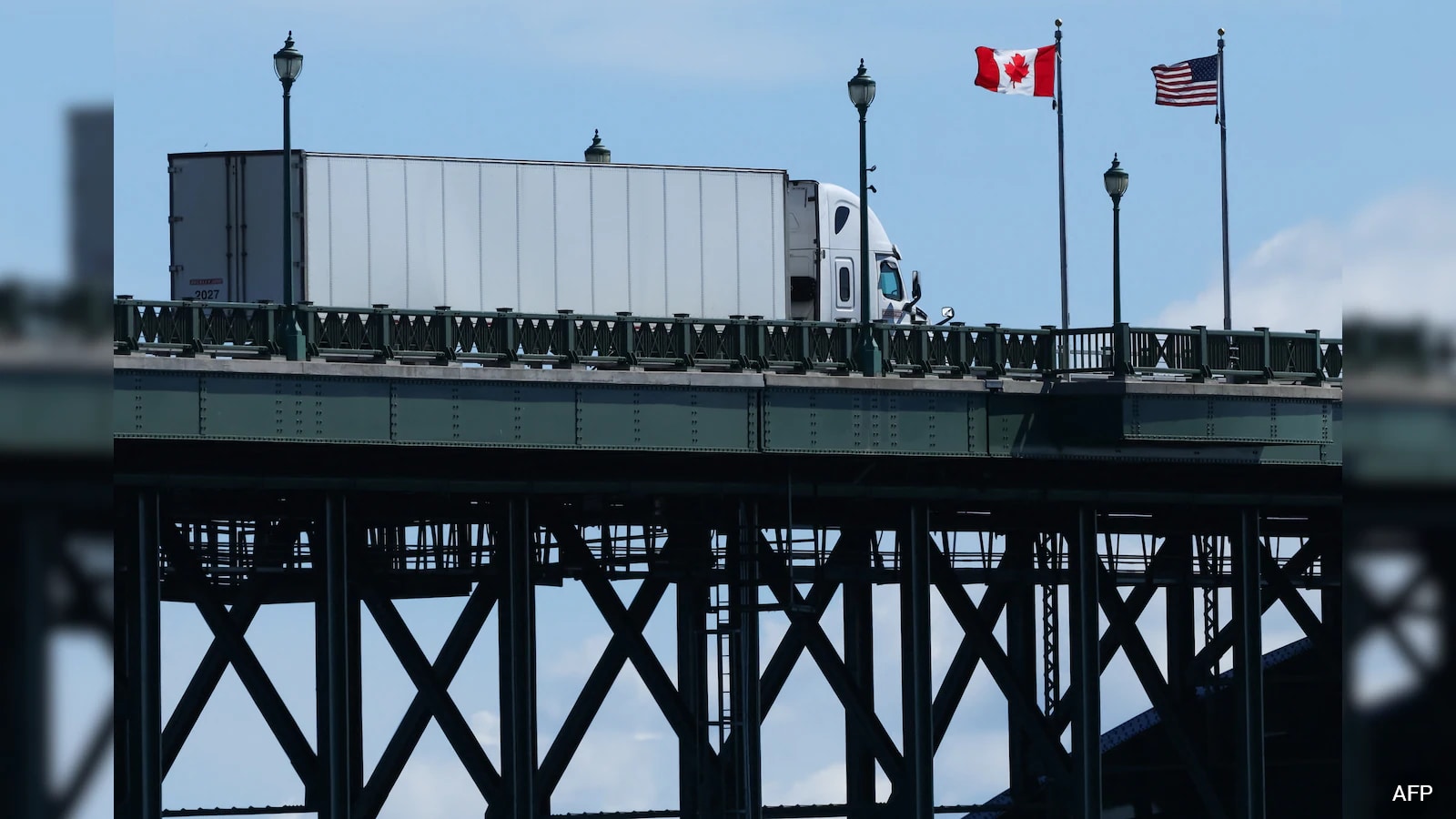
Canada Truck Tariff Demand Helped Derail US Trade Talks

Canada-US Trade Talks Collapse as Tariffs Deepen Economic Rift

US-Canada Trade Talks Collapse as Tariffs Trigger Retaliation
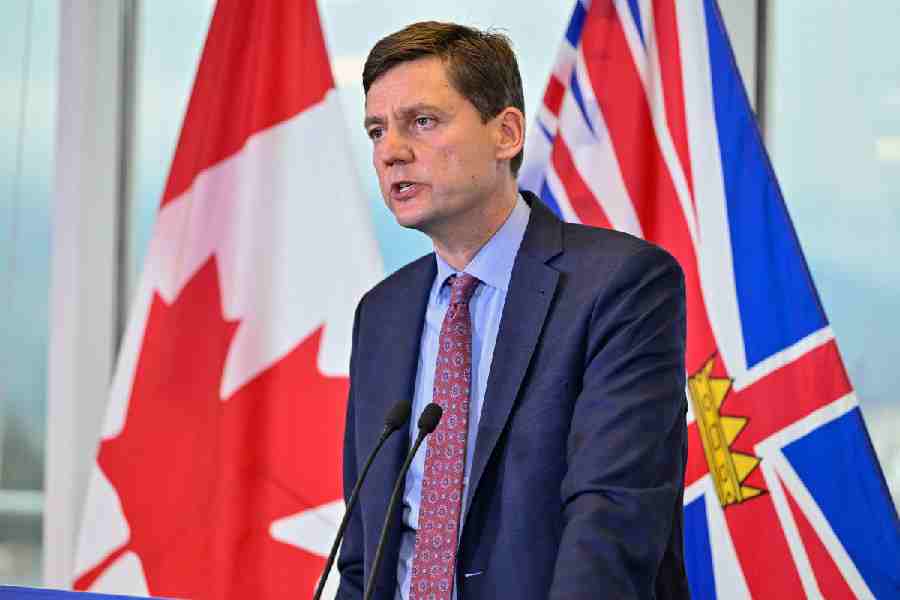
US-Canada Trade Deal Collapses Over Trucks, Culture and Tariffs
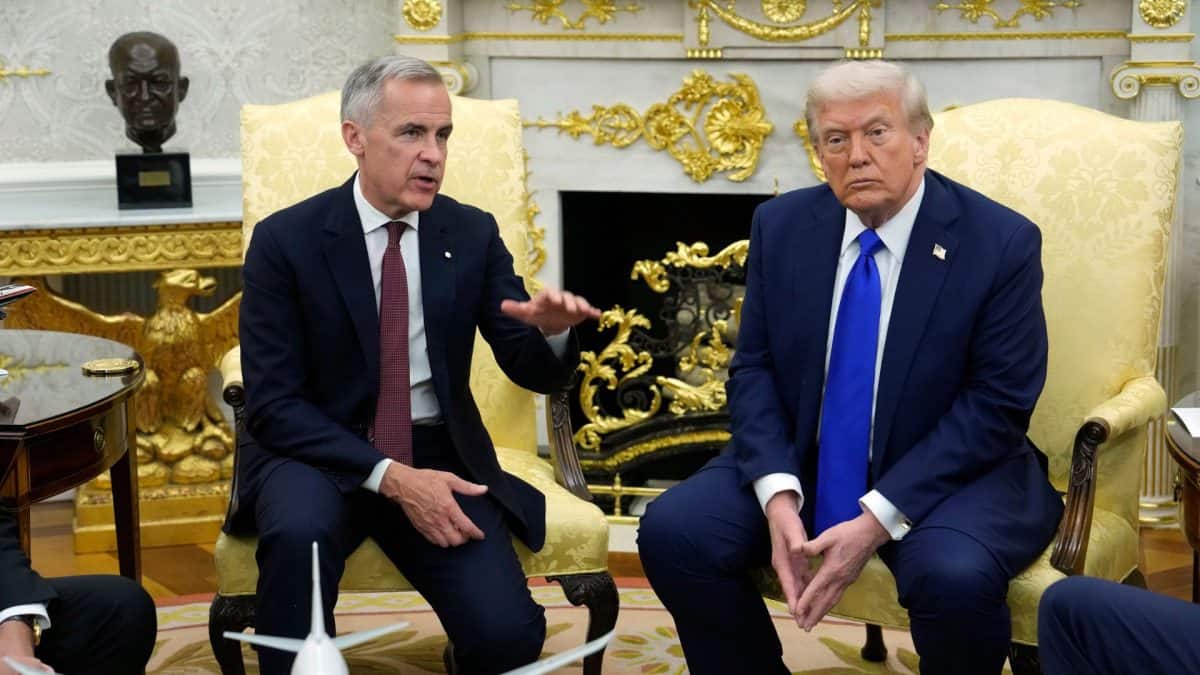
US-Canada Trade Talks Collapse as 50% Tariffs Take Effect

US-Canada Trade Talks Collapse as Tariff Dispute Escalates

US-Canada Trade Collapse Offers India a Cautionary Lesson