

5 days ago
Nepal Flood Highlights Sikkim’s Hanging Glacier Threat and Preparedness
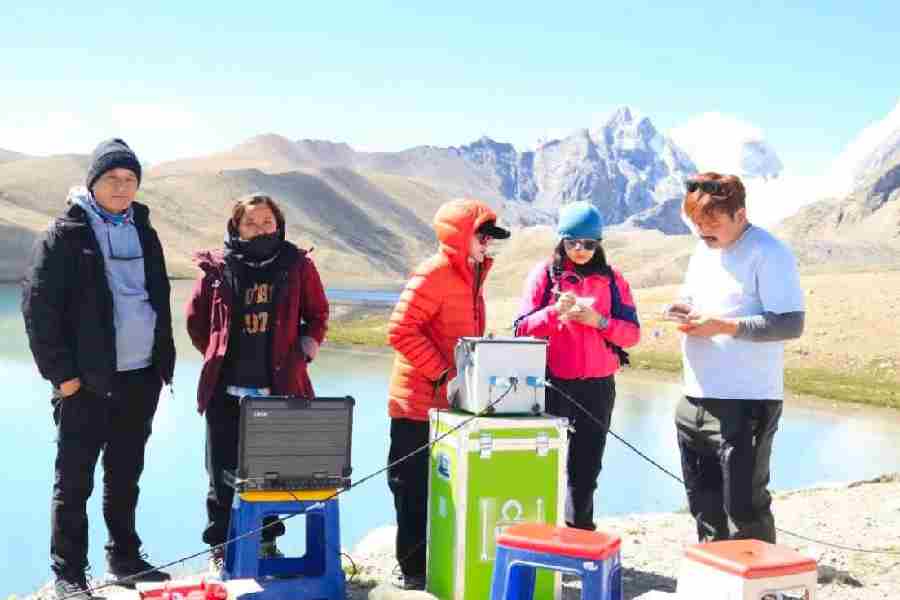
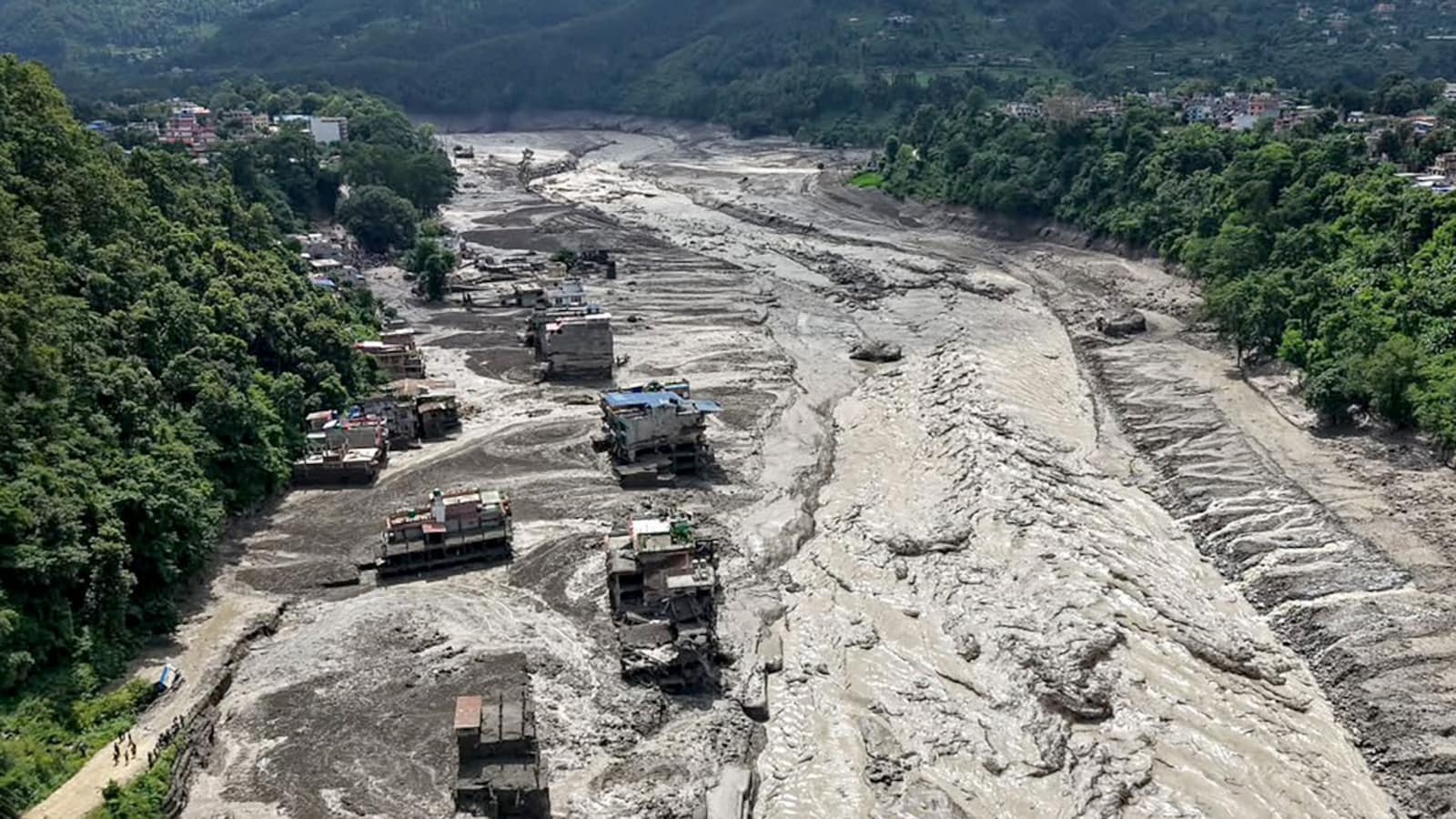
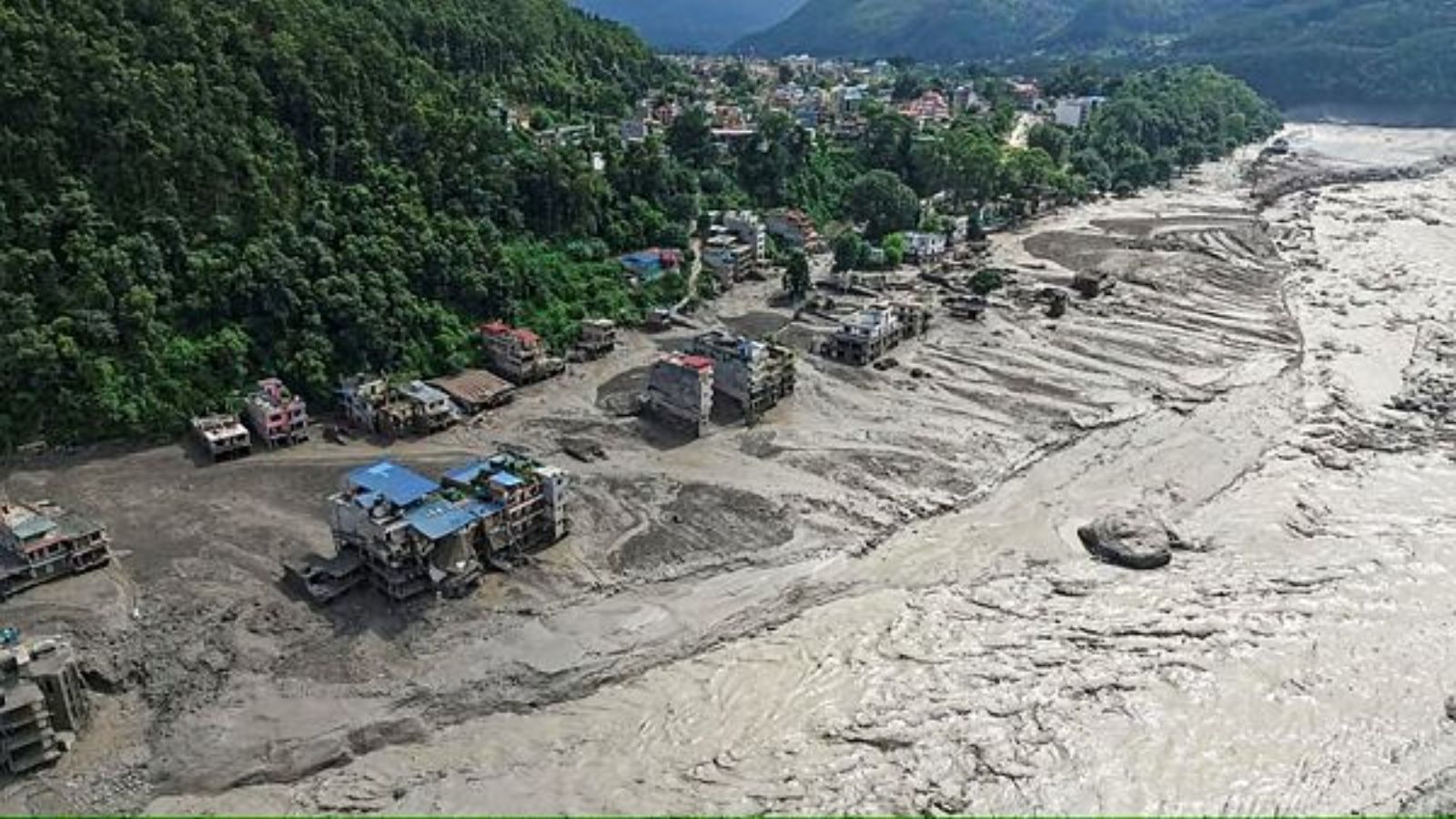
A flood happened near the Nepal-China border, and experts think falling ice may have helped cause it.
The exact cause has not been confirmed.
This has made people look more closely at dangerous ice and lakes in nearby Sikkim.
One lake in Sikkim contains about five million cubic metres of water.
A large glacier hangs above the lake and could potentially fall.
Scientists also found that the lake’s side ridges looked mostly stable during their inspection.
Sikkim is now collecting more information and improving its warning systems.
Countries in the Himalayan region are calling for cooperation because floods and climate risks can cross borders.

A Nepal flood suspected to involve an ice avalanche has renewed attention on glacial hazards in Sikkim.
A 2025 inspection found the five-million-cubic-metre Chumilamcha lake beneath a one-kilometre-long hanging glacier.
Experts warn that hanging glaciers can collapse, causing avalanches and downstream debris flows.
Sikkim found Chumilamcha’s lateral moraines relatively stable, while its breached terminal moraine showed scars of an earlier GLOF.
India and Sikkim are expanding monitoring, risk assessment, early-warning systems and mitigation efforts for high-risk glacial lakes.
- Who
- Experts, Sikkim government teams, the Indian central government and parliamentarians from eight Hindu Kush Himalayan countries are involved.
- What
- A suspected ice-avalanche-triggered flood in Nepal has highlighted the risks posed by hanging glaciers and glacial lakes in Sikkim.
- Where
- The suspected Nepal incident occurred along the Nepal-China border region, while Chumilamcha is in north Sikkim at an altitude of 4,800 metres.
- When
- The Nepal floods began on Wednesday; Chumilamcha was inspected in August 2025, following a further expedition from July 23 to August 8, 2025.
- Why
- The events have raised concern about glacial hazards and the need for stronger monitoring, early-warning systems, mitigation and regional cooperation.
Hazard Warnings
Stability and Uncertainty
Risk from the hanging glacier
Hazard Warnings
Glaciologist Ashim Sattar said hanging glaciers on steep slopes or cliffs can collapse and trigger avalanches and debris flows downstream, while often being overlooked in hazard assessments.
Stability and Uncertainty
The Sikkim team found the left and right lateral moraines near Chumilamcha relatively stable, with limited risk of mass movement into the lake.
Cause of the Nepal flood
Hazard Warnings
Preliminary reports led experts to suspect that an ice avalanche in the Lhende Khola triggered the flooding.
Stability and Uncertainty
Qianggong Zhang of the International Centre for Integrated Mountain Development said the suspected trigger remained unconfirmed.
Regional response
Hazard Warnings
The Nepal disaster prompted calls for stronger cooperation because Himalayan climate risks can cross national boundaries.
Stability and Uncertainty
Sikkim and India are also pursuing state and national technical measures, including data collection, autonomous monitoring, early-warning systems and mitigation planning.
Key facts
- Chumilamcha lake
- A category A high-risk glacial lake in north Sikkim.
- Water volume
- The lake was reported to hold five million cubic metres of water.
- Hanging glacier
- A glacier about one kilometre long was found above the lake.
- Sikkim glacial lakes
- The Centre says Sikkim has around 320 glacial lakes, including 14 considered high risk.
- National project
- A ₹150-crore National GLOF Risk Mitigation Project was approved for Sikkim, Arunachal Pradesh, Himachal Pradesh and Uttarakhand.
- Sikkim allocation
- Sikkim’s share is ₹40 crore, including a ₹36-crore central share.
- Monitoring technology
- The Centre for Development of Advanced Computing handed Sikkim an indigenous glacial-lake monitoring technology suite on June 25.
Quotes
Qianggong Zhang
Head of climate and environmental risks at ICIMOD
“Hanging glaciers or ice masses perched on steep slopes or cliffs can potentially collapse and trigger avalanches and debris flows downstream. Despite their risks, these glaciers are often overlooked in hazard assessments.”
 telegraphindia.com
“An ice avalanche in the Lhende Khola is the suspected trigger, but the cause remains unconfirmed.”
telegraphindia.com
Sangay Khandu
Deputy speaker of Bhutan’s National Assembly
“Resilience should be carefully woven into the fabric of our laws, our budgets, our institutions and our actions on the ground. It is parliamentarians who have the power to ensure it.”
telegraphindia.com
Sources
Related news

Nepal’s Glacial Lakes Raise Alarms Along Vulnerable River Corridors
Nepal Flood Triggers Warning Of Potential Second Surge
Scientists Suspect Ice-Rock Avalanche Triggered Deadly Nepal Floods

Nepal Thanks India as Glacial Disaster Rescue Efforts Continue
Nepal Warns of Heavy Rain After Deadly Floods
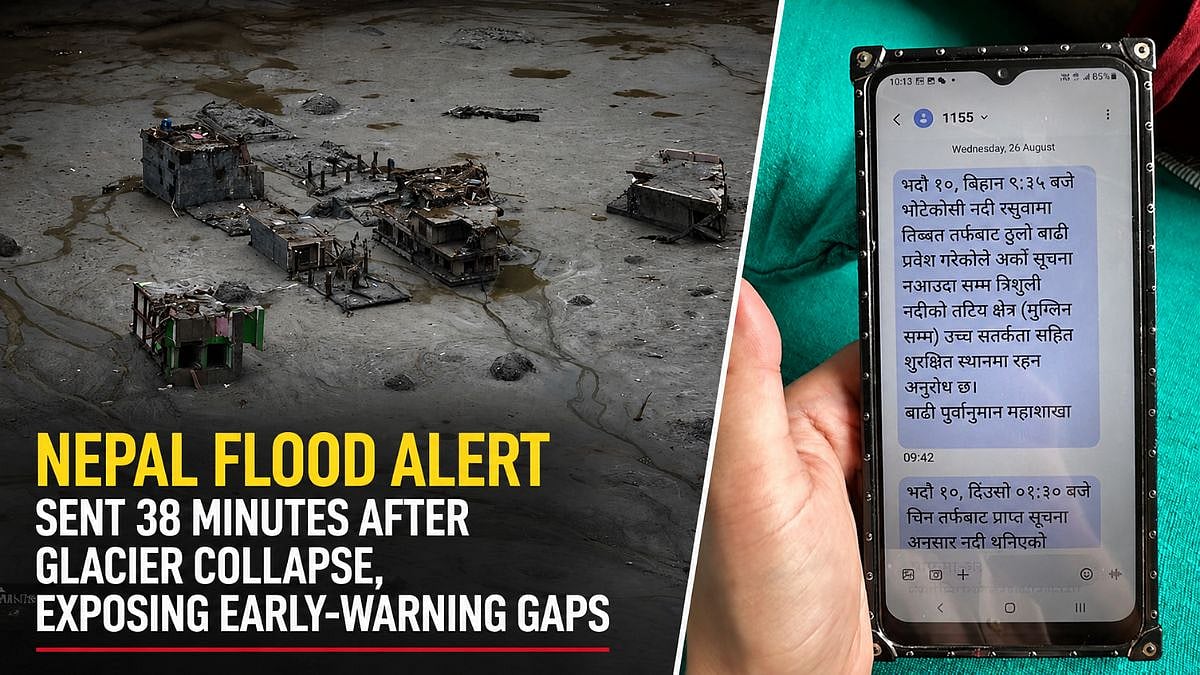
Nepal Flood Exposes Delayed Alerts and Cross-Border Warning Gaps
India to Rebuild Nepal School After Principal Saves 1,600
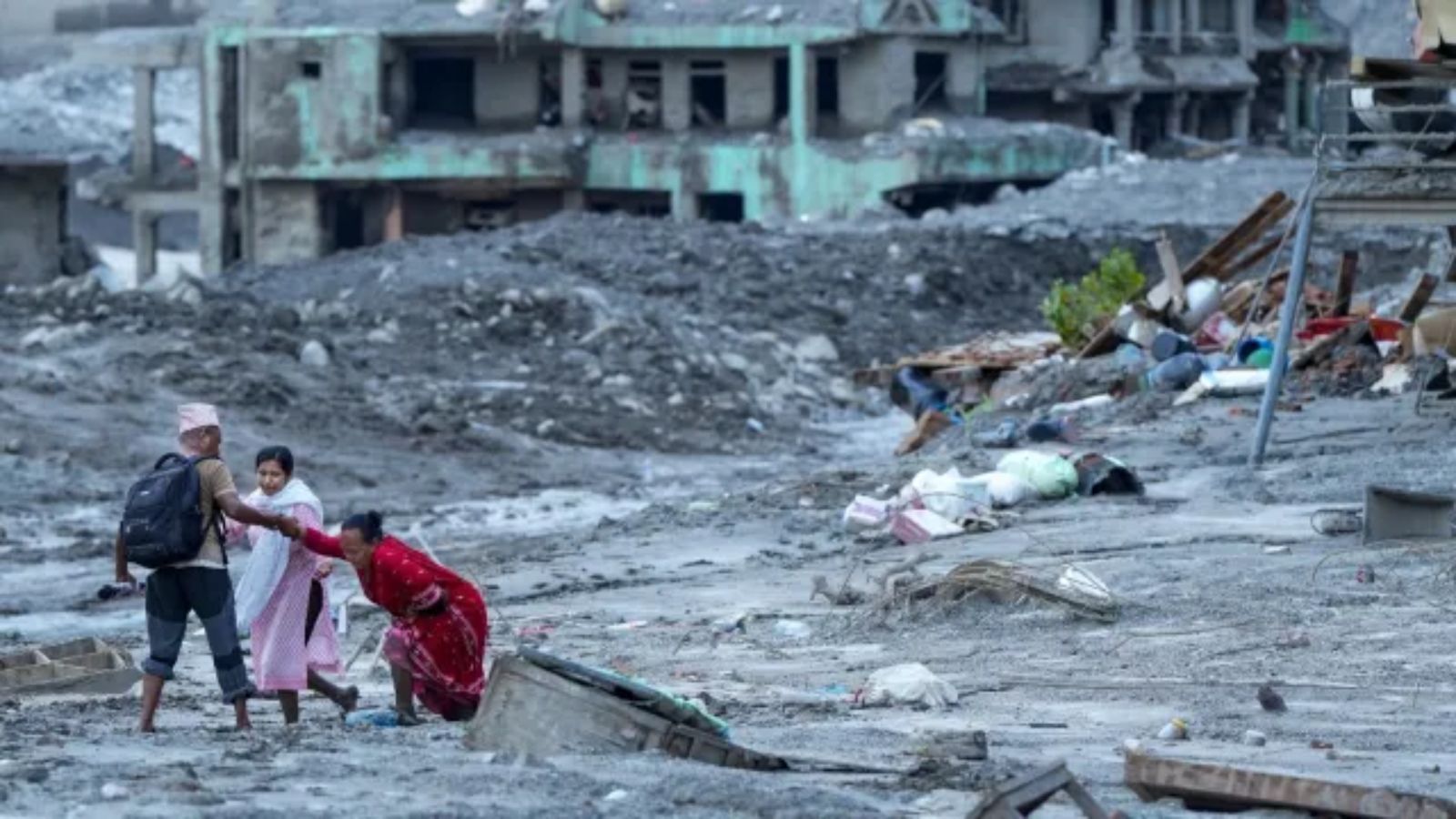
Maharashtra Mountaineers Join Search for Missing Nepal Trekkers
