

2 hrs ago
Supreme Court Urges CBSE to Defer Three-Language Rollout

The CBSE wants students to learn three languages in some school classes.
At least two of those languages must be native Indian languages.
The Supreme Court asked CBSE to wait until 2027 before starting this rule for Class 6 students.
The court said waiting could make things easier for children.
Students who want to learn three languages earlier may still be allowed to do so.
CBSE has not made a final decision on the suggested delay.
The rule is connected to India’s national education plans.
Students will not have a Class 10 board exam for the third language.

The Supreme Court urged CBSE to defer the Class 6 three-language policy until the 2027 academic session.
CBSE said it would consider the suggestion and submit a fresh note to the court.
The policy requires three languages, including at least two native Indian languages, for specified classes.
The policy is linked to the National Education Policy-2020 and the National Curriculum Framework for School Education-2023.
The CBSE circular says no Class 10 board examination will be held for the third language, R3.
- Who
- The Supreme Court, the Central Board of Secondary Education, the Centre, and students affected by the policy.
- What
- The Supreme Court urged CBSE to defer implementation of the three-language policy for Class 6 until the 2027 academic session.
- Where
- The matter is being considered by the Supreme Court of India in relation to CBSE schools.
- When
- The suggestion was made on Thursday; the CBSE circular separately sets July 1, 2026, for the three-language requirement in Class 9.
- Why
- The court said deferral could comfort children and reduce pressure, while the policy is intended to align studies with national education frameworks.
Defer Implementation
Proceed Under Current Policy
Implementation timeline
Defer Implementation
The Supreme Court suggested waiting until the 2027 academic session for Class 6, saying this could comfort children and reduce pressure.
Proceed Under Current Policy
The CBSE circular provides a rollout framework, including a three-language requirement for Class 9 from July 1, 2026, and allows students who wish to study three languages earlier to do so.
Policy rationale
Defer Implementation
The court is considering a plea challenging the policy and indicated that the substantive issues may be decided later.
Proceed Under Current Policy
The Centre and CBSE say the policy is being aligned with the National Education Policy-2020 and the National Curriculum Framework for School Education-2023.
Key facts
- Suggested Class 6 rollout
- 2027 academic session
- Languages required
- Three languages, including at least two native Indian languages
- Classes covered
- The policy addresses Class 6 and Class 9, with relaxations for some students in Classes 7, 8, and 9
- Class 9 effective date
- July 1, 2026
- Foreign-language option
- A foreign language may be studied only as the third or an additional fourth language after two native Indian languages
- Third-language examination
- No Class 10 board examination will be conducted for R3
- CBSE response
- CBSE said it would consider the suggestion and return with a fresh note
Quotes
Justice Joymalya Bagchi
Supreme Court judge who suggested postponing the policy's implementation.
“just to comfort the children, the CBSE should consider deferring the implementation of the three-language policy from the next academic year.”
 rediff.com
Central Board of Secondary Education
The education board that issued the three-language policy circular.
“Every student in Class 9 would study three languages. Out of the three languages, at least two would be Bhartiya Bhashas.”
rediff.com
Sources

Related news
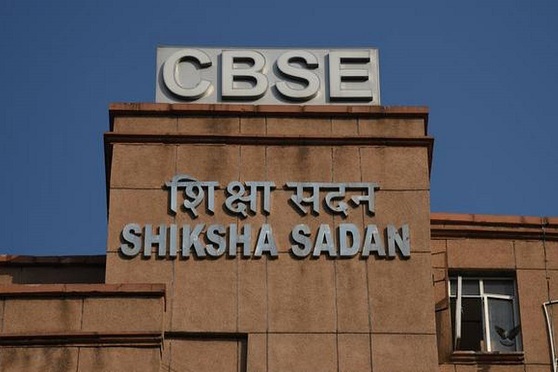
Supreme Court Questions CBSE Three-Language Policy Rollout

Supreme Court Urges CBSE Review Three-Language Policy, Ease Pressure
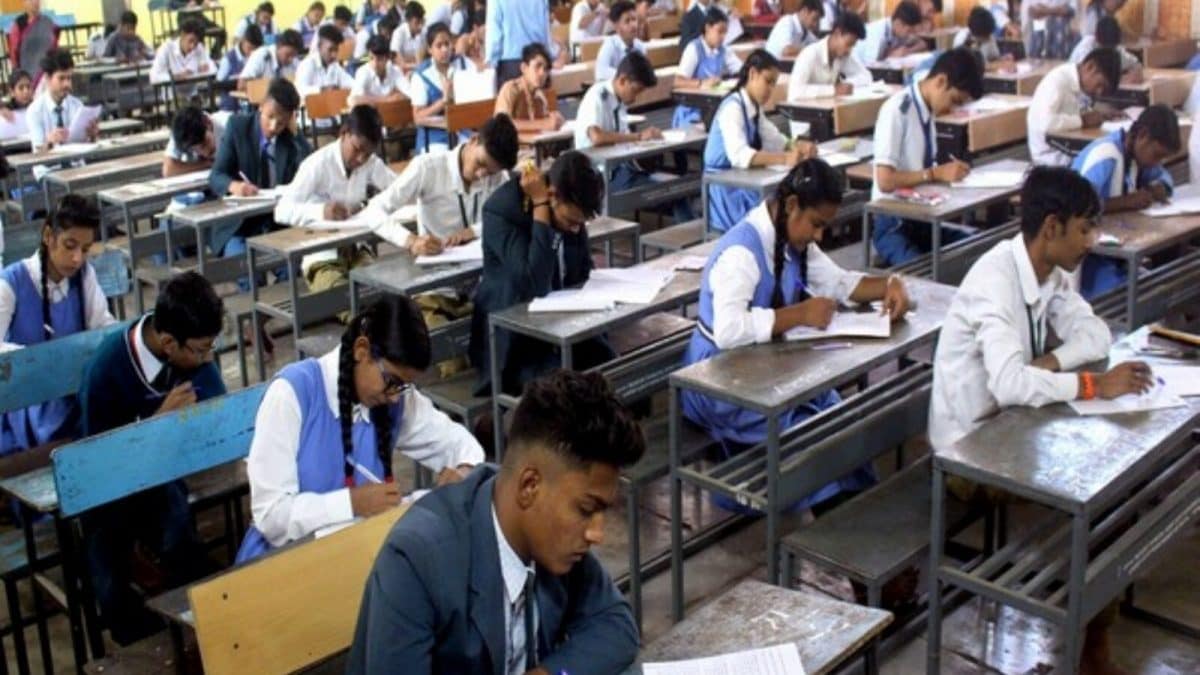
Centre Develops CBSE Three-Language Policy Implementation Plan

Supreme Court Asks CBSE to Revisit Three-Language Policy Rollout
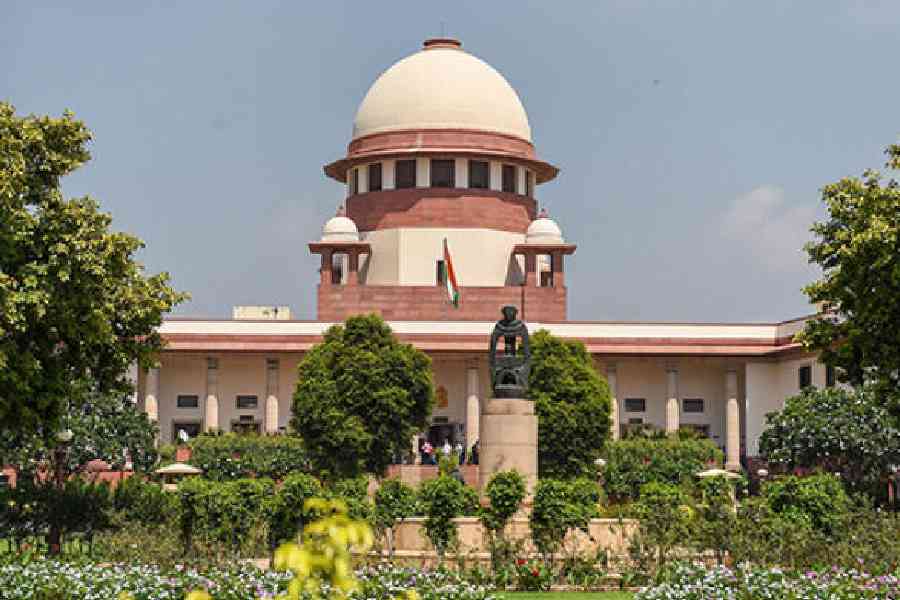
Supreme Court Seeks Class VI Exemption From CBSE Language Policy

Supreme Court Questions Pace and Design of CBSE Language Policy

Building Critical Thinking Among Teachers and Students Remains Challenging
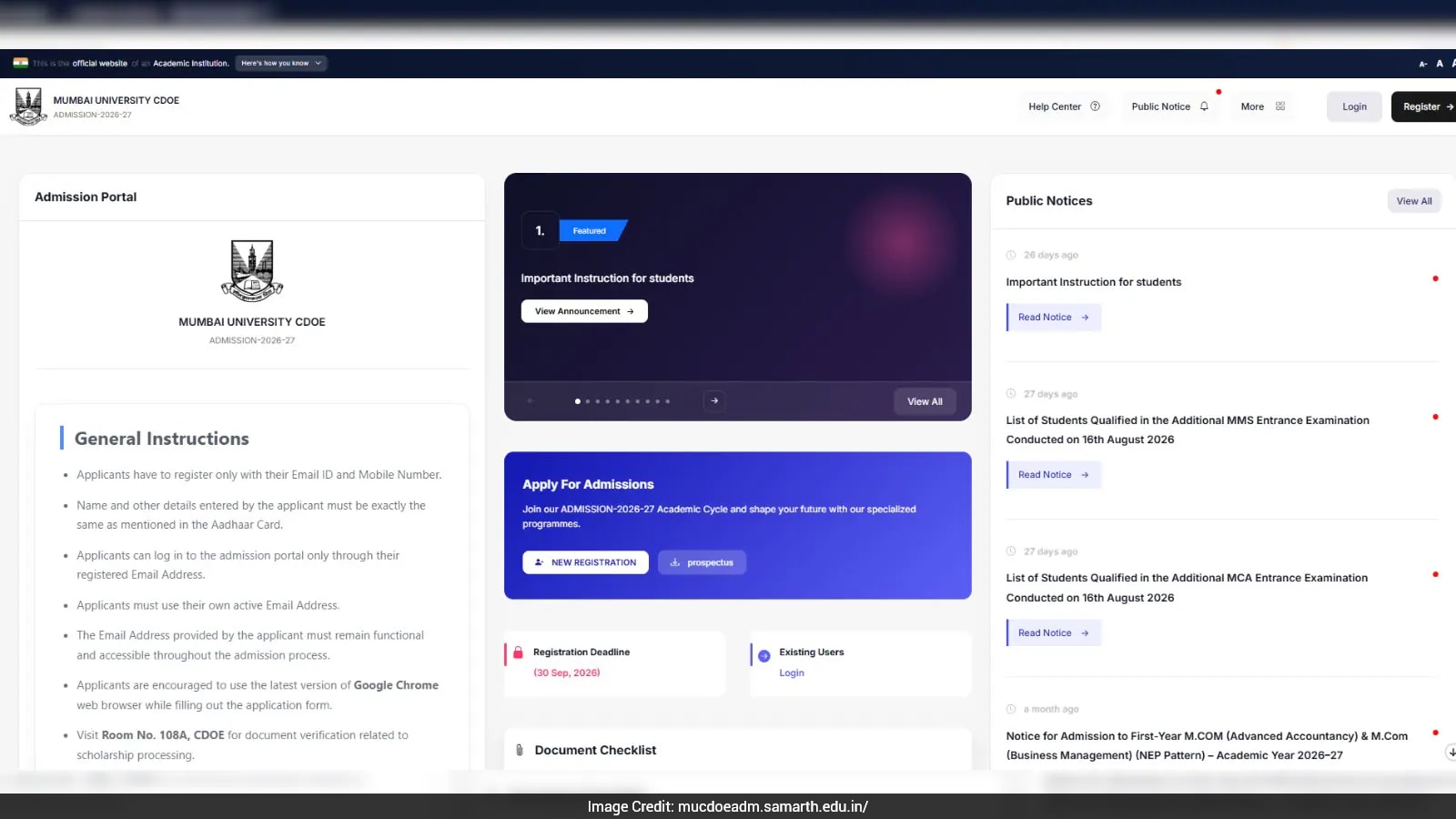
Mumbai University Extends CDOE Admissions Deadline to September 30

Delhi University Extends 2026 PhD Deadline for FYUP Students

AISA Flags Recruitment, Education and Unemployment Concerns in Uttar Pradesh
