

3 hrs ago
Building Critical Thinking Among Teachers and Students Remains Challenging

Critical thinking means carefully examining information before deciding what to believe or do.
It helps people ask questions, check evidence, and consider different answers.
Students can practice it through debates, projects, experiments, and real-life problems.
Teachers can improve it by reflecting on their lessons and studying what helps students learn.
Technology can provide useful information and learning tools.
However, students still need to check whether online information is trustworthy.
Artificial intelligence should support human thinking rather than replace it.
Schools may need to change exams and teaching methods to encourage more questioning.
The goal is to help students and teachers become thoughtful, independent, and responsible learners.

Critical thinking helps learners evaluate evidence, identify bias, solve problems, and make informed decisions.
Teachers can develop it through reflective teaching, action research, collaboration, and data-informed decisions.
Students can strengthen critical thinking through questioning, debates, projects, case studies, and inquiry-based learning.
Technology and artificial intelligence can support learning, but students must verify information and use AI responsibly.
Memorization-focused exams, overloaded curricula, large classes, and limited teacher training remain major barriers.
- Who
- Teachers and students in educational institutions, particularly higher education, are the focus; the article was written by Dr A K Sen Gupta.
- What
- The article explains the importance of critical thinking and presents methods for developing it among teachers and students.
- Where
- Educational institutions, especially higher-education settings.
- When
- The discussion is framed in the context of the twenty-first century and the National Education Policy 2020.
- Why
- Rapid technological change, artificial intelligence, abundant information, and complex social challenges require people to evaluate evidence and make reasoned decisions.
Key facts
- Core skill
- Critical thinking involves conceptualising, analysing, interpreting, evaluating, and synthesising information.
- Policy alignment
- The approach is aligned with the National Education Policy 2020.
- Teacher methods
- Reflective teaching, action research, professional learning communities, and data-driven decisions are recommended.
- Student methods
- Socratic questioning, problem-based learning, case studies, debates, projects, inquiry, and reflective writing are suggested.
- Technology
- Artificial intelligence, virtual laboratories, simulations, digital libraries, and data visualisation can support critical thinking.
- Major barriers
- Memorization-focused examinations, overloaded curricula, large classes, limited interaction, and insufficient teacher training hinder progress.
- Educational goal
- Institutions should embed critical thinking in curricula, teaching, assessment, and faculty development.
Quotes
Richard Paul and Linda Elder
Critical-thinking scholars cited for describing the concept.
“the art of analysing and evaluating thinking with the purpose of improving it.”
 freepressjournal.in
“reasonable and reflective thinking focused on deciding what to believe or do.”
freepressjournal.in
Sources
Related news

AI Reshapes Management Education as Critical Judgment Remains Essential

In AI Era, Indian Teachers Remain Central to Education

How Art and Photography Build Creativity and Critical Thinking

AI Should Support Understanding, Not Replace Independent Thinking

Reading and Critical Thinking Remain Essential in the AI Age

Bharati Vidyapeeth Urges Quality Education Over Student Numbers

Supreme Court Urges CBSE to Defer Three-Language Rollout
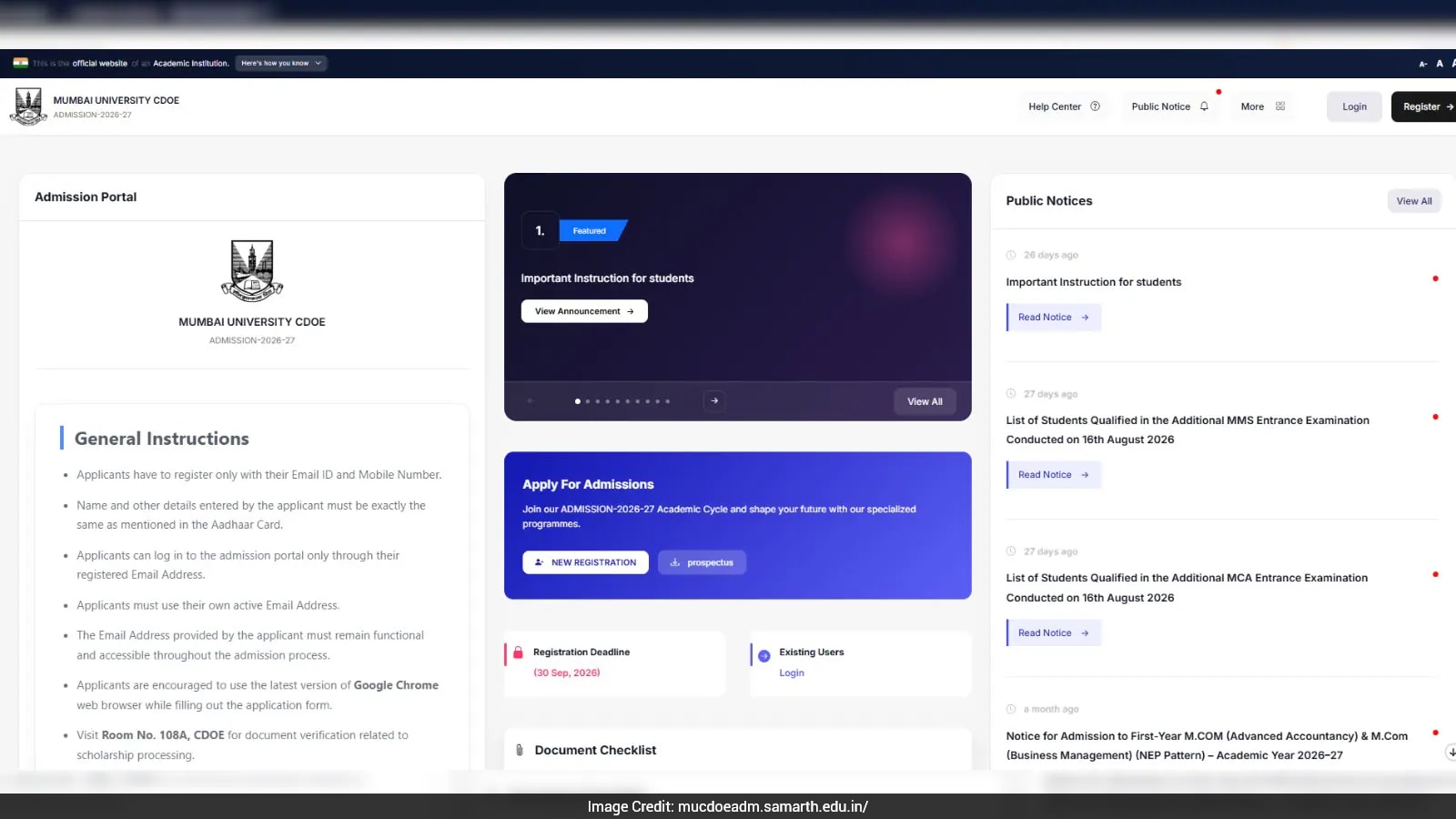
Mumbai University Extends CDOE Admissions Deadline to September 30

Delhi University Extends 2026 PhD Deadline for FYUP Students

AISA Flags Recruitment, Education and Unemployment Concerns in Uttar Pradesh
