1 day ago
The Economist Faces Pushback Over India's Wildlife Conservation Praise
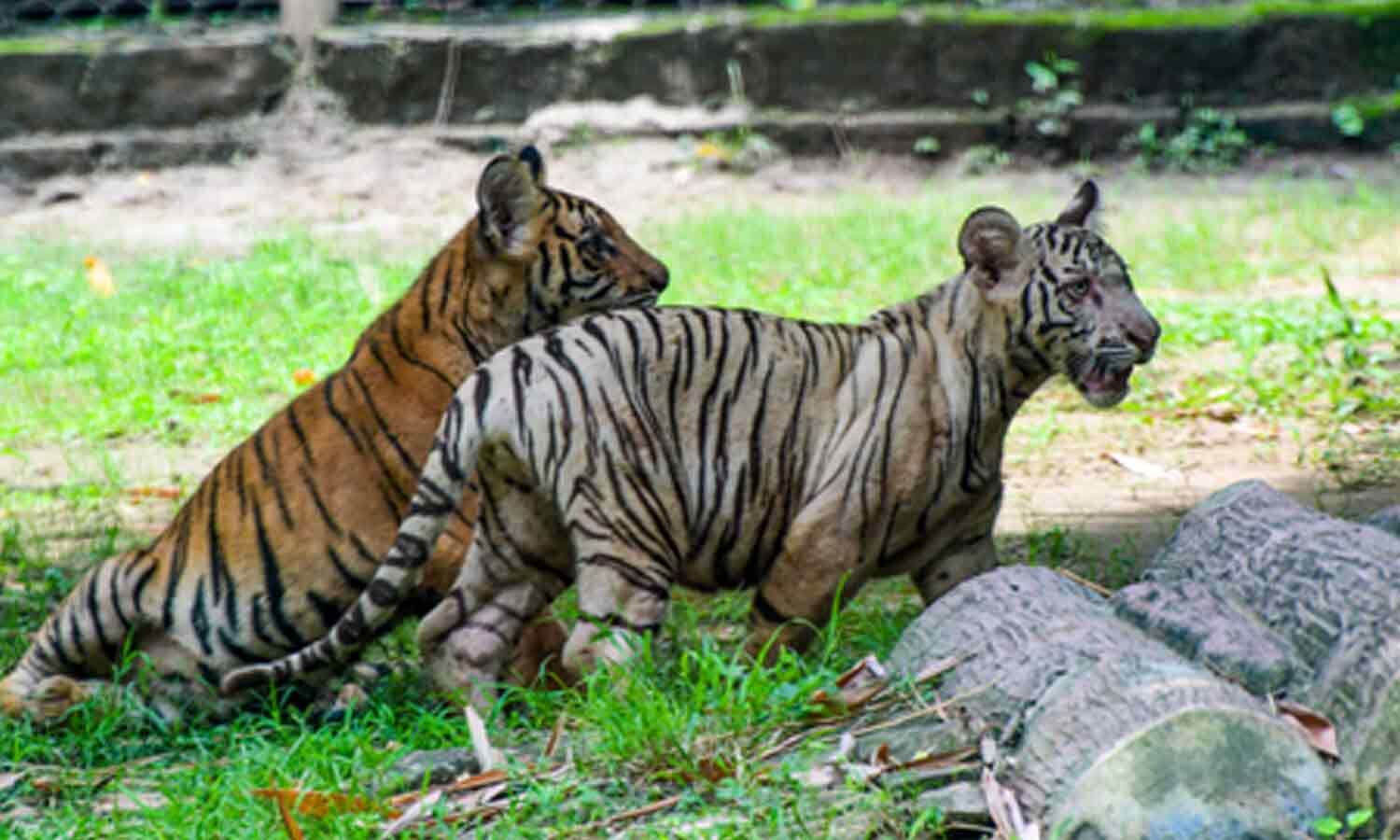
The Economist wrote about India's work to protect wildlife.
It praised projects for animals such as tigers, elephants and rhinos.
But it also called India relatively poor and said it had limited state capacity.
Several people said this description sounded patronising and was not needed to praise conservation.
Some critics also pointed to India's history and its long-standing relationship with nature.
Parveen Kaswan said the article recognized important work but that the wording took away from it.
Erik Solheim praised the efforts, while other comments highlighted India's cultural ties to wildlife.
A 2022 survey estimated that India had 3,682 tigers, nearly 70% of the world's wild tigers.

The Economist praised India's wildlife conservation, including efforts to protect tigers, elephants, dolphins, rhinos and Asiatic lions.
The article called the work extraordinary while describing India as relatively poor and having limited state capacity.
Critics including Smita Deshmukh, Niveditha Panda, Neha Sinha and Nirupama Menon said the wording was patronising or irrelevant to the conservation achievement.
Parveen Kaswan welcomed recognition of India's conservation work but said unrelated criticism diminished it; Erik Solheim praised the efforts.
India's 2022 tiger assessment estimated 3,682 tigers, nearly 70% of the global wild population, after more than doubling since 2006.
- Who
- The Economist, Indian conservation advocates and officials, and Norway's former Climate and Environment Minister Erik Solheim.
- What
- The magazine praised India's wildlife conservation efforts but drew criticism for describing India as relatively poor with limited state capacity.
- Where
- The article concerned wildlife conservation in India; responses were posted on X.
- When
- The article was published October 4; social media reactions cited in the reports appeared October 5 and 6, 2026.
- Why
- Critics said the economic description was patronising, unrelated to conservation, or diminished India's achievement.
Criticism of the framing
Praise for conservation
Whether the economic description was appropriate
Criticism of the framing
Critics said calling India relatively poor or highlighting limited state capacity was patronising, irrelevant to wildlife conservation, and diminished the achievement.
Praise for conservation
The Economist's article praised the conservation effort as extraordinary and said it offered lessons for other environmental work.
How to explain India's conservation work
Criticism of the framing
Several critics emphasized India's history, cultural relationship with nature, and people's compassion, arguing that conservation should not be treated as surprising because of income levels.
Praise for conservation
Erik Solheim praised India's animal protection efforts, and the article cited public sentiment and Hindu ideas about humans being part of nature as factors in conservation.
Key facts
- Publication
- The Economist
- Article date
- October 4
- Conservation initiatives mentioned
- Project Tiger, Project Elephant, Project Snow Leopard, Project Dolphin and Project Rhino
- Phrase criticized
- India was described as a relatively poor country with limited state capacity.
- 2022 tiger estimate
- 3,682 tigers across 20 states
- Share of global wild tigers
- Nearly 70%, according to the article
- Survey coverage
- More than 641,000 kilometres surveyed on foot
- Change in tiger population
- India's scientifically assessed tiger population more than doubled since 2006.
Quotes

Nirupama Menon Rao
India's former foreign secretary.
“Nations do not acquire compassion with wealth. It is hardly a luxury acquired with better living standards. It is intrinsic to you as a person, rich or poor. Why wear an expression of patronising surprise when a relatively poorer country than yours, effectively conserves and preserves its precious wildlife? The measure of moral imagination is not per capita income.”
 thehansindia.com
“The Economist needs a lesson in history on how India lost nearly 95% of its tiger population and why it had to launch the Project tiger for conservation & about our economic condition.”
 freepressjournal.in
Sources
Related news

India Expands Conservation Network Amid Concerns Over Habitat Protection

Foreign Media Coverage of BRICS Summit Draws India Bias Criticism
Modi Praises India’s Rhino Conservation Efforts on World Rhino Day
Wildlife Populations Fall 73% as India Records Gains

UPSC Key Covers Semiconductors, Sanctions, Glaciers and Global Economic Risks

British Tourist Challenges Racist Stereotypes About India Online

New India Foundation Announces Ten-Book Longlist for 2026 Prize
BRICS Declaration Hailed as Diplomatic Breakthrough for India
India Balances BRICS Reform With China’s Greater BRICS Push