1 hr ago
BRICS Declaration Hailed as Diplomatic Breakthrough for India

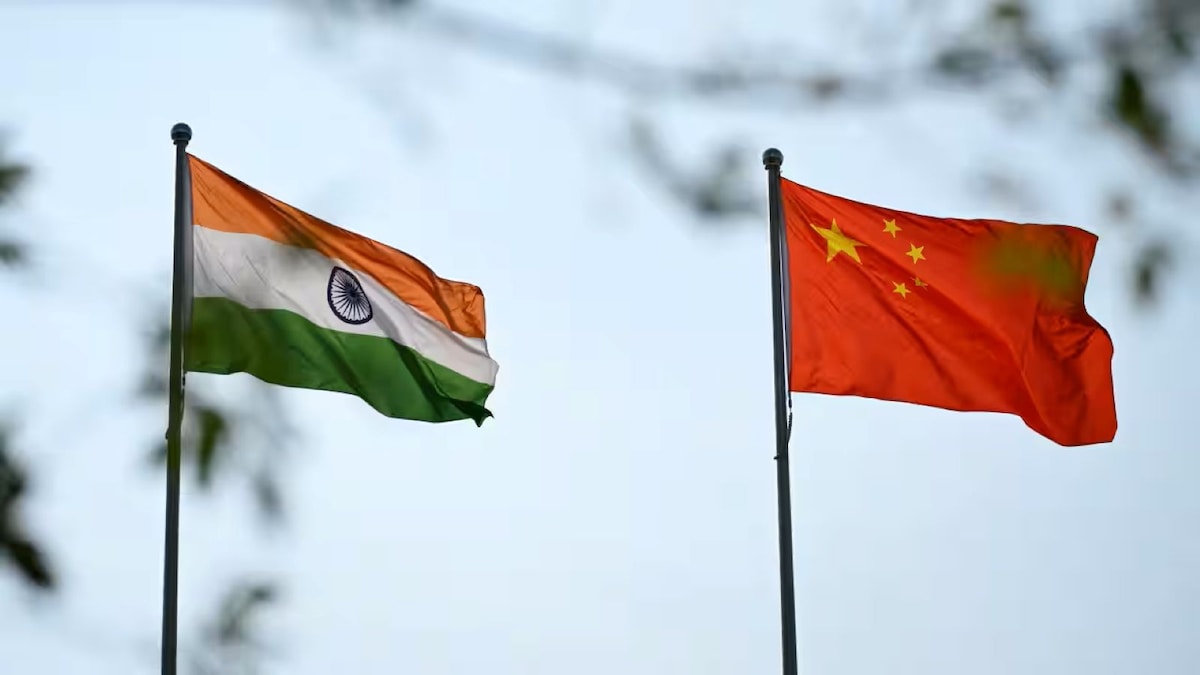
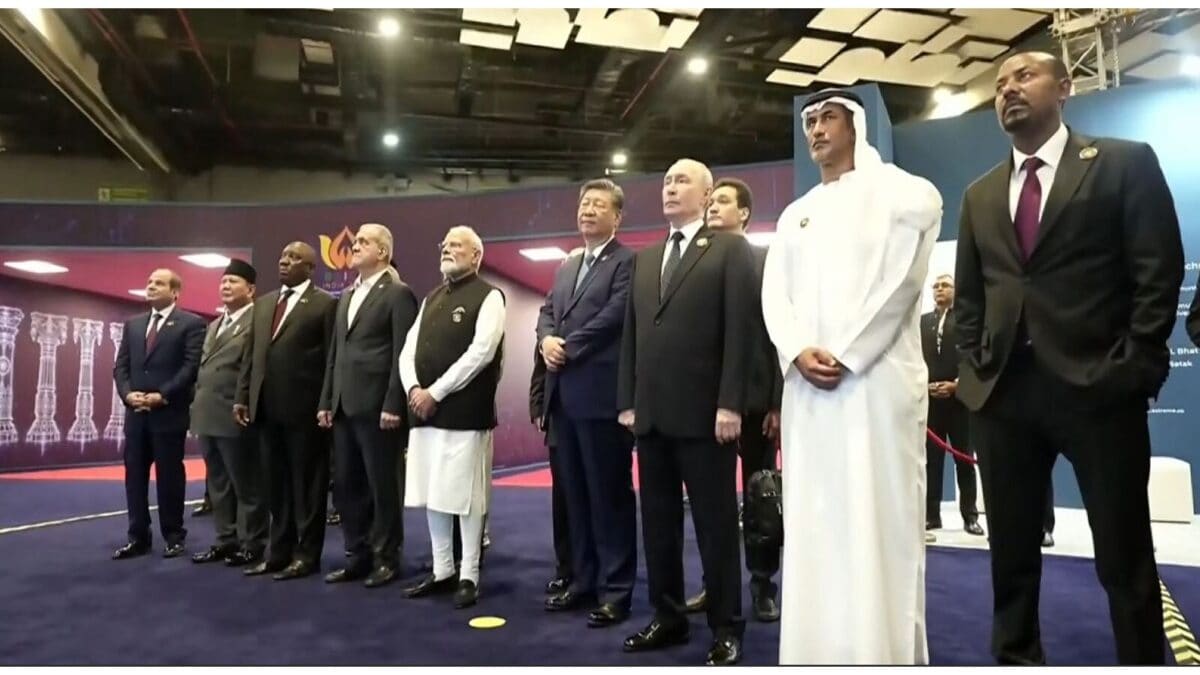
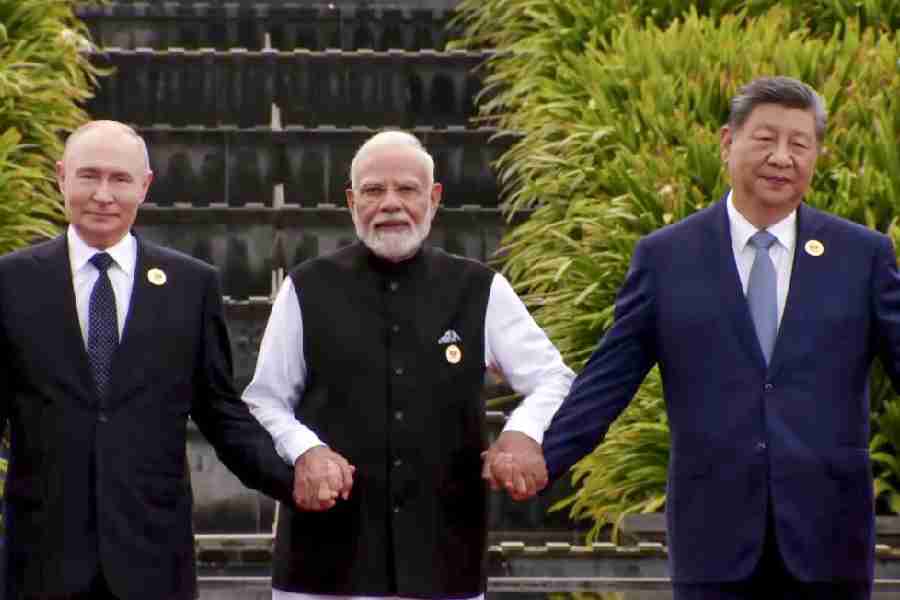
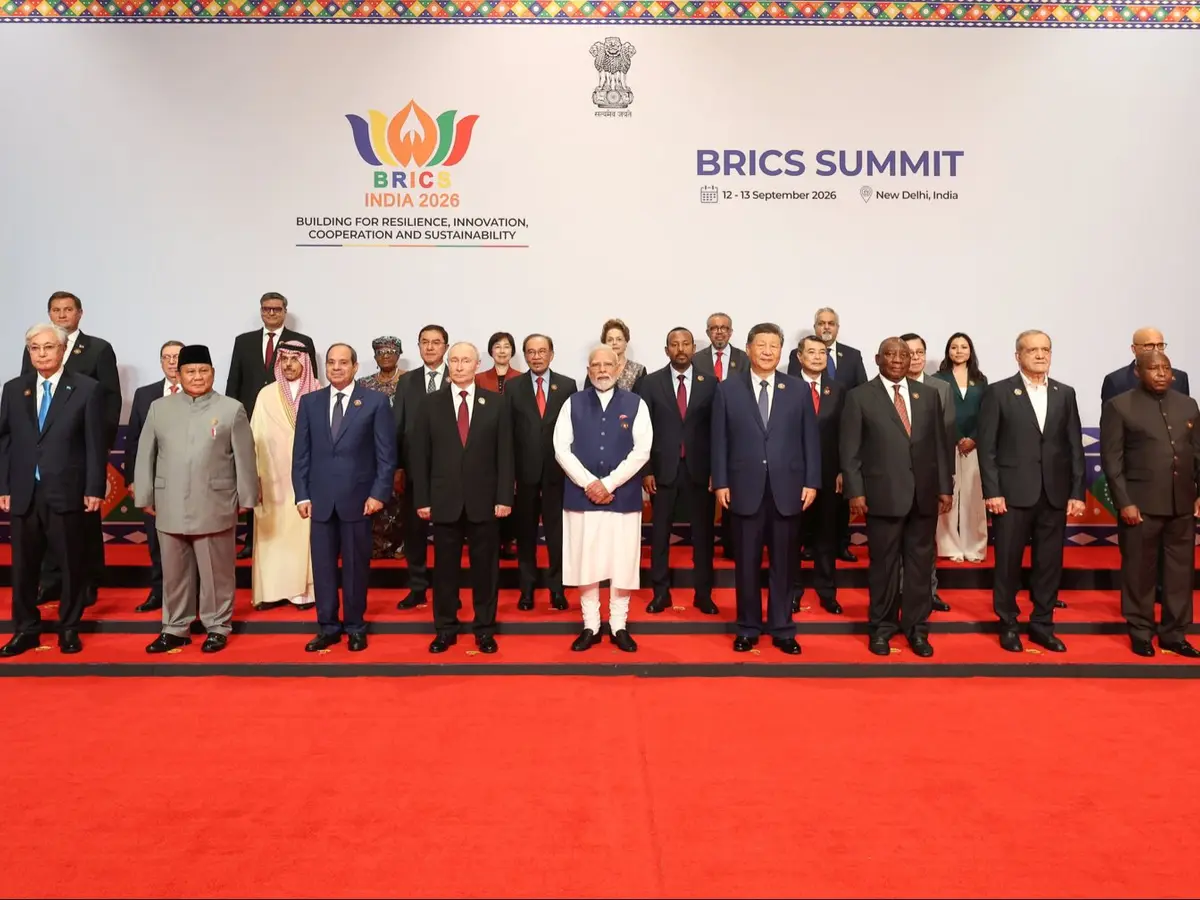
BRICS countries agreed on a joint statement during a summit led by India.
The agreement was difficult because Iran and the United Arab Emirates had different views about the West Asia conflict.
Experts said India helped bring the countries together through talks and diplomacy.
The statement asked countries to show maximum restraint and avoid making the conflict worse.
It also strongly condemned the Pahalgam terror attack.
The BRICS countries supported India’s position that all forms of terrorism should be opposed.
One expert said BRICS is not against Western countries, even though it is a non-Western grouping.
The statement focused on practical cooperation rather than creating a common currency or ending the use of the dollar.
Analysts described the agreement as an important diplomatic achievement for India.

BRICS adopted the New Delhi Declaration by consensus on September 12 after difficult negotiations involving Iran and the United Arab Emirates.
Experts said India’s chairship and bilateral diplomacy helped secure agreement despite divisions over the West Asia conflict.
The declaration called for maximum restraint and opposed actions that could further aggravate the conflict.
BRICS leaders strongly condemned the Pahalgam terror attack and backed India’s call for zero tolerance toward terrorism.
Analysts said the grouping remained non-Western rather than explicitly anti-Western, with no common currency or major de-dollarisation pledge announced.
- Who
- BRICS member countries, Indian officials and strategic affairs experts, including Veena Sikri, Nirupama Menon Rao and Vishal V Sharma.
- What
- BRICS adopted the New Delhi Declaration by consensus and endorsed positions on the West Asia conflict, terrorism and international cooperation.
- Where
- At the BRICS Summit in New Delhi, India; negotiations also involved disagreements concerning West Asia.
- When
- The declaration was adopted on September 12; the assessment was reported from New Delhi on September 14.
- Why
- India sought consensus during its chairship, while members addressed the West Asia conflict, terrorism and the role of the Global South.
Breakthrough Advocates
Cautious Interpreters
India’s diplomatic achievement
Breakthrough Advocates
Veena Sikri and Vishal V Sharma described the consensus as a major diplomatic breakthrough and an endorsement of India’s global leadership.
Cautious Interpreters
Nirupama Menon Rao agreed that India secured consensus but said it required carefully generalised language because of sharp internal differences.
BRICS’s relationship with the West
Breakthrough Advocates
Supporters emphasized that the declaration showed BRICS can strengthen a multipolar world and give the Global South greater agency.
Cautious Interpreters
Rao stressed that India supports a non-Western grouping, not an explicitly anti-Western one, and resisted turning the summit into an anti-American platform.
Scale of economic change
Breakthrough Advocates
The declaration was presented as advancing practical cooperation through national-currency settlements, payments, supply chains, health, food and energy security.
Cautious Interpreters
Rao noted that the summit did not produce a common BRICS currency or a dramatic commitment to de-dollarisation.
Key facts
- Declaration
- New Delhi Declaration
- Adoption
- Adopted by consensus on September 12
- Key dispute
- Sharp differences between Iran and the United Arab Emirates over the West Asia conflict
- Conflict language
- Leaders called for maximum restraint and avoidance of actions that could worsen the situation
- Terrorism
- BRICS strongly condemned the Pahalgam terror attack and backed zero tolerance toward terrorism
- Economic focus
- National-currency settlements, faster cross-border payments and resilient supply chains
- What was absent
- No common BRICS currency or dramatic de-dollarisation declaration was announced
Quotes

Nirupama Menon Rao
Former Indian foreign secretary
“BRICS is an alignment for the future, which means stronger partnership in a multipolar world. So, I think this has been a tremendous acknowledgment of India’s global leadership, and it has come at a very crucial time, which shows that the countries in the world want stability.”
 theprint.in
“New Delhi clearly sees value in a grouping that is non-Western, but little advantage in allowing it to become explicitly anti-Western.”
theprint.in
Sources
Related news
India Secures Unanimous BRICS Declaration After Overnight Diplomacy
BRICS Reaches New Delhi Consensus Despite Iran-UAE Divisions
BRICS Adopts New Delhi Declaration Despite West Asia Divisions
BRICS Summit Shows Expanded Bloc Can Still Reach Consensus

BRICS Nations Reach Consensus on Iran War, Declaration Nears

BRICS Reaches Reported Consensus After India-Led Talks Until 4 AM
BJP Leads Rajasthan Civic Polls as Congress Wins Bikaner
Bihar Announces Two-Day Hindi Literature Gathering in Patna

BJP MP Says Jaipur Voters Backed Party on Ganesh Chaturthi
Rajasthan Urban Polls: BJP Leads, Congress Challenges Delimitation