4 hrs ago
UPSC Key Covers Semiconductors, Sanctions, Glaciers and Global Economic Risks
This UPSC study guide explains important news from India and around the world.
India is trying to become a trusted place for making computer chips.
A small wild cat in Bolivia was recognized as a new species after scientists studied its genes.
A proposed United States law could make countries pay high tariffs if they buy Russian oil.
The Himalayan region provides water that supports farms, cities, industries and power generation in India.
Melting glaciers could make this water supply less reliable over time.
Five orangutans found in Odisha may have been illegally traded and could be returned to Indonesia if investigations support that conclusion.
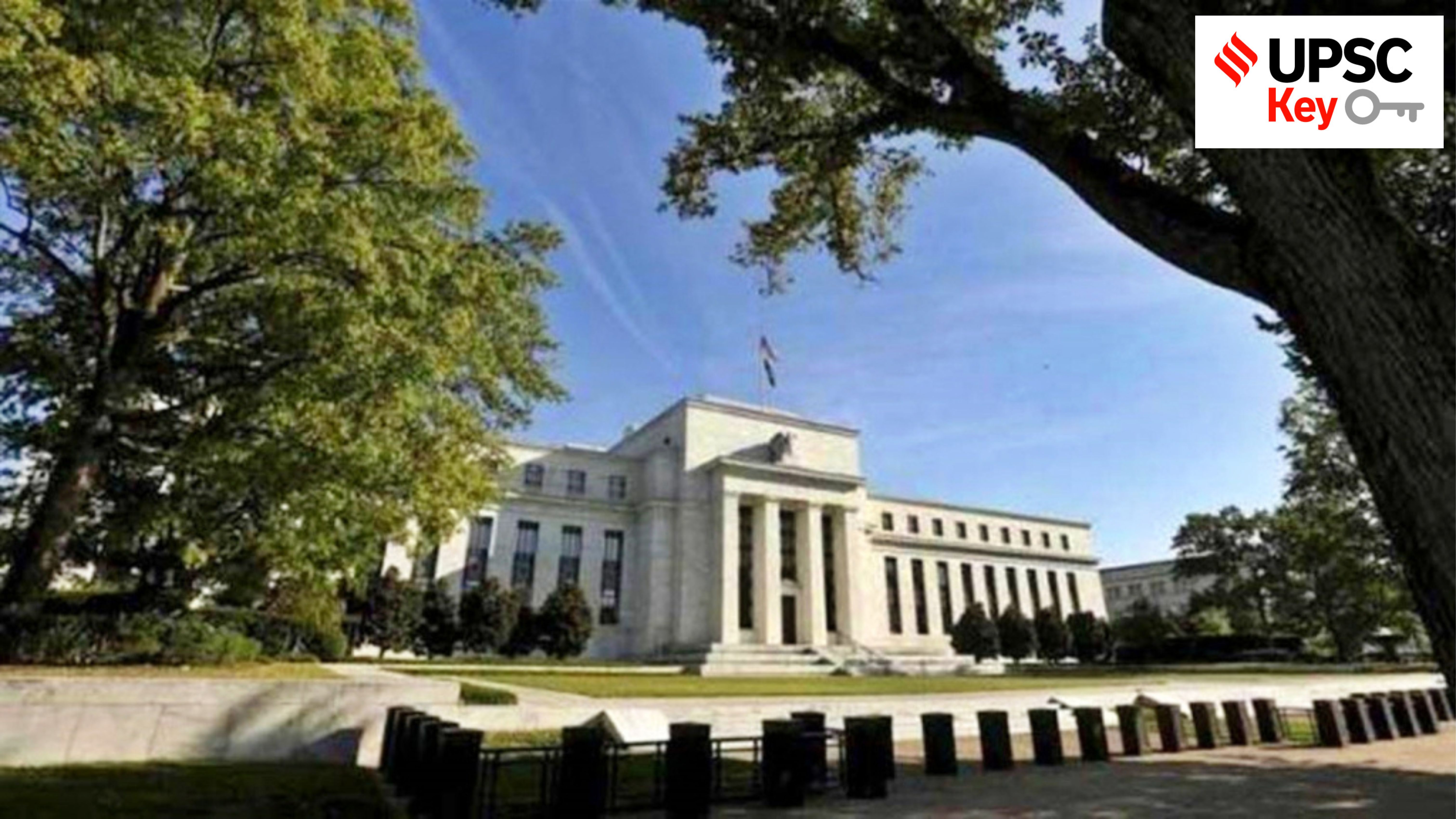
The guide also discusses why governments should release economic data and how interest-rate decisions in the United States may influence India.
These topics are relevant to civil-services examinations because they connect science, geography, economics, environment, law and international relations.

India’s Semicon 2.0 programme will expand support beyond chip factories to design, equipment, materials, research and skilled workers.
A newly identified Bolivian tiger cat, Leopardus tilcayo, was distinguished from related species through genetic analysis.
A proposed United States law could impose tariffs of up to 100% on countries buying Russian oil and natural gas, potentially affecting India.
A report estimates that economic activity equivalent to 21.5% of India’s FY24 GDP depends on Himalayan resources and river systems.
The study material examines glacial retreat, wildlife repatriation, official statistics, Federal Reserve policy and a possible Reserve Bank of India rate hike.
- Who
- The material discusses the Government of India, Narendra Modi, the United States Federal Reserve, the Reserve Bank of India, international researchers, and environmental and wildlife authorities.
- What
- It is a September 18, 2026 UPSC current-affairs key covering semiconductors, biodiversity, economic data, sanctions, Himalayan glaciers, wildlife trade and interest rates.
- Where
- The developments involve India, Bolivia’s Yungas region, the Himalayas, the United States, Russia, Indonesia and global markets.
- When
- September 18, 2026, with references to developments and forecasts extending into 2027 and 2100.
- Why
- The topics are presented because they have relevance to UPSC Civil Services Preliminary and Main Examination syllabi.
Arguments for disclosure and policy action
Concerns about consequences and uncertainty
Release of official statistics
Arguments for disclosure and policy action
Publishing household consumption and other official data can improve transparency, allow independent scrutiny and strengthen public confidence.
Concerns about consequences and uncertainty
Critics may question data quality, methodology and comparability, especially when surveys or national-account series use different approaches.
Sanctions on Russian energy buyers
Arguments for disclosure and policy action
Supporters view tariffs and sanctions as tools to pressure Russia and discourage purchases of its energy exports.
Concerns about consequences and uncertainty
India’s energy security, dependence on imported crude and global supply constraints could make a rapid reduction in Russian oil purchases difficult and economically costly.
Interest-rate increases
Arguments for disclosure and policy action
Higher policy rates may help central banks contain persistent inflation and prevent price pressures from becoming entrenched.
Concerns about consequences and uncertainty
Rate increases can raise borrowing costs and slow economic activity; India’s eventual decision depends on domestic inflation, growth and external conditions.
Key facts
- Semicon 2.0 allocation
- Rs 1.27 lakh crore
- Semiconductor projects
- 12 projects were approved under the first phase; three had begun commercial production.
- New cat species
- Leopardus tilcayo was identified in Bolivia’s Yungas cloud forests.
- Himalayan economic dependence
- The report estimates that Rs 64.8 lakh crore, or 21.5% of India’s FY24 GDP, depends on the Himalayas.
- Glacier projection
- The Hindu Kush Himalaya could lose up to 80% of its present glacier volume by 2100 on current trajectories.
- Proposed Russia sanctions
- The United States bill could authorize tariffs of up to 100% on countries purchasing Russian oil and natural gas.
- India inflation and rates
- India’s August CPI inflation was reported at 4.82%, while the RBI was increasingly expected to consider a 25-basis-point hike in October.
Quotes

Narendra Modi
Prime Minister of India speaking at SEMICON India 2026
“The world needs new and trusted locations for chip manufacturing and India is preparing itself for this.”
 indianexpress.com
“I urge industry leaders to lead R&D in the country.”
indianexpress.com
Systemiq report
Global consultancy report on Himalayan economic dependence
“The rivers that carry risk downstream also carry the water that sustains India’s economy: wheat and rice across the Indo-Gangetic plain, tea in Assam and Bengal, hydropower in the Northeast, and pilgrimage economies in downstream towns.”
indianexpress.com
Sources
Related news
UPSC Weekly Current Affairs: Environment, Diplomacy, Defence and Economy
UPSC Key Highlights Nepal Floods, Rights, Defence, Nuclear Energy

UPSC Key Tracks Talking Cars, Glaciers, Treaties And Growth
UPSC Key Highlights Defence, Disasters, Economy and Governance
Naresh Vijayakrishna Honored in Goa for 55 Years
Scindia Launches ₹30.47-Crore Theme Road Project In Guna
BRICS 2026 Summit Draws Praise, Criticism and Trump’s Setback

Bengal Political Crisis Deepens Over Nandigram Assembly By-election
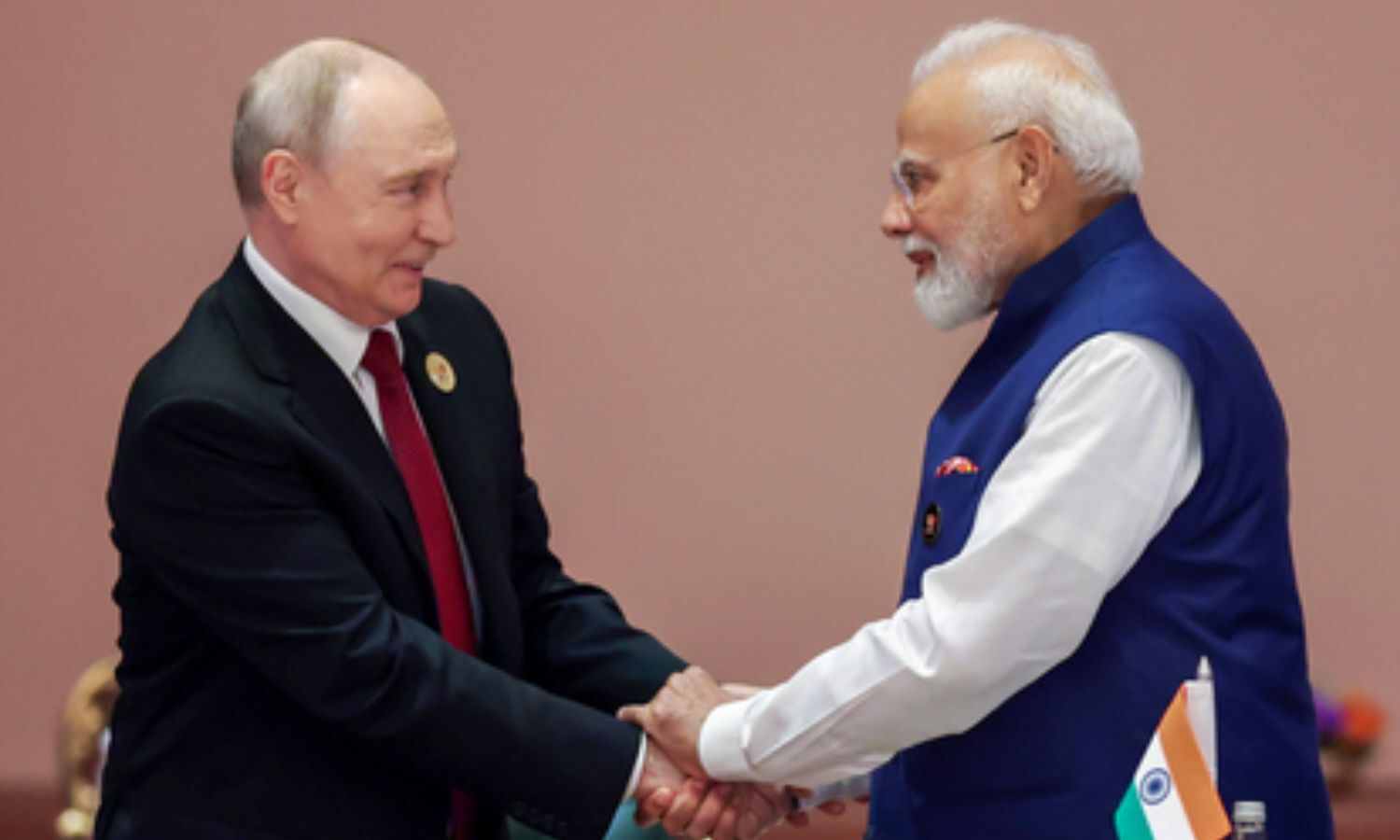
India and Russia deepen defence ties through technology sharing