1 week ago
India Expands Conservation Network Amid Concerns Over Habitat Protection

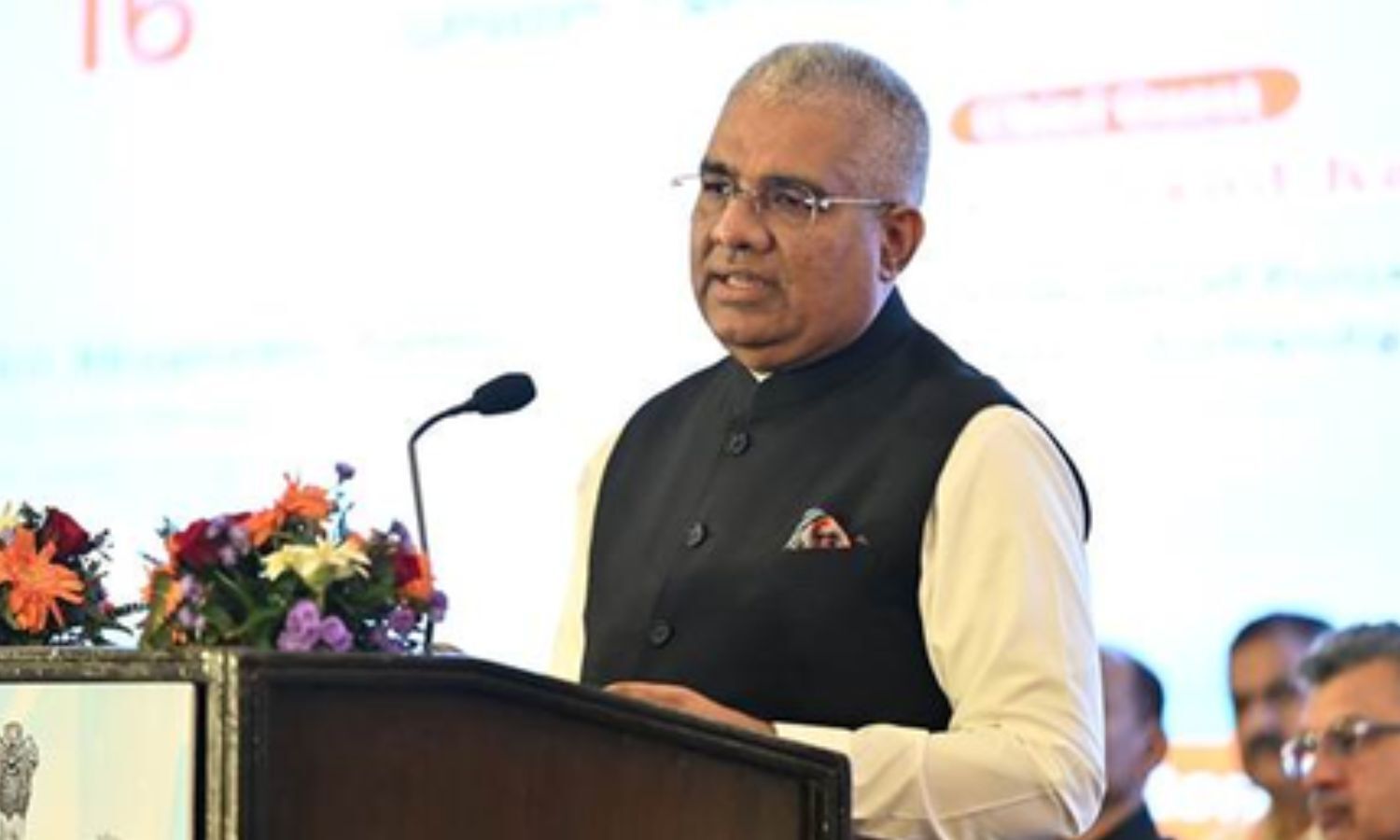
Environment Minister Bhupender Yadav said protecting wildlife is part of India’s laws and culture.
He spoke at a conservation conference in Jaipur.
India has added many more protected areas during the past 10 years.
The number of Ramsar wetland sites and tiger reserves has also grown.
Elephant reserves increased as well.
Scientists and other experts said naming a place as protected does not always keep it safe.
Some wetlands still face sewage, factory pollution and illegal building.
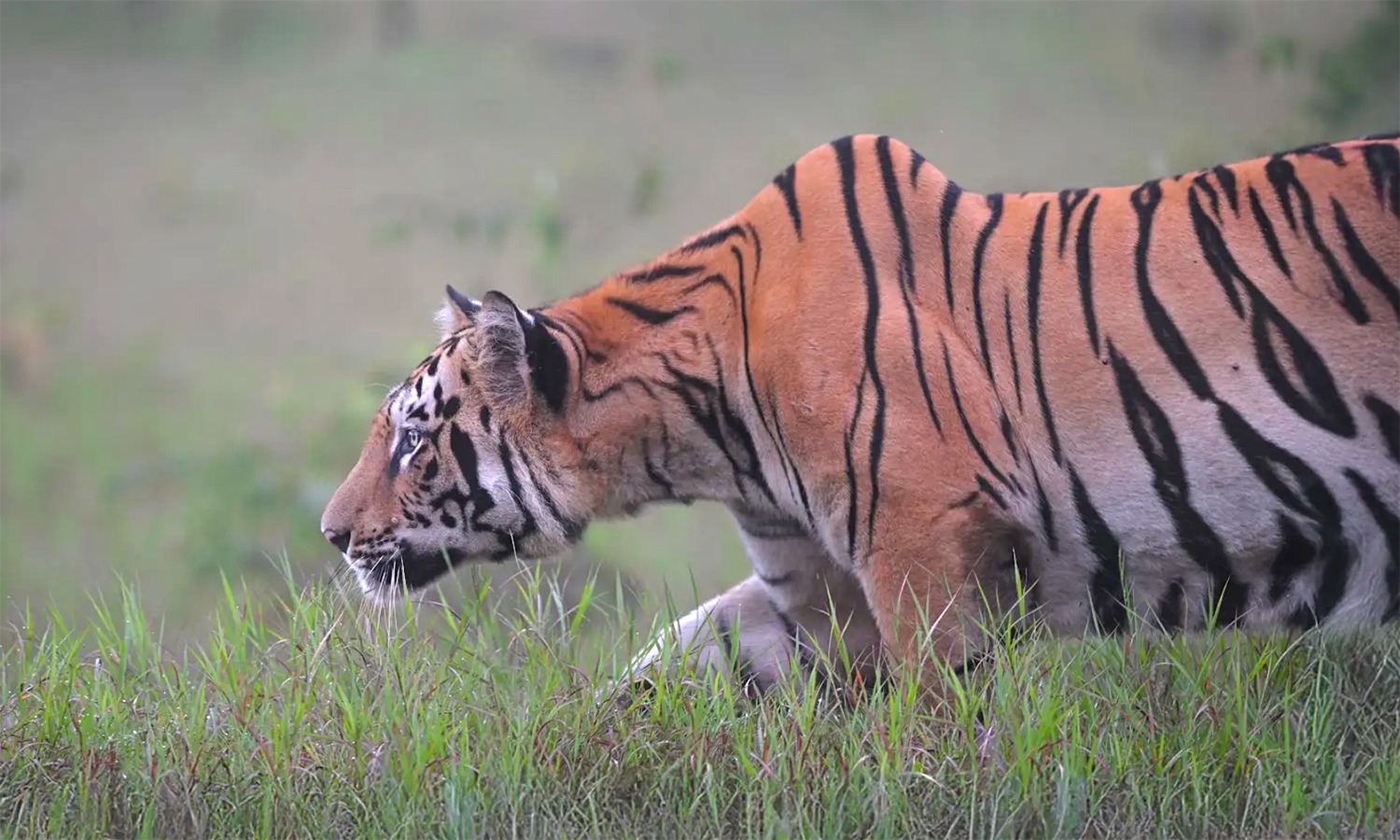
A tiger report found that many reserves do not have enough prey or suitable habitat.
Yadav said grasslands should receive more conservation attention, too.

Environment Minister Bhupender Yadav called species conservation both constitutional and cultural in India.
India’s protected areas reportedly grew from around 750 to more than 1,000 over the past decade.
Ramsar sites increased from 24 to 101, while tiger reserves rose from 47 to 58 and elephant reserves from 30 to 33.
Experts warned that protected-site designations do not guarantee safety from sewage, industrial pollution or illegal encroachment.
A National Tiger Conservation Authority report said nearly 60% of tiger reserves lack adequate prey or habitat conditions.
- Who
- Environment Minister Bhupender Yadav, conservation experts, the World Wide Fund for Nature and the National Tiger Conservation Authority.
- What
- India’s expansion of protected areas and wildlife reserves was discussed alongside concerns about whether those areas are effectively protected.
- Where
- The World Wide Fund for Nature Global Conservation Conference in Jaipur, India.
- When
- Monday, September 21; the reports also describe changes over the previous decade and a tiger-reserve report published in July.
- Why
- To highlight India’s conservation efforts and encourage stronger protection of wetlands, forests, grasslands, wildlife and habitats.
Conservation Expansion
Effectiveness Concerns
Growth of protected networks
Conservation Expansion
Bhupender Yadav cited the expansion of protected areas, Ramsar sites, tiger reserves and elephant reserves as evidence of India’s conservation efforts.
Effectiveness Concerns
Experts cautioned that formally declaring sites protected does not ensure effective conservation on the ground.
Tiger-reserve progress
Conservation Expansion
The increase from 47 to 58 tiger reserves was presented as a major expansion of India’s conservation framework.
Effectiveness Concerns
The National Tiger Conservation Authority reported that nearly 60% of reserves lack adequate prey or habitat conditions.
Wetland protection
Conservation Expansion
The increase from 24 to 101 Ramsar sites was cited as progress in recognizing and protecting wetlands.
Effectiveness Concerns
Several wetlands continue to face untreated sewage, industrial effluents and illegal land encroachment.
Key facts
- Protected areas
- Increased from around 750 to more than 1,000 over the past decade.
- Ramsar sites
- Increased from 24 to 101 in the last 10 years.
- Tiger reserves
- Increased from 47 to 58 over the past decade.
- Elephant reserves
- Increased from 30 to 33.
- Tiger-reserve conditions
- Nearly 60% reportedly lack adequate prey availability or adequate habitat conditions.
- Wetland threats
- Untreated urban sewage, industrial effluents and illegal land encroachment continue to pose risks.
- Additional priority
- Bhupender Yadav called for greater attention to grassland conservation.
Sources

Related news
Yadav Calls for Stronger Biodiversity Governance and Community Benefits
Bhupender Yadav Calls for More Vulture Safe Zones
India Offers 58 Tiger Reserves for Wild Tiger Safaris

Why Madhya Pradesh Has India’s Highest Wolf Population
India Links Rhino Recovery to Grassland Protection and Restoration
Wildlife Tourism Urged to Look Beyond Tiger Sightings

Jay Gupta Sees Brazil Friendlies Sparking Indian Football Revolution

Arunachal Chief Minister Frames Siang Project As National Security Initiative

AU Small Finance Bank’s MFIB Network Crosses 1,000 Branches

China Leads Asian Games Medal Tally After Day 10

DGCA Sets New Training Syllabus for Indian Gyroplane Pilots