1 week ago
Doctors Warn Against Unnecessary Antibiotics as Monsoon Illnesses Rise

Fever is a sign that something may be wrong, but it does not tell doctors exactly what the illness is.
Some fevers are caused by viruses, while others may come from bacteria or diseases such as dengue or malaria.
Antibiotics work against bacteria, not viruses.
Taking them when they are not needed can cause side effects and make some germs harder to treat later.
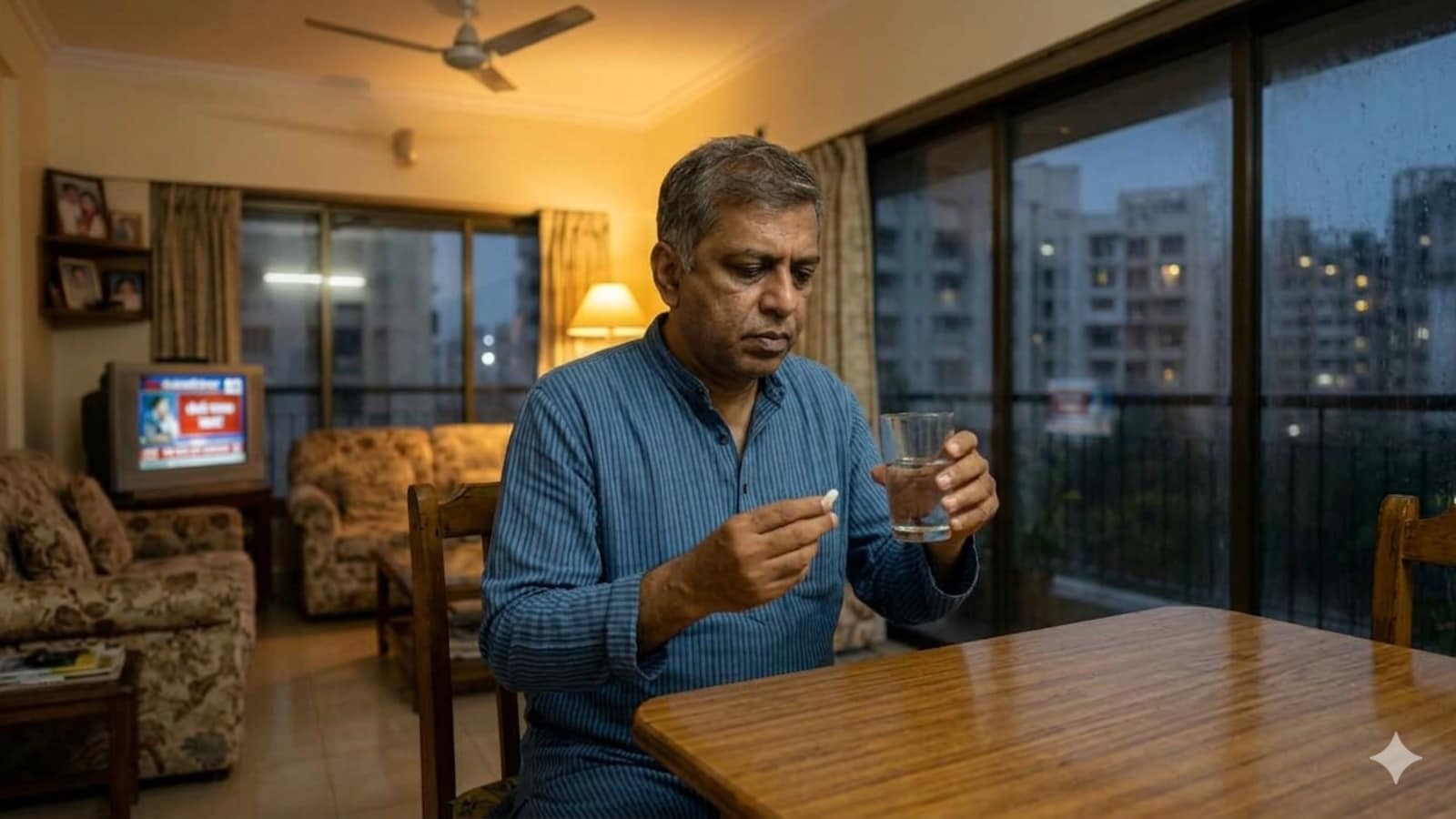
Doctors say people should not use leftover antibiotics or medicines prescribed for someone else.
They should also not change the dose or stop treatment without medical advice.
Doctors may use an examination and tests to find the cause of an illness.
Drinking enough fluids and receiving supportive care may be appropriate for some viral infections.
People with serious or worsening symptoms should seek medical help quickly.

Doctors say fever alone does not indicate a bacterial infection or justify antibiotics.
Monsoon-related illnesses can have overlapping symptoms, requiring clinical assessment and appropriate tests.
Unnecessary or incorrect antibiotic use can cause side effects and accelerate antimicrobial resistance.
Patients should not use leftover antibiotics, someone else’s prescription, or alter doses without medical advice.
Persistent or worsening fever and serious symptoms require prompt medical evaluation, especially for vulnerable people.
- Who
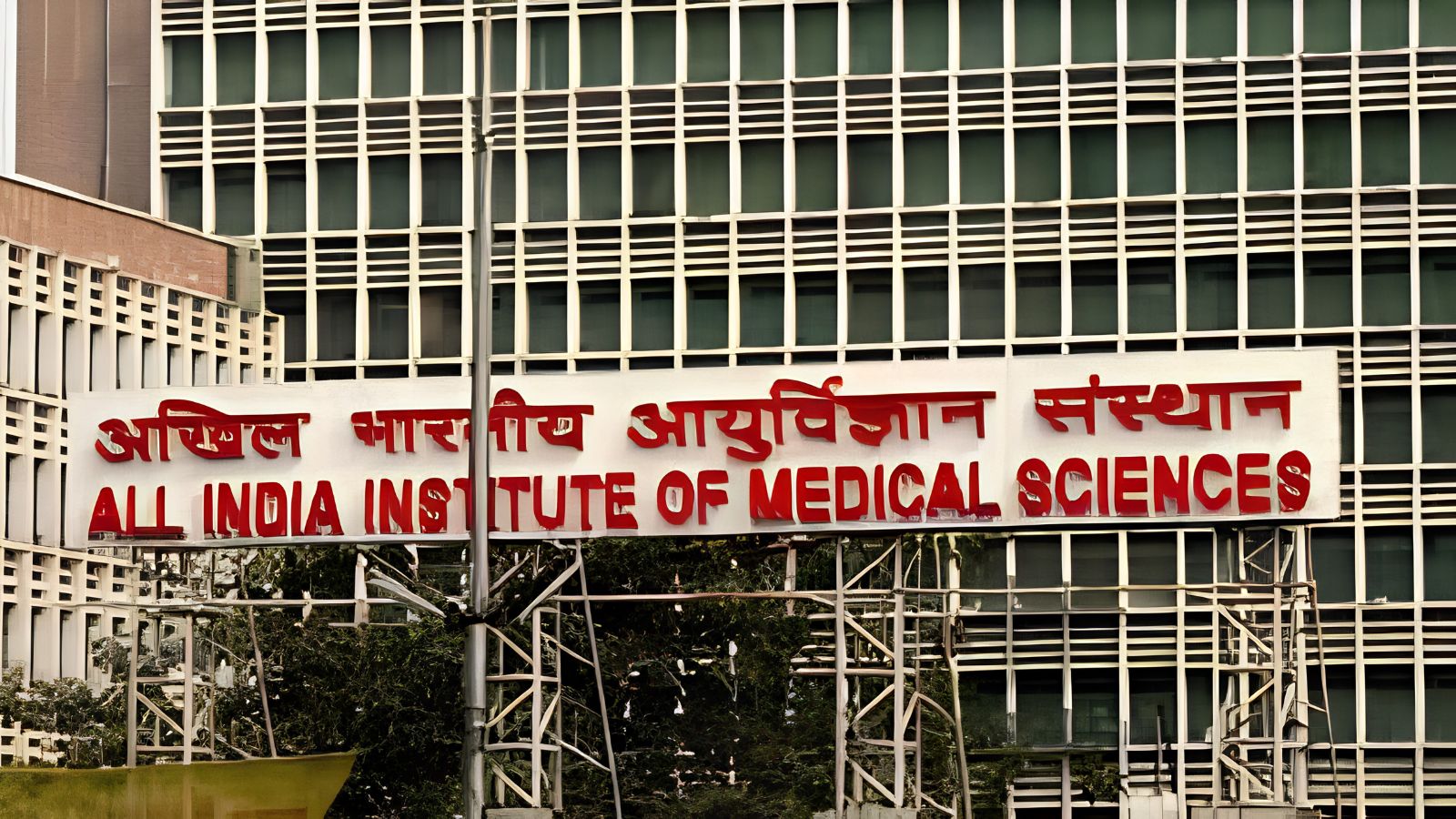
- Doctors from Sitaram Bhartia Institute of Science and Research and the All India Institute of Medical Sciences, New Delhi, along with guidance from the Indian Council of Medical Research.
- What
- They cautioned against self-medicating with antibiotics during a rise in monsoon-related illnesses.
- Where
- The guidance was issued by physicians in Delhi-based institutions.
- When
- During a reported spike in monsoon-related illnesses; no specific date is provided.
- Why
- Fever can have many causes, antibiotics do not treat viral illnesses, and inappropriate use can contribute to antimicrobial resistance.
Key facts
- Main warning
- Fever by itself is not an indication for antibiotic treatment.
- Possible causes of fever
- Viral infections, dengue, malaria, typhoid and other conditions can cause fever.
- Antibiotic risk
- Unnecessary use can cause avoidable side effects and contribute to antimicrobial resistance.
- Medication guidance
- Patients should not start, stop, modify, or reuse antibiotics without medical advice.
- Clinical assessment
- Treatment should consider symptoms, illness duration, clinical examination and appropriate investigations.
- Urgent symptoms
- Breathing difficulty, altered consciousness, severe dehydration, persistent vomiting, bleeding or marked weakness require prompt evaluation.
- Higher-risk groups
- Older adults, young children, people with underlying illnesses and those with compromised immunity may need earlier assessment.
Quotes
Dr Sujeet K Choudhary
Chief Medical Officer, Internal Medicine, Sitaram Bhartia Institute of Science and Research
“Antibiotics should not be started, stopped or modified without medical advice. People should not change the dose, duration or frequency on their own. If symptoms persist, fail to improve or worsen, the patient should be reassessed rather than simply adding another antibiotic”
 NDTV
NDTV
“Patients frequently come to us after taking multiple medicines, including antibiotics, simply because they have developed fever. Fever by itself is not an indication for an antibiotic. The first step is to determine what is causing the fever”
NDTV
Sources
Related news
Doctors warn antibiotics don't treat monsoon fever, misuse fuels resistance

IMA Warns Against Self-Medication Amid India’s Seasonal H1N1 Surge

India's Seasonal H1N1 Surge Prompts Advisories, Doctors Urge Calm

Delhi-NCR Sees Rise in Swine Flu and Respiratory Infections
H1N1 Cases Rise as Hyderabad Fever Hospital Sees 500 Daily

ICMR Study Links Drug-Resistant Infections to Higher Death Risk
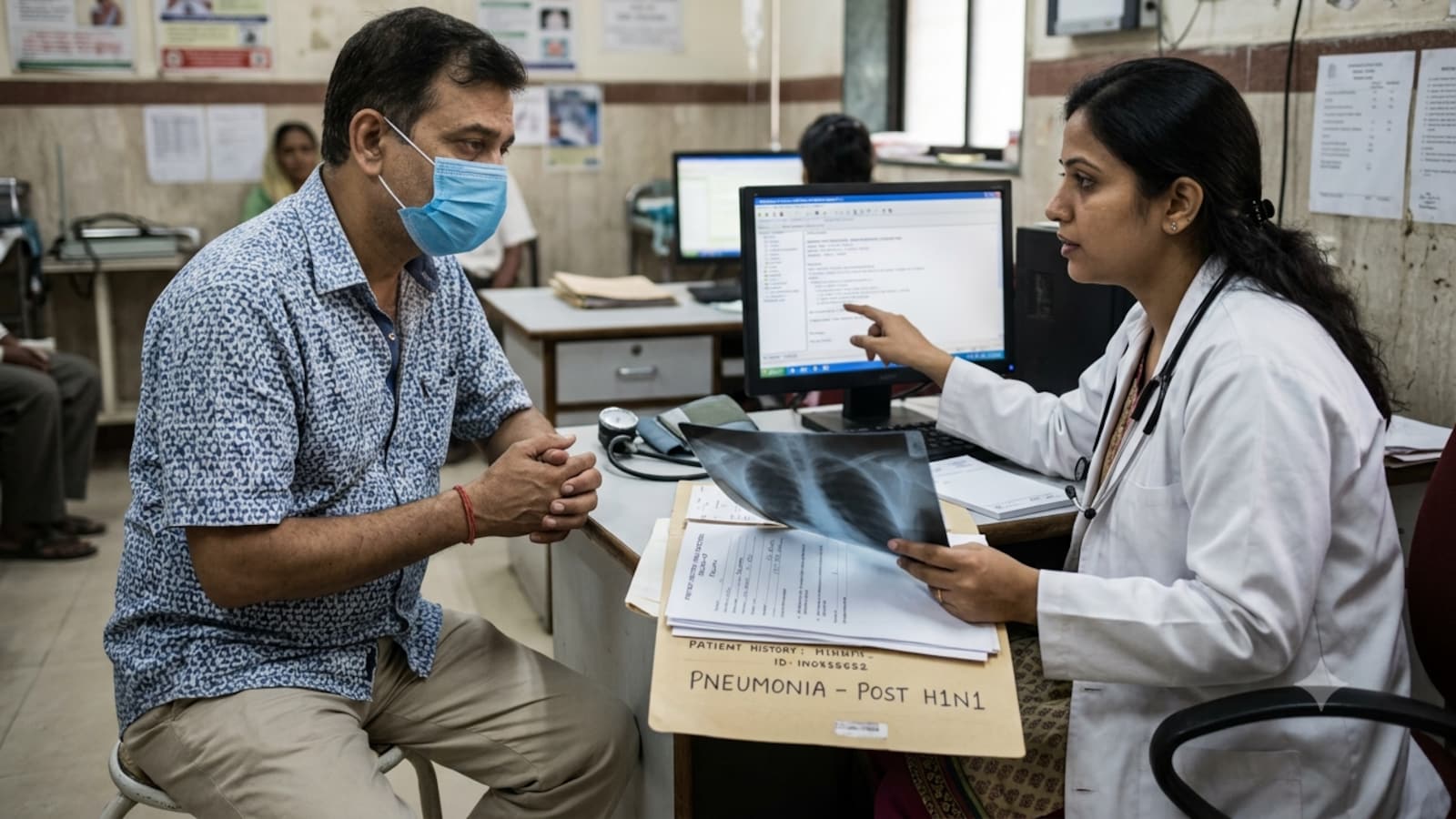
H1N1 Can Cause Pneumonia: Warning Signs To Know

NTA Releases AIAPGET 2026 Re-Exam Admit Cards
IIT Delhi External Panel Probes Student Death, Approves Family Aid
NTA Releases AIAPGET Re-Exam Admit Cards For 49 Candidates
Justice Mukta Gupta Leads Reconstituted IIT Delhi Death Inquiry