2 weeks ago
Doctors warn antibiotics don't treat monsoon fever, misuse fuels resistance
Every year during the rainy season, lots of people get fevers, colds, and coughs.
Rainy weather helps viruses and germs spread, and puddles of water let mosquitoes grow.
Mosquitoes can spread sicknesses like dengue and chikungunya.
Most of these sicknesses go away by themselves in about a week or two.
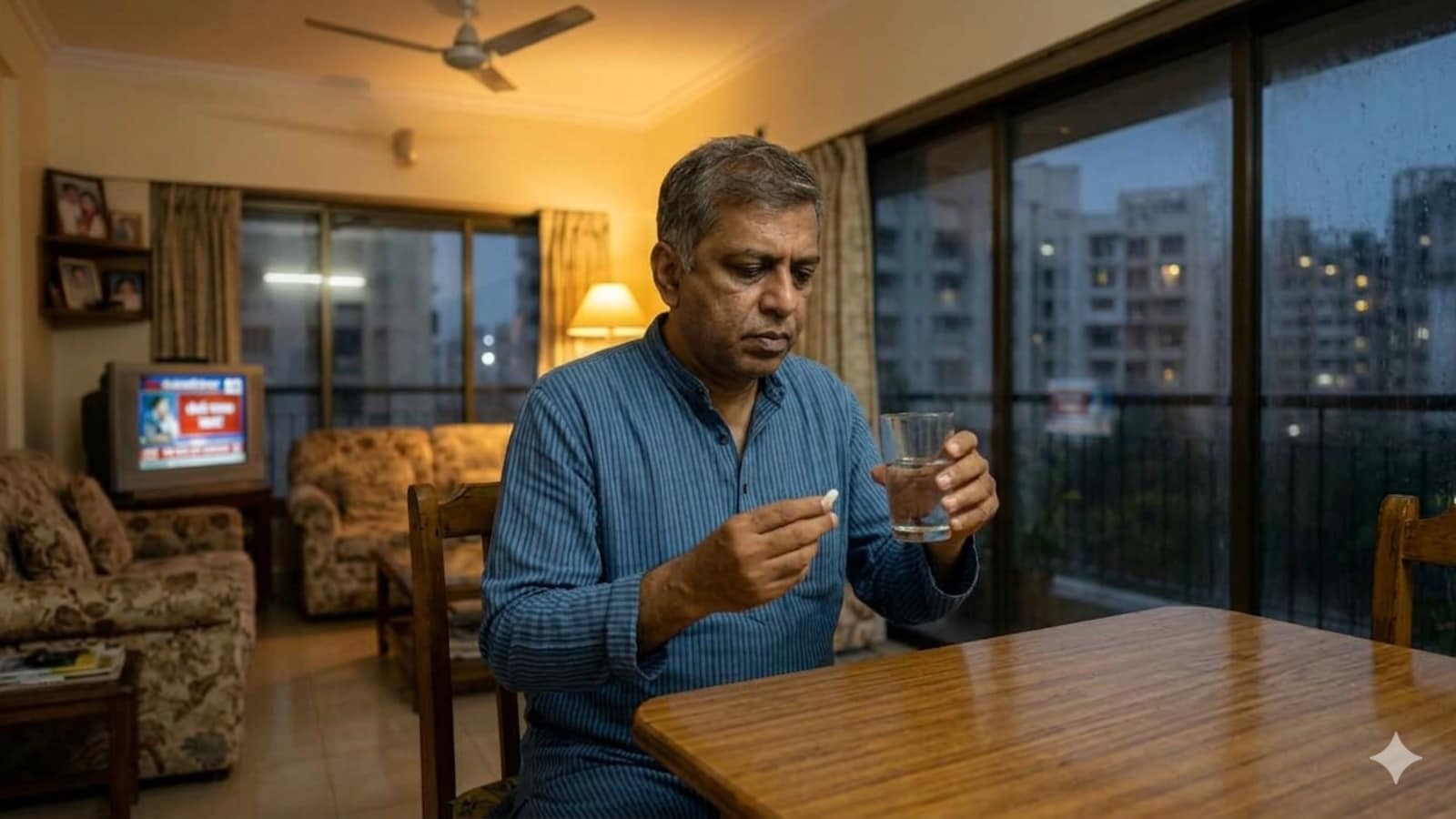
Some people take antibiotics when they have a fever, but doctors say that is not a good idea.
Antibiotics only fight bacteria, not the viruses that cause most monsoon fevers.
Taking them when you do not need them can make germs learn to fight the medicine.
That is called antibiotic resistance, and it makes real infections harder to treat later.
Doctors say it is better to rest, drink fluids, and see a doctor if the fever lasts more than two or three days.
If you have trouble breathing, bad belly pain, or feel very confused, you should get help right away.

Most monsoon fevers are viral and self-limiting, usually clearing within one to two weeks with rest, hydration, and symptom relief.
Doctors warn that monsoon fever should not automatically be treated with antibiotics, since fever is a symptom, not a diagnosis.
Antibiotics only work against bacterial infections and have no effect on viral illnesses such as influenza and dengue.
Misuse of antibiotics can cause side effects like nausea, diarrhea, stomach ache, and allergic reactions, and contributes to antibiotic resistance.
The World Health Organization identifies inappropriate and excessive antibiotic use as a main cause of antimicrobial resistance.
- Who
- Doctors including Dr. J. Kirtana of Fortis Hospital, Shalimar Bagh, and Dr. Jayanta Thakuria of Yatharth Super Speciality Hospital, Faridabad.
- What
- Warned that monsoon fever should not be automatically treated with antibiotics and that misuse of antibiotics drives resistance and side effects.
- Where
- India, where hospitals in the Delhi region (Shalimar Bagh and Faridabad) provided expert guidance.
- When
- During the monsoon (rainy) season, when flu and seasonal illnesses spike.
- Why
- Because most monsoon fevers are viral and self-limiting, and antibiotics only treat bacterial infections while fueling antimicrobial resistance when misused.
Key facts
- Common symptoms
- Fever, cold, cough, and extreme fatigue
- Typical duration
- Viral fevers clear naturally in 3-5 days; most monsoon illnesses resolve within 1-2 weeks
- Diseases with similar symptoms
- Influenza, dengue, malaria, typhoid, leptospirosis, and scrub typhus
- When to get tested
- If high fever persists 48-72 hours; tests include CBC and Dengue NS1 antigen
- Red flag symptoms
- Breathing difficulty, persistent vomiting or diarrhea, bleeding, severe abdominal pain, confusion, poor oral intake, reduced urine output, severe muscle pains
- Key antibiotics warning
- Antibiotics should be taken only when prescribed for a clear bacterial infection
- Health agency cited
- WHO identifies antibiotic misuse as a main cause of antimicrobial resistance
Quotes
Dr. J. Kirtana
Associate Consultant Infectious Diseases at Fortis Hospital, Shalimar Bagh
“Monsoon fever should not automatically be treated with antibiotics. Fever is a symptom, not a diagnosis, and during the monsoon it can be caused by very different infections, including but not limited to influenza, dengue, malaria, typhoid, leptospirosis and scrub typhus. These illnesses can initially look remarkably similar, but their management differs. This overlap is exactly why antibiotics shouldn't be a knee-jerk response to fever”
 NDTV
NDTV
Sources
Related news

Doctors Warn Against Unnecessary Antibiotics as Monsoon Illnesses Rise

IMA Warns Against Self-Medication Amid India’s Seasonal H1N1 Surge

Delhi-NCR Sees Rise in Swine Flu and Respiratory Infections

Why Swine Flu Cases Rise During Monsoon Months
Typhoid Leads India’s Confirmed Monsoon Fever Test Positivity

Leptospirosis, 'Rat Fever,' Spikes Amid Monsoon Flooding in India

New Hangout Sitcoms Turn Friendship FOMO Into Streaming Appeal

Chinese Workers Fight Office Ageing With Parasols And Sunscreen
India Sends Fifth Relief Tranche to Flood-Hit Nepal

Dyson Launches $499 CameraJet AI Toothbrush With Jet Flossing

PlatinumRx remotely helps families save on recurring medicines