

1 week ago
How British Artists Made India Exotic for Colonial Rule
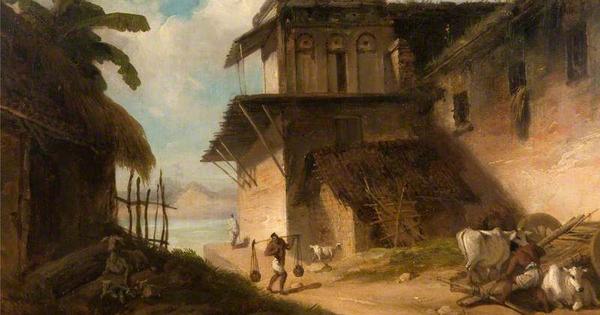
British artists painted India for people in Britain and for Europeans living there.
They often made the country look mysterious, beautiful and partly ruined.
This style was called the picturesque.
Pictures of old buildings could make it seem that Indian rulers had lost their power.
They also made British rule look like a way to bring progress and order.
Paintings of the Taj Mahal showed it mainly as a pretty sight instead of explaining its deeper Mughal and Islamic meanings.
Pictures of Mysore connected damaged landscapes with British victories over Tipu Sultan.
The article says these images helped create pride in empire while leaving ordinary Indian people and their experiences out of view.

British artists arrived in India from the 1760s to serve expatriate markets and portray unfamiliar subjects for audiences in Britain.
The picturesque style presented Indian landscapes as rugged, neglected and available for British improvement.
Paintings of ruins, including Thomas Daniell’s Delhi scene, linked India’s decline to arguments for colonial intervention.
Charles Ramus Forrest’s depiction of the Taj Mahal minimized its Mughal, Timurid and Islamic political meanings in favor of scenic beauty.
Images of Mysore and other sites helped create imperial memories that celebrated British conquest and encouraged tourism built around empire.
- Who
- British artists including George Chinnery, Thomas Daniell, Charles Ramus Forrest and Robert Home, along with Indian rulers and communities depicted in their work.
- What
- They used picturesque paintings and travel imagery to represent India as exotic, neglected and open to colonial intervention.
- Where
- Across colonial India, including Calcutta, Delhi, Bangalore, Mysore and the landscapes around the Ganges and Yamuna rivers.
- When
- British artists began arriving from the 1760s; the examples discussed date from 1794 to 1825 and the 19th century.
- Why
- Their work served expatriate and British audiences, while its visual framing helped interpret India’s past and legitimize British imperial authority.
Colonial-era artistic framing
Postcolonial critique
Meaning of the landscape
Colonial-era artistic framing
The picturesque presented rugged scenery, ruins and damaged gardens as visually appealing signs of a past awaiting a new beginning.
Postcolonial critique
The article argues that this framing turned India into an object for British interpretation and made colonial intervention appear necessary.
Depicting monuments
Colonial-era artistic framing
Scenes such as the Taj Mahal could be enjoyed by European viewers as ornamental and picturesque travel attractions.
Postcolonial critique
Reducing the Taj Mahal to scenic ornament obscured its Mughal, Timurid and Islamic political and religious meanings.
Empire and progress
Colonial-era artistic framing
Images of neglected or ruined places supported the idea that British rule brought modernity, order and improvement.
Postcolonial critique
The article says these images celebrated conquest, erased ordinary Indian experiences and helped legitimize imperial power.
Key facts
- Early British arrivals
- British artists began arriving in India from the 1760s.
- George Chinnery
- He lived in India for 23 years before leaving Calcutta for Macau in 1825.
- Artistic style
- The picturesque emphasized asymmetry, dramatic light and shadow, rugged textures, ruins and rustic life.
- Delhi example
- Thomas Daniell’s 1795 painting depicted an ancient building near Feroz Shah Kotla.
- Taj Mahal example
- Charles Ramus Forrest’s 1824 painting presented the Taj Mahal as a scenic attraction viewed from the Yamuna.
- Mysore example
- Robert Home’s 1794 work depicted Tipu Sultan’s gardens in Bangalore after the Third Anglo-Mysore War.
- Imperial tourism
- By the 19th century, British tourism reinforced pride in empire and territorial conquest.
Sources
Related news
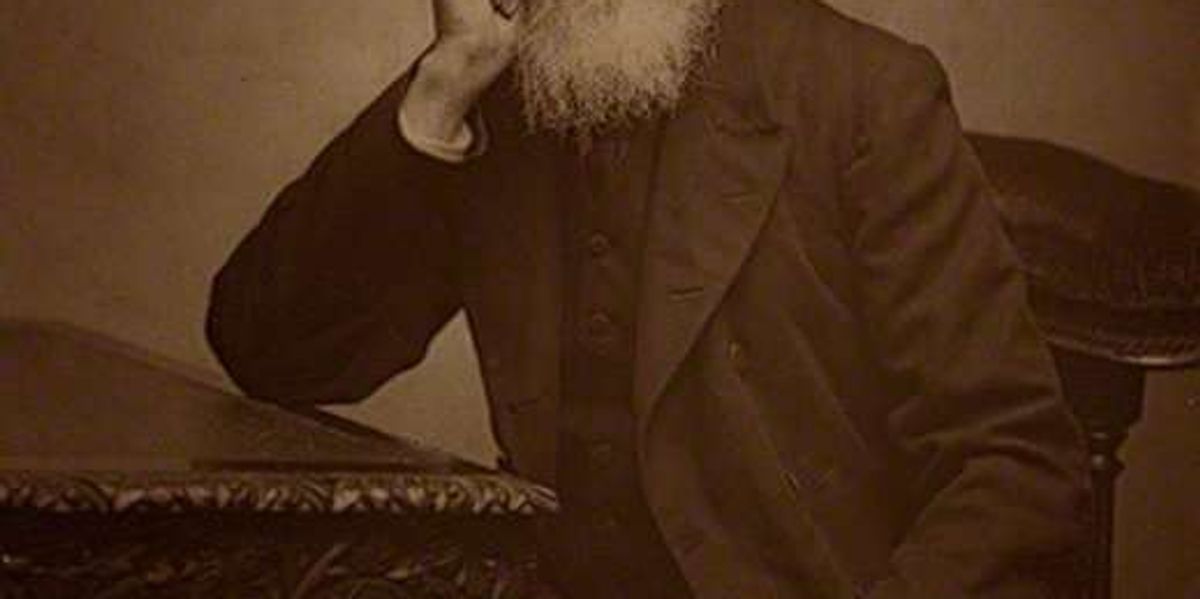
Dadabhai Naoroji Portrait to Display at National Portrait Gallery
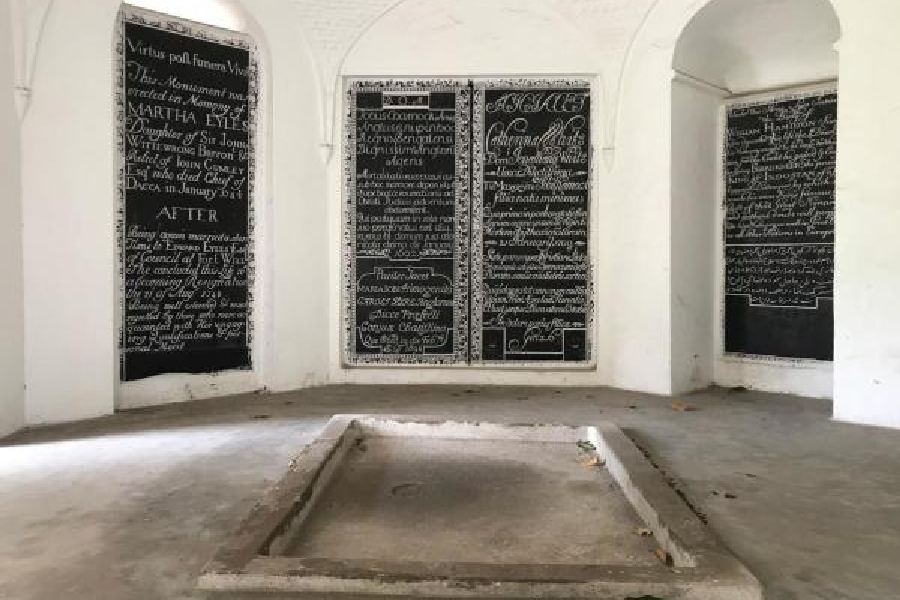
How Charnock’s Riverbank Decision Shaped Kolkata’s Modern Identity
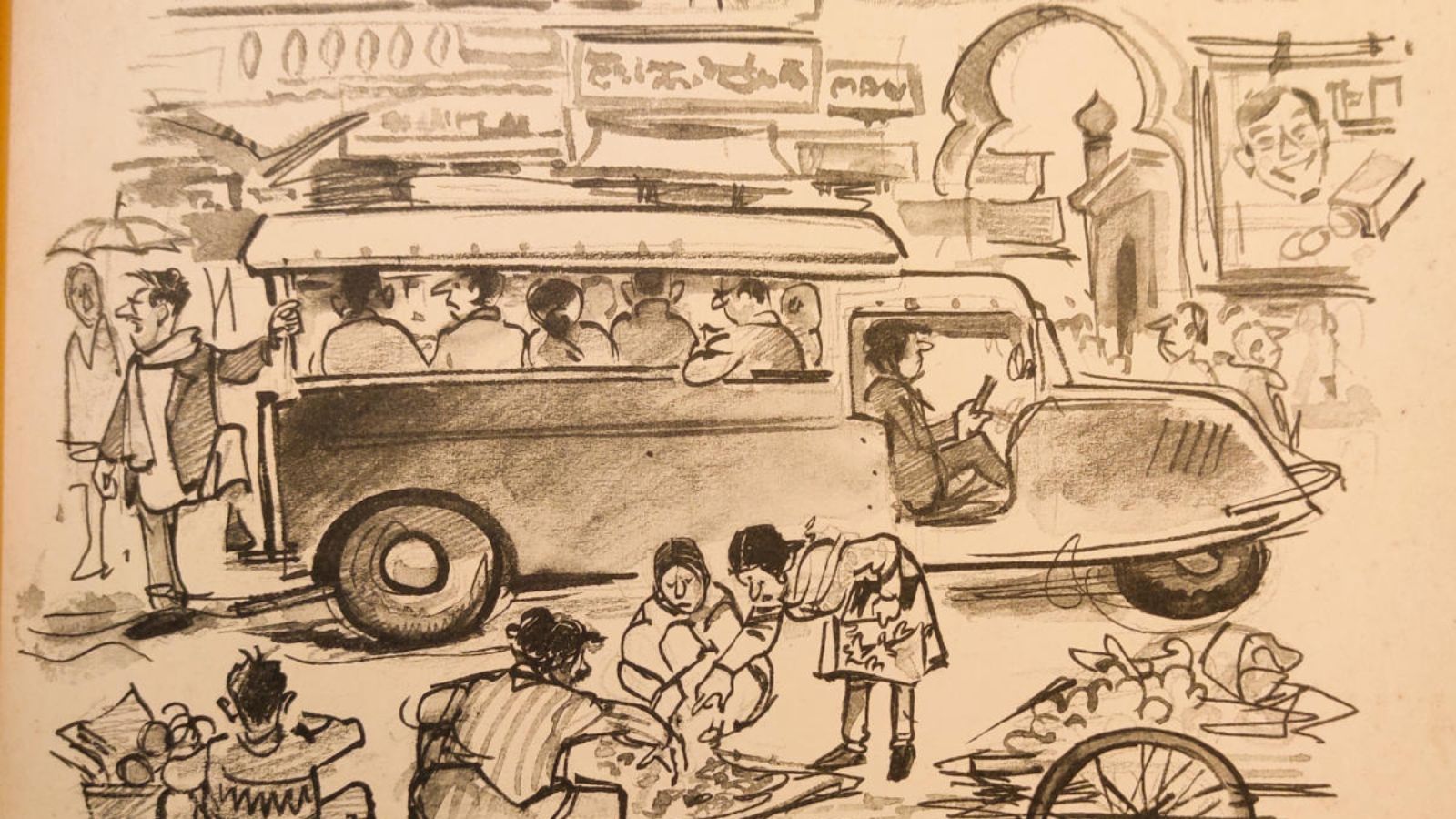
Pune Exhibition Brings Raja Ravi Varma and R.K. Laxman Together
Search for Indianness needs open sky, not parochial Indian theory

Owaisi Targets BJP After Uzbekistan Honors Prime Minister Modi
Why Akbar’s Din-i-Ilahi Failed as a State-Building Strategy
Champa Darwaja Hanuman Temple Keeps Hyderabad's Heritage Alive
CPI(M)'s Baby Slams Delhi University Over Delhi Sultanate Paper Removal
