

1 week ago
How Charnock’s Riverbank Decision Shaped Kolkata’s Modern Identity
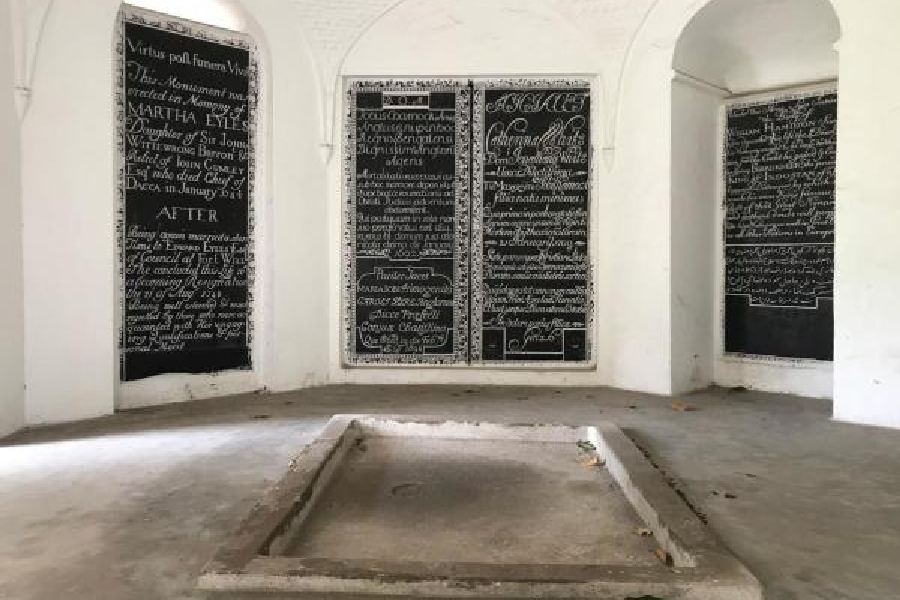
Kolkata did not begin as an empty place when Job Charnock arrived.
Three villages, local landholders, traders, weavers and pilgrims were already there.
The river connected the area to other parts of Bengal and to overseas trade.
Charnock’s return in 1690 helped the English East India Company make the area an important base.
Over time, that choice contributed to the city becoming the capital of British India.
The city might instead have become a French, locally governed or mixed trading port.
Those alternatives would have produced different buildings, laws, schools and ideas.
The article says Charnock did not create Kolkata from nothing, but his arrival set off changes that shaped the city we know.
Kolkata later became an important centre of culture, reform and nationalism.

The article argues that Kolkata’s emergence cannot be explained by a single founder or date alone.
Before Job Charnock’s 1690 arrival, Gobindapur, Sutanuti and Kalikata were active settlements linked to trade, farming and pilgrimage.
The English choice of the Hooghly riverbank helped create a fortified enclave and eventually the capital of British India.
Alternative French, indigenous or commercially fragmented developments might have produced a very different city and cultural environment.
The resulting Calcutta became a platform for the Bengal Renaissance, Indian nationalism and influential figures including Rabindranath Tagore and Subhas Chandra Bose.
- Who
- Job Charnock, the English East India Company, local communities and competing European powers shaped the area’s development.
- What
- The article examines how the English decision to settle on the Hooghly riverbank influenced Kolkata’s infrastructure, institutions, culture and social classes.
- Where
- Along the eastern bank of the Hooghly River, around the villages of Gobindapur, Sutanuti and Kalikata.
- When
- The pivotal English return and arrival discussed in the article occurred on August 24, 1690; Calcutta remained India’s capital until 1911.
- Why
- The location connected river, regional and overseas trade, while later English political and commercial expansion gave the settlement a distinctive metropolitan role.
Charnock as Catalyst
Continuity and Alternative Paths
Did Charnock create the city?
Charnock as Catalyst
Charnock’s 1690 arrival redirected the area’s existing economic energy and set in motion the institutions and political developments that produced the Calcutta known today.
Continuity and Alternative Paths
The riverbank already contained villages, commerce, agriculture and pilgrimage, so Charnock was not a creator from nothing; a substantial settlement might have developed without him.
What might have replaced English rule?
Charnock as Catalyst
English control produced fortified infrastructure, imperial avenues, bureaucratic institutions and eventually the capital of British India.
Continuity and Alternative Paths
French control, indigenous administration or a fragmented European trading port could have produced different laws, schools, architecture and cultural movements.
Was Kolkata’s rise inevitable?
Charnock as Catalyst
The area’s river access, textile trade and strategic position made substantial development likely.
Continuity and Alternative Paths
Navigational changes, flooding, disease or shifting investment could have redirected growth toward Dhaka, Murshidabad, Balasore, Chittagong or another harbour.
Key facts
- Pivotal date
- August 24, 1690
- Pre-existing settlements
- Gobindapur, Sutanuti and Kalikata
- Earlier landholders
- The Sabarna Roy Choudhury family held zamindari rights.
- Strategic waterway
- The Hooghly connected the area with Bengal’s river network, the Bay of Bengal and Southeast Asian routes.
- Political status
- Calcutta served as India’s capital until 1911.
- Historical impact
- The settlement became associated with the Bengal Renaissance, Indian nationalism and the rise of the bhadralok.
Sources
Related news
Cheenapara Gallery to Preserve Calcutta’s Chinese Community Heritage
From Baikunthapur to Yorktown: North Bengal's historic link and revival

Dharavi SSC Aspirant Wins Rs 25 Lakh on KBC 18
Kolkata’s ‘Mini-Bangladesh’ Reveals Fire Risks Behind Cheap Hotels
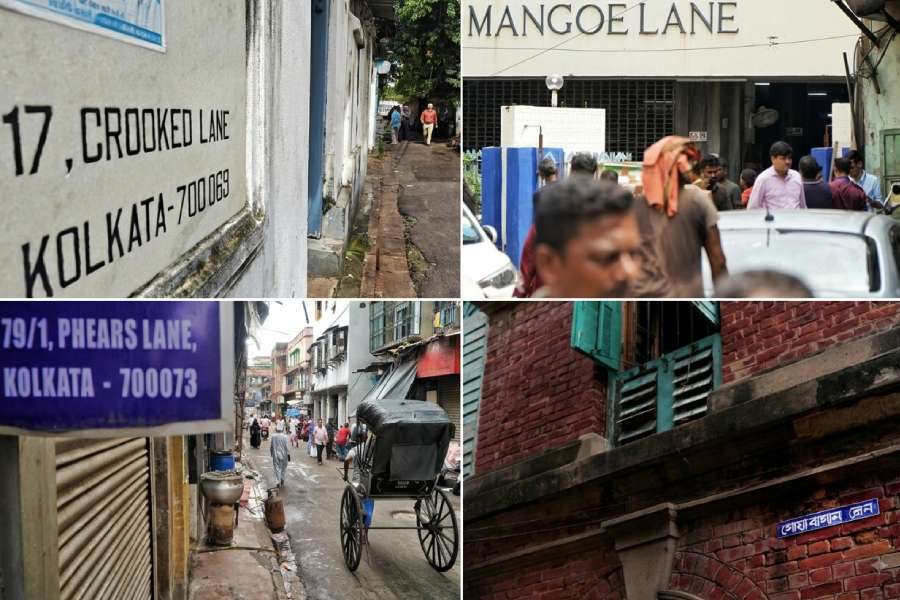
Stories behind Kolkata's most intriguing street names revealed

Denmark’s Indian Empire Helped Shape the Story of L&T

Bengal Warns Vacant-Plot Owners Amid Rising Dengue Concerns
Girl Dies at Farakka Hostel as Murder, Suicide Claims Clash
TMC Councillors Vote Out Dhuliyan Municipality Chairman Over Alleged Failures

West Bengal Reports Fewer Dengue Cases, But Monsoon Risks Remain

West Bengal Names Five Dengue Hotspots Amid Intensifying Monsoon
