

2 weeks ago
CPI(M)'s Baby Slams Delhi University Over Delhi Sultanate Paper Removal
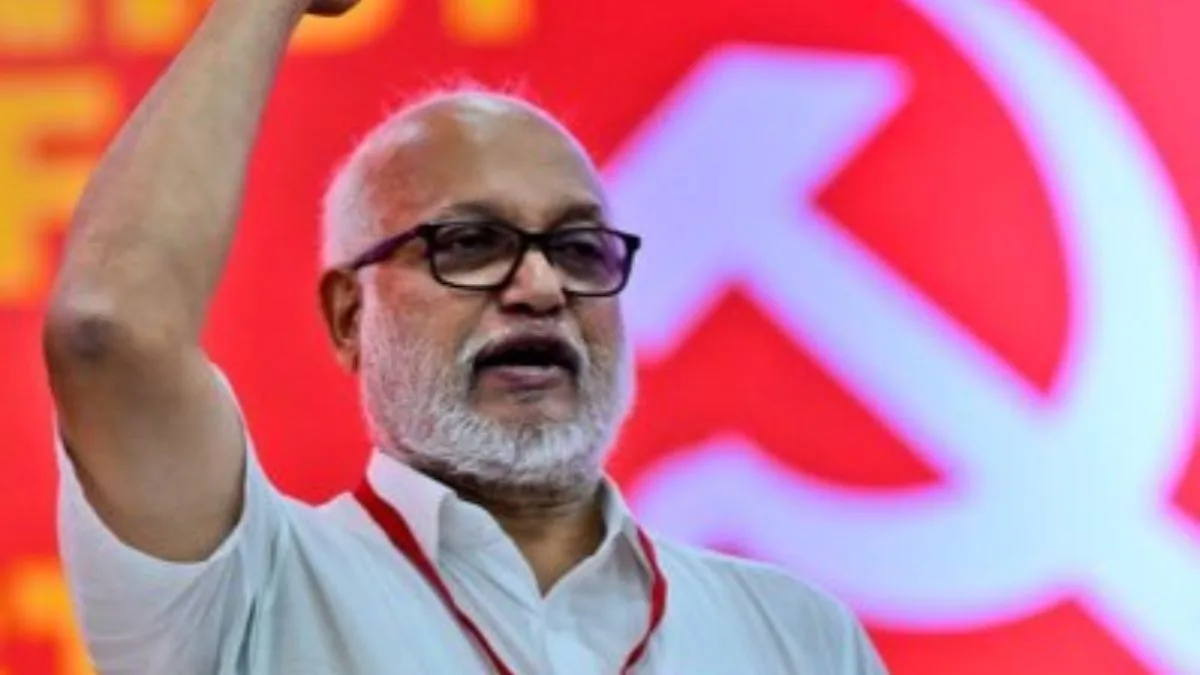
Long ago, a group of rulers called the Delhi Sultanate governed Delhi and big parts of India.
They ruled for hundreds of years, from the early 1200s until the Mughal Empire began in the 1500s.
Some important buildings in Delhi, like the Qutub Minar and Lodhi Gardens, come from that time.
A university called Delhi University is in that city.
The university reportedly decided to stop teaching a course about the Delhi Sultanate to its history students.
A leader named M A Baby says this is wrong.
He thinks removing the course is like trying to erase Delhi's own history.
He finds it funny that a university sitting in Delhi would drop the study of Delhi's past rulers.
He asks how students can understand the city's famous monuments without learning about the time when they were built.
He hopes teachers and historians will speak up to protect history education.

CPI(M) general secretary M A Baby criticised Delhi University's reported decision to drop a Delhi Sultanate paper from its postgraduate history curriculum.
Baby called the move an attempt to erase an important chapter of Delhi's historical past, calling it 'irony at its peak' since Delhi University is located in Delhi, the Sultanate's seat.
He said students could not understand Delhi's architectural and cultural heritage without studying the period, citing monuments such as Qutub Minar, Hauz Khas, Tughlaqabad Fort, Feroz Shah Kotla and Lodhi Gardens.
The Delhi Sultanate comprised dynasties that ruled parts of the Indian subcontinent from the early 13th century until the Mughal Empire's establishment in the 16th century.
Baby urged historians and academics to stand up against what he described as attempts to distort higher education.
- Who
- M A Baby, general secretary of the CPI(M), who criticised the move; Delhi University, which reportedly decided to drop the paper.
- What
- Delhi University's reported decision to drop a Delhi Sultanate paper from its postgraduate history curriculum.
- Where
- Delhi, India, where Delhi University is located.
- When
- Not specified in the article.
- Why
- Baby argues the decision erases an important chapter of Delhi's history and deprives students of the context needed to understand medieval North India and Delhi's monuments.
Critics of Curricular Exclusion
Proponents of the Reported Curriculum Change
Delhi Sultanate paper in postgraduate history
Critics of Curricular Exclusion
The paper should be kept; dropping it attempts to erase an important chapter of Delhi's history and leaves students unable to understand medieval North India and the capital's monuments.
Proponents of the Reported Curriculum Change
The paper should be dropped; Delhi University has reportedly decided to remove the Delhi Sultanate paper from its postgraduate history curriculum.
Representation of Indian history in curricula
Critics of Curricular Exclusion
History should be studied in its entirety rather than through the selective inclusion or removal of particular periods.
Proponents of the Reported Curriculum Change
The reported change is part of an ongoing debate over how different periods of Indian history are represented in textbooks and university courses.
Key facts
- Speaker
- M A Baby, CPI(M) general secretary
- Target institution
- Delhi University
- Change criticised
- Reported drop of Delhi Sultanate paper from postgraduate history curriculum
- Medium of criticism
- Post on social media platform X
- Delhi Sultanate period
- Early 13th century until Mughal Empire's establishment in the 16th century
- Monuments cited
- Qutub Minar, Hauz Khas, Tughlaqabad Fort, Feroz Shah Kotla, Lodhi Gardens
- Context
- Broader debate over history curricula in Indian educational institutions
Quotes
M A Baby
CPI(M) general secretary
“Delhi University dropping the Delhi Sultanate paper from its postgraduate history curriculum while literally being seated in Delhi – the very seat of that Sultanate – is irony at its peak!”
 thestatesman.com
Sources
Related news
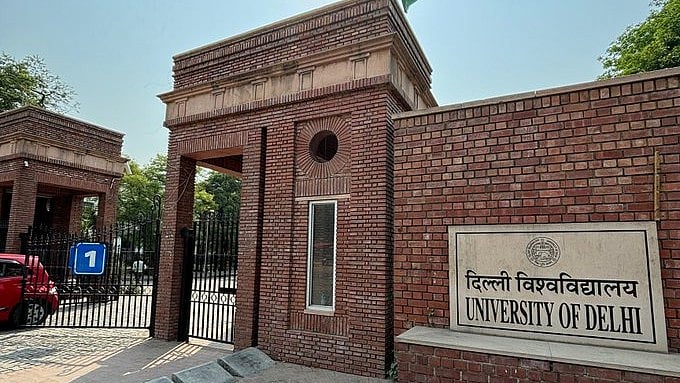
Delhi University Drops Delhi Sultanate Paper From Postgraduate History Syllabus

Delhi University removes Delhi Sultanate paper from History syllabus

Delhi University drops Delhi Sultanate paper from MA History syllabus

Delhi Cabinet approves draft Private Universities Bill for Assembly

British Draft Plans That Could Have Remade New Delhi

Owaisi Targets BJP After Uzbekistan Honors Prime Minister Modi
How British Artists Made India Exotic for Colonial Rule
Why Akbar’s Din-i-Ilahi Failed as a State-Building Strategy
Champa Darwaja Hanuman Temple Keeps Hyderabad's Heritage Alive
