5 hrs ago
AI Animal Content Floods Social Media, Challenging Wildlife Trust
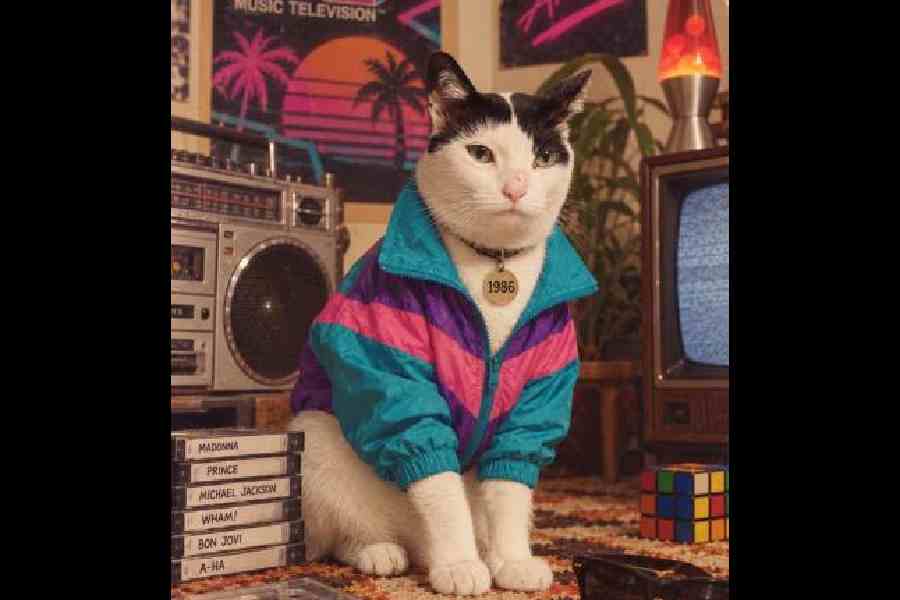
People are making lots of animal pictures and videos with artificial intelligence.
Some of these videos look real even though the events never happened.
This can make it harder to trust real wildlife and animal-welfare footage.
We Animals says people sometimes mistake its genuine evidence of animal abuse for fake content.
A researcher also says fake animal videos may weaken the feelings viewers have when watching real ones.
Some experts worry that accepting harmless fake images could make people less careful about more serious fakes.
California and the European Union are requiring AI tools to add hidden markers to generated images.
Social media companies have started labeling some AI posts, but checking every image is still difficult.

AI-generated animal images and videos are rapidly flooding social media with mass-produced content.
We Animals says authentic footage of alleged animal abuse is increasingly mistaken for fabricated material.
Researchers warn that unlabelled AI content weakens viewers’ trust and emotional connection to animal videos.
California and the European Union require AI generators to embed invisible tags in generated images.
Platforms and verification tools have introduced safeguards, but their effectiveness and accessibility remain limited.
- Who
- Researchers, content creators, advocacy groups, animal-welfare organizations, lawmakers, and social-media platforms are involved.
- What
- AI-generated animal images and videos are spreading widely, raising concerns about trust in authentic wildlife and animal-abuse footage.
- Where
- The content is spreading on social media; responses have been introduced in California and the European Union.
- When
- The trend has grown rapidly in recent years.
- Why
- Mass-produced AI content can be lucrative for creators but may make genuine footage harder to identify and trust.
Researchers and Advocacy Groups
Creators and Platform Responses
Effect on trust
Researchers and Advocacy Groups
Researchers and advocacy groups say unlabelled AI animal content undermines trust in genuine wildlife and animal-welfare footage and weakens viewers’ emotional connection to real events.
Creators and Platform Responses
Some creators say the content is lucrative, while platforms and regulators are developing labels and policies to distinguish or limit inauthentic material.
Risk of harmless fakes
Researchers and Advocacy Groups
Researchers warn that growing acceptance of seemingly harmless animal fakes could make audiences more tolerant of consequential manipulated images, including political images.
Creators and Platform Responses
The article does not report creators arguing for that broader risk, but current responses focus on labeling, monetization rules, and verification tools rather than banning all AI animal content.
Effectiveness of safeguards
Researchers and Advocacy Groups
Experts note that verification tools have limits, leaving most viewers without an easy way to confirm what they see online.
Creators and Platform Responses
California, the European Union, TikTok, Instagram, and YouTube have introduced tagging, labeling, or monetization measures intended to address the problem, although how some policies will work in practice remains unclear.
Key facts
- Organization affected
- We Animals has published work from 175 photojournalists documenting alleged animal abuse.
- Content trend
- AI-generated animal images and videos are described as rapidly increasing and mass-produced.
- Trust concern
- Authentic animal-welfare footage is increasingly mistaken for fabricated content.
- Regulatory response
- California and the European Union require AI image generators to embed invisible tags in their output.
- Platform response
- TikTok and Instagram have begun labeling some AI posts, while YouTube expanded restrictions on monetizing repetitive and inauthentic content.
- Verification tools
- ChatGPT, Gemini, and Meta AI can check whether an image originated from those chatbots, but each tool limits the number of images that can be checked.
Sources
Related news

Real Images Face Ferocious Battle Against AI-Generated Fakes

Readers Urge Caution, Accountability and Support for Farmers

Simple Ways to Check Whether Viral Videos Are AI-Generated

Nepal Cracks Down on Fake Flood Content Online
Instagram Limits Reach of Unlabeled AI-Generated Influencer Profiles

Phone Authenticity Tools May Not Solve The Fake Image Crisis

Satellite Images Reveal Glacier-Linked Collapse Behind Nepal-China Floods
Scientists Find Two Ancient Human Lineages in Modern Genomes
Scientist Turns Insect Studies into Comics

Indian Students Settle Discrimination Case with US University