

1 week ago
Phone Authenticity Tools May Not Solve The Fake Image Crisis
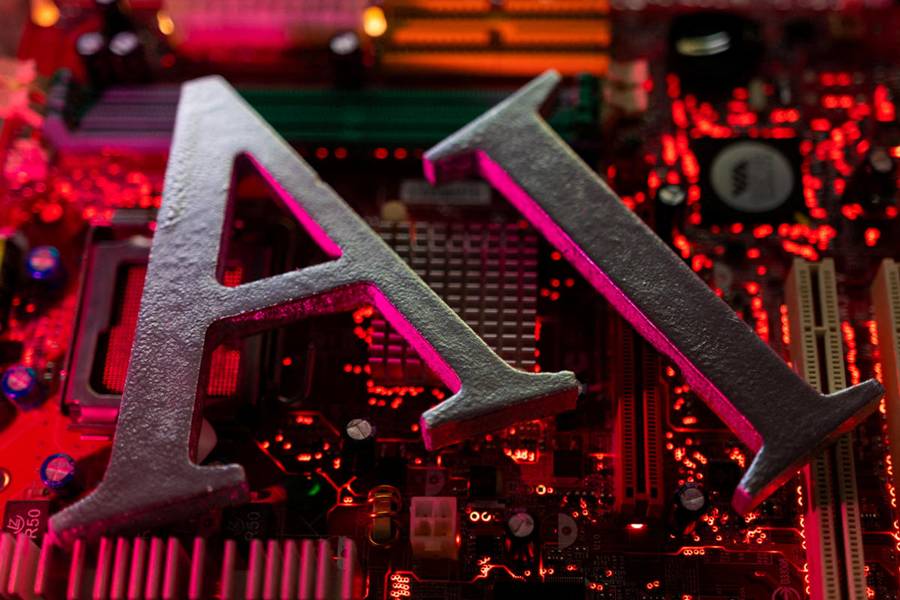
AI can now make pictures and videos that look real even when they show things that never happened.
This makes it harder to know whether online images can be trusted.
Some phone and camera companies are adding tools that record where and when a picture was made.
Apple may add a similar feature to iPhones.
The feature would create an ID that others could use to check the image’s origin.
However, users may need to turn it on before taking a picture.
A verified photo can still show a misleading angle, expression, or staged event.
A photo without a verification label might still be real.
People will still need to think carefully about the image and whether they trust its source.

AI tools now allow anyone to create photorealistic images and videos for scams and deception.
Google began embedding content-authenticity software in some smartphone cameras in 2025.
The technology uses the C2PA standard, also adopted by Nikon, Sony, and Canon cameras.
Apple may introduce a similar iPhone reference-image feature later this year, according to reports.
Verified-image labels can show when and where an image was captured but cannot prove the scene was truthful or unstaged.
- Who
- Google, Apple, camera manufacturers, smartphone users, and people viewing online images.
- What
- Technology is being developed to verify the origin of photographs and distinguish camera-captured images from AI-generated content.
- Where
- In smartphone and standalone-camera systems, with the article datelined Melbourne.
- When
- Google began using the technology in some smartphone cameras in 2025; Apple may introduce a similar feature later this year.
- Why
- AI-generated visual content is being used to mislead, scam, and weaken trust in images and institutions.
Technology Can Help Verify Images
Technology Cannot Establish The Whole Truth
Role of authenticity labels
Technology Can Help Verify Images
Provenance tools can record an image’s origin, capture time, and device, giving viewers useful evidence about how it was made.
Technology Cannot Establish The Whole Truth
A verified label does not prove that the image’s content is accurate, representative, or unstaged.
Effect of missing verification
Technology Can Help Verify Images
Verification IDs could help people distinguish images captured by a device from images created or altered by AI.
Technology Cannot Establish The Whole Truth
An image without a label is not necessarily fake, because the feature may be off, unavailable, or not used when the image was taken.
Best response to fake images
Technology Can Help Verify Images
Embedding authenticity technology in phones and cameras could help restore confidence in visual evidence.
Technology Cannot Establish The Whole Truth
Critical thinking, attention to context, and trust in the source remain necessary because no technical signal tells the complete story.
Key facts
- Technology standard
- The C2PA standard records information about an image’s origin.
- Google rollout
- Google began embedding content-authenticity software in its smartphone cameras in 2025.
- Camera brands
- Nikon, Sony, and Canon have started using C2PA technology in standalone cameras.
- Possible Apple feature
- Reports say a future iPhone operating system may include a reference-image feature.
- Verification process
- The proposed Apple system would send a raw image and metadata to Apple for verification, then assign a unique ID if they check out.
- Key limitation
- A verification label can provide information about capture time and device but cannot prove that the scene was truthful or unstaged.
Sources
Related news

Apple's Future iPhones Could Verify Photo Authenticity via iOS 27

Real Images Face Ferocious Battle Against AI-Generated Fakes

Readers Urge Caution, Accountability and Support for Farmers
Leaked Video Shows Apple's Camera-Equipped AirPods With Visual Intelligence
AI-Enabled Travel-Photo Analysis Gives Scammers Precise Clues
AI Slop Detector Excels at Text, Struggles With Images
Melbourne Lamp Incident Sparks Unverified Black Magic Fears Among Residents

Ananth Mahadevan Says Indian Audiences Need More Layered Cinema

Mary Poppins Costume Order Delivers Kim Jong Un Look
Mary Poppins Costume Order Swapped for Kim Jong Un Outfit

Prashasti Singh’s Divine Feminine Turns Doubt Into Shared Laughter
