1 month ago
Scientists Find Two Ancient Human Lineages in Modern Genomes
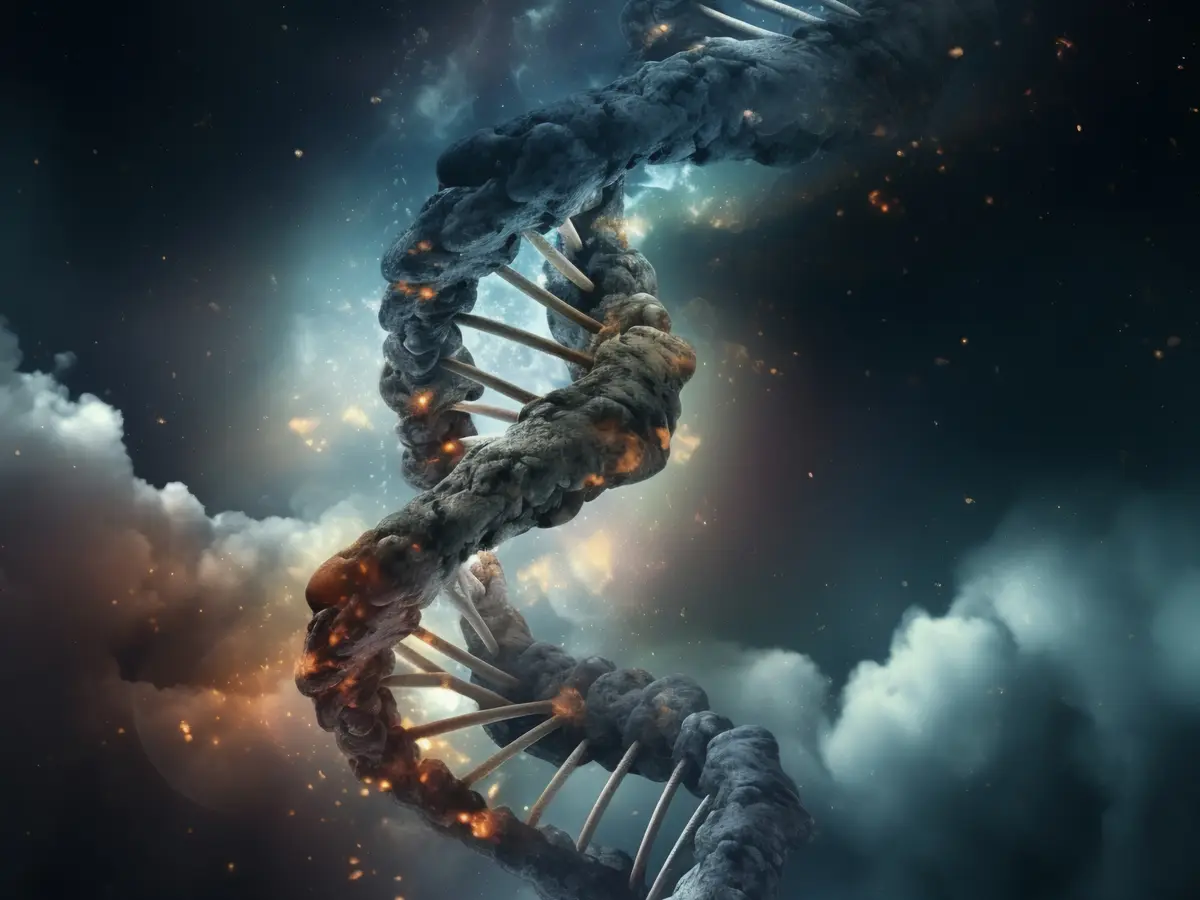
Scientists looked at the DNA of many people from all over the world.
They found two groups of ancient humans that left tiny pieces of their DNA in us.
One group, called a ghost lineage, is in everyone and might be from a species called Homo heidelbergensis.
The other, a super‑archaic lineage, is only in people from Oceania and might come from Homo erectus.
This shows that humans have mixed with many extinct relatives, not just Neanderthals and Denisovans.

Researchers identified two "ghost" lineages hidden in human DNA, one present in all modern humans and another in Oceanians.
The widespread ghost lineage likely dates to Homo heidelbergensis and contributes 0.5–1% of modern genomes.
A "super‑archaic" lineage split from modern humans ~1.8 million years ago, leaving ~0.002% of DNA in Oceanian genomes.
The new method uses genealogical analysis of 500+ present‑day genomes, bypassing the need for ancient DNA samples.
Findings suggest interbreeding with extinct humans was common, challenging the idea of human exceptionalism.
- Who
- Researchers from UC Berkeley, University of Colorado Boulder, and the Natural History Museum in London
- What
- Discovery of two ancient human lineages hidden in modern genomes
- Where
- Based on genomes from around the world, study published in Science
- When
- Published July 30, 2024 in the journal Science
- Why
- To uncover hidden ancient ancestry and understand interbreeding with extinct humans
Key facts
- Ghost lineage discovered
- Present in all modern humans, ~0.5–1% of genome
- Super‑archaic lineage
- Present in Oceanians, ~0.002% of genome
- Method
- Genealogical analysis of 500+ present‑day genomes
- Estimated divergence
- Ghost lineage ~800,000 years ago; super‑archaic ~1.8 million years ago
- Species likely involved
- Homo heidelbergensis and Homo erectus
Quotes
Priya Moorjani
co-author and human evolutionary geneticist at UC Berkeley
““These extinct populations may have lived hundreds of thousands, or even more than a million, years ago, yet traces of their genetic legacy remain preserved in our genomes today.””
 wionews.com
Sources
Related news
Genetic Study Guides Conservation of Arunachal Pradesh’s Mithun Population
1,000-Year-Old Sealed Skeleton's DNA May Reveal Its Past

Researchers Defend Monte Verde’s Older Age in Chile

China's OneGenome AI Tool Helps Screen DNA for Rare Diseases
Archaeological Evidence Suggests Neanderthals Used Makeup and Adornments
Scientists Examine Mauritia as Believers Link It to Lemuria

Satellite Images Reveal Glacier-Linked Collapse Behind Nepal-China Floods

Scientist Turns Insect Studies into Comics

Indian Students Settle Discrimination Case with US University

Hidden Faults Found in California Earthquake Hotspot