2 hrs ago
Oil Falls Below $100 as Hormuz Flows Ease Rally

Oil prices fell below $100 because more energy shipments are moving through the Strait of Hormuz.
The strait is a very important pathway for oil and gas.
More ships have recently crossed it with help from the United States.
Investors also hope that US-Iran diplomacy could reduce the fighting and protect energy supplies.
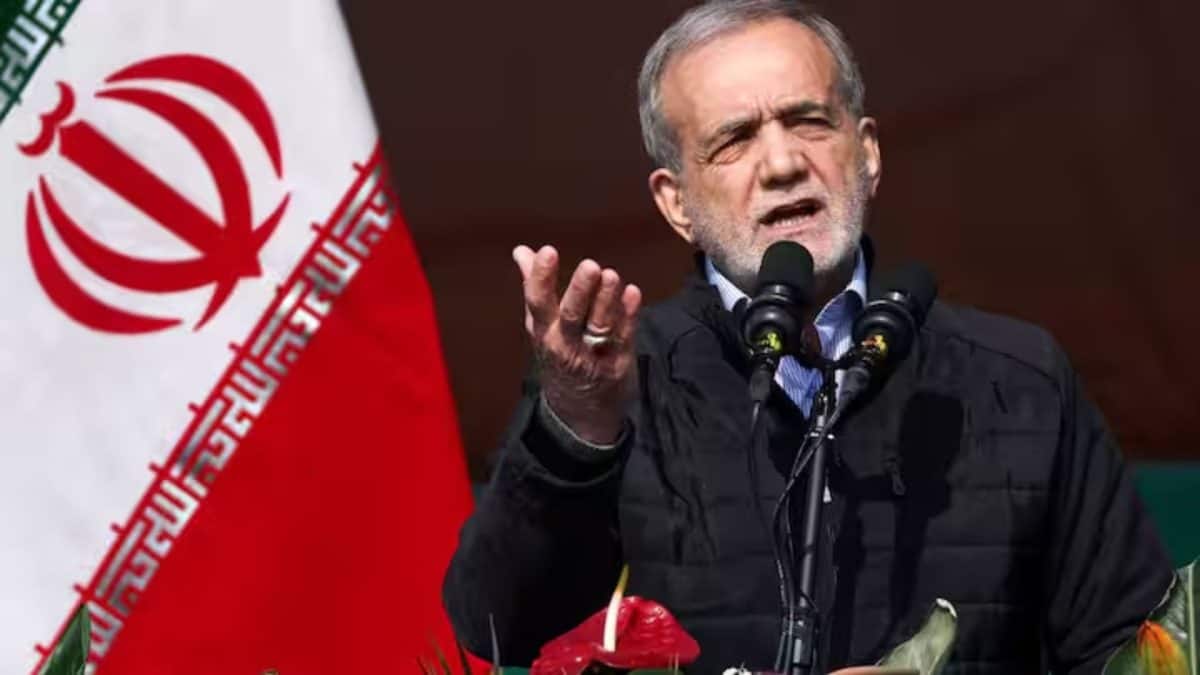
Donald Trump said he might meet Iran’s president, Masoud Pezeshkian.
However, Iran’s Revolutionary Guard said it is ready for a long war.
Saudi Arabia has also received air-raid warnings because of regional threats.
Libya’s biggest oil field reduced production after a pipeline was shut.
These risks mean oil prices could still change quickly.

Brent crude fell as much as 4.8%, while West Texas Intermediate dropped more than 6% to about $95 a barrel.
Oil and liquefied natural gas traffic through the Strait of Hormuz reached a six-month high over the past two weeks.
Saudi Arabia recorded its highest number of observed Persian Gulf oil-loading ships since June after shifting shipments back toward Hormuz.
US-Iran diplomacy, including possible talks between Donald Trump and Masoud Pezeshkian, helped temper market concerns.
Supply risks remain as Saudi Arabia faced security threats and Libya’s largest oil field cut output by more than half.
- Who
- Oil traders, the United States, Iran, Saudi Arabia, Libya, and other regional actors are involved.
- What
- Oil prices fell below $100 as energy flows through the Strait of Hormuz improved and possible US-Iran diplomacy reduced some market pressure.
- Where
- The developments involve the Strait of Hormuz, the Persian Gulf, Saudi Arabia, Iran, Libya, and New York.
- When
- The decline occurred on Monday, after increased Hormuz flows over the previous two weeks; possible diplomatic meetings were discussed for the UN General Assembly this week.
- Why
- Prices fell because oil and liquefied natural gas shipments through Hormuz increased and traders saw possible diplomatic progress, although regional supply risks remained.
Reasons for Easing Prices
Risks Supporting Higher Prices
Hormuz energy flows
Reasons for Easing Prices
Higher oil and liquefied natural gas flows through the Strait of Hormuz are reducing immediate concerns about a supply interruption.
Risks Supporting Higher Prices
The strait remains a major energy chokepoint, and regional conflict could still disrupt shipments.
US-Iran diplomacy
Reasons for Easing Prices
Possible talks between Donald Trump and Masoud Pezeshkian, along with Pakistan’s discussions in Tehran, raise hopes for progress toward peace.
Risks Supporting Higher Prices
Iran’s Islamic Revolutionary Guard Corps said it is prepared for a protracted war, indicating that the conflict may continue.
Regional supply security
Reasons for Easing Prices
Saudi Arabia’s increased Persian Gulf loadings suggest that some exports are continuing through Hormuz.
Risks Supporting Higher Prices
Saudi Arabia has received air-raid alerts and faces threats linked to Iran-backed Houthis, while Libya’s largest oil field has sharply reduced output.
Key facts
- Brent crude
- Fell as much as 4.8%.
- West Texas Intermediate
- Dropped more than 6% to trade near $95 a barrel.
- Hormuz traffic
- About 32 ships a day crossed the strait with US assistance from Sept. 17 to Sept. 19.
- Saudi oil loadings
- Observed loadings from inside the Persian Gulf reached the highest ship count at the kingdom’s main Persian Gulf port since June.
- Diesel prices
- US pump prices reached a fresh high above $6.50 a gallon.
- Libya production
- The country’s largest oil field reduced output by more than half after a pipeline was shut.
- Annual crude gain
- Crude prices are up more than 65% this year.
Quotes
Arne Lohmann Rasmussen
Chief analyst at A/S Global Risk Management
“Focus has shifted to improving oil and LNG flows through Hormuz and the possibility of diplomatic progress on the sidelines of the UN General Assembly in New York. The worst pressure on crude may be easing.”
 livemint.com
Sources
Related news

Oil Falls as Hormuz Flows and US-Iran Diplomacy Ease Fears

Oil Falls as Iran War Diplomacy Eases Hormuz Fears

Oil Prices Extend Losses as Hormuz Talks Raise Supply Hopes
Oil Prices Rise as US-Iran Ceasefire Hopes Fade
Oil Steadies as Trump Signals Iran Strikes May Be Brief
Oil Prices Slide as Iran-Oman Talks Ease Hormuz Disruption Fears

Trump’s Iran Threat Raises Fears of Wider Middle East Conflict
Diesel Prices Surge as Refinery Disruptions Tighten Global Fuel Markets

Bihar Family Searches for Seafarer Missing After Hormuz Attack
Iran Threatens New Weapons as Trump Weighs War