1 week ago
Oil Prices Slide as Iran-Oman Talks Ease Hormuz Disruption Fears
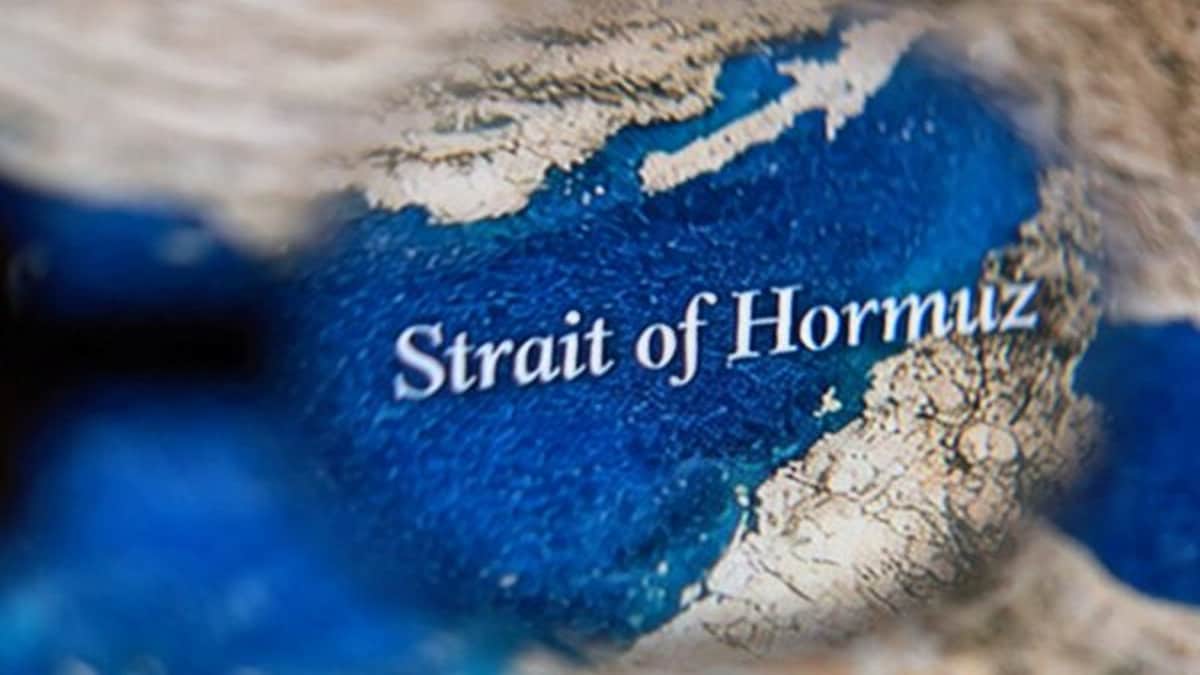
Oil prices went down because people hoped ships might move through the Strait of Hormuz again.
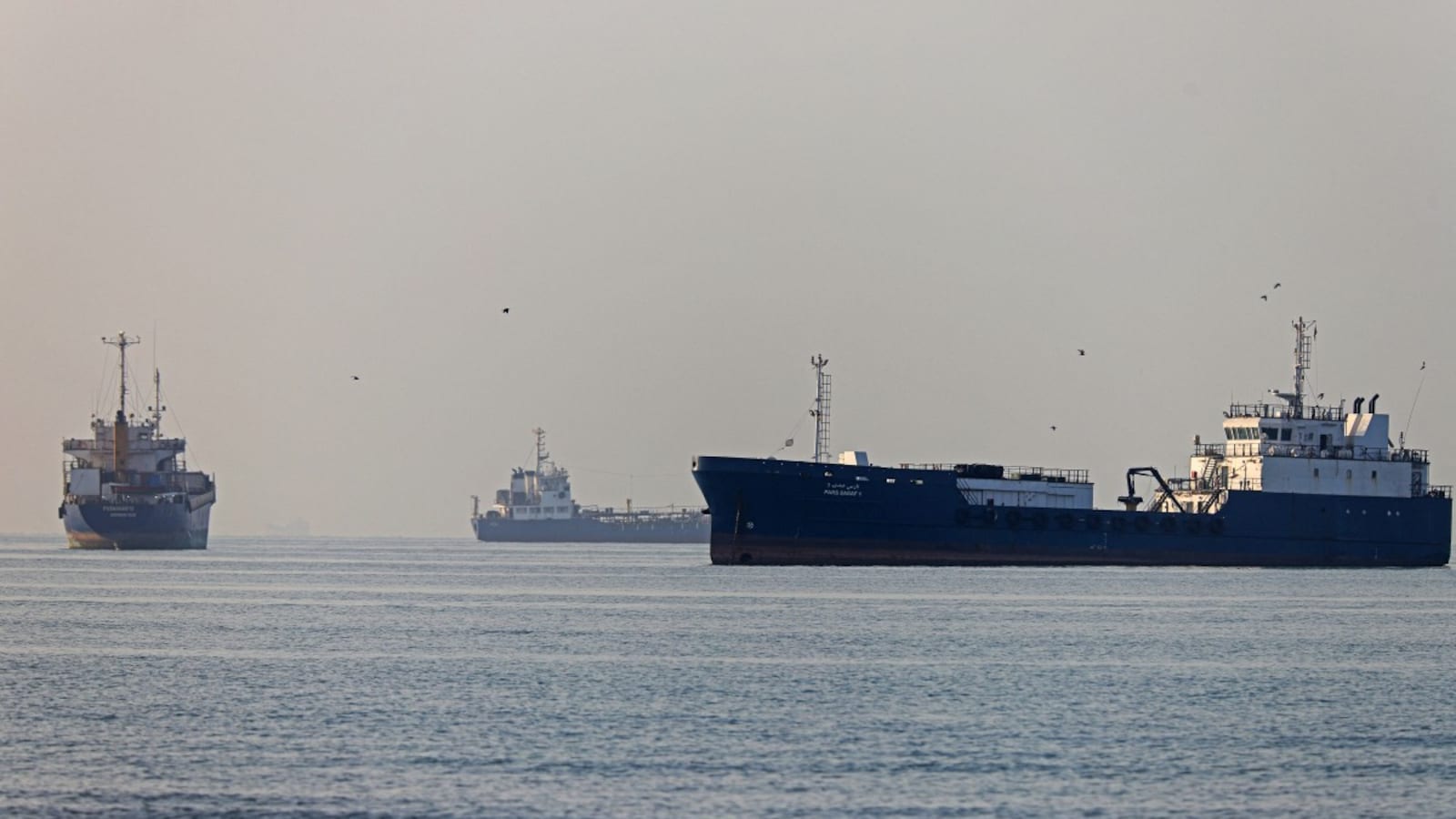
Iran and Oman are discussing a temporary route for ships.
The route is important because large amounts of energy move through the strait.
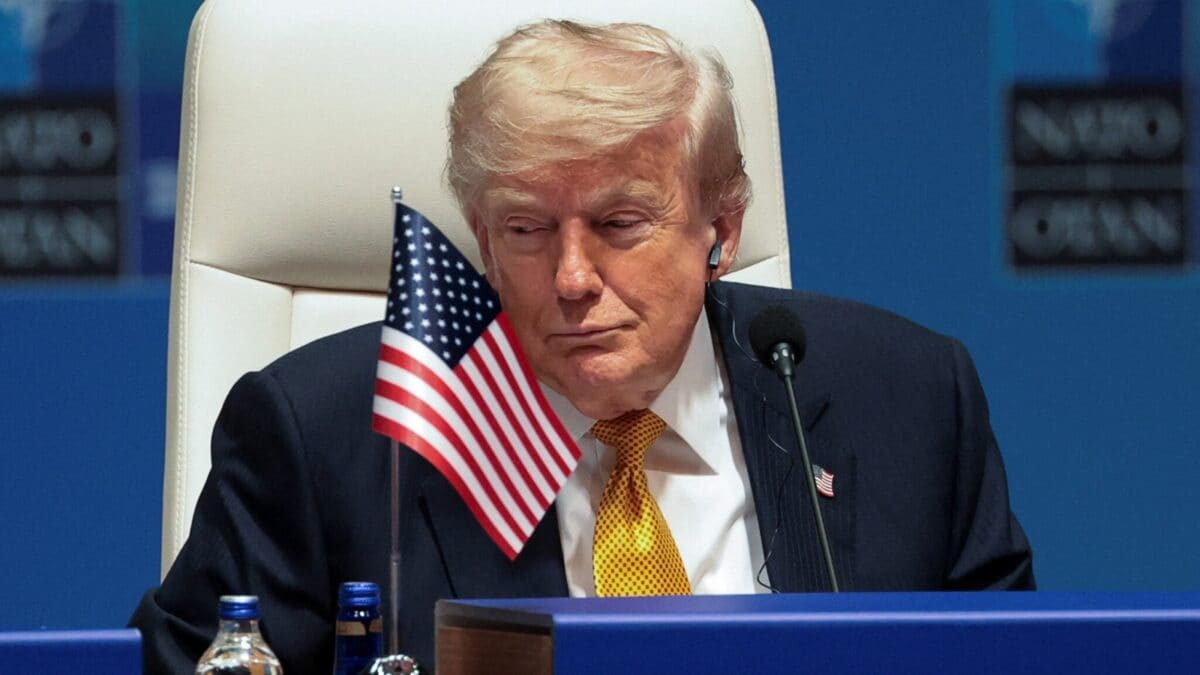
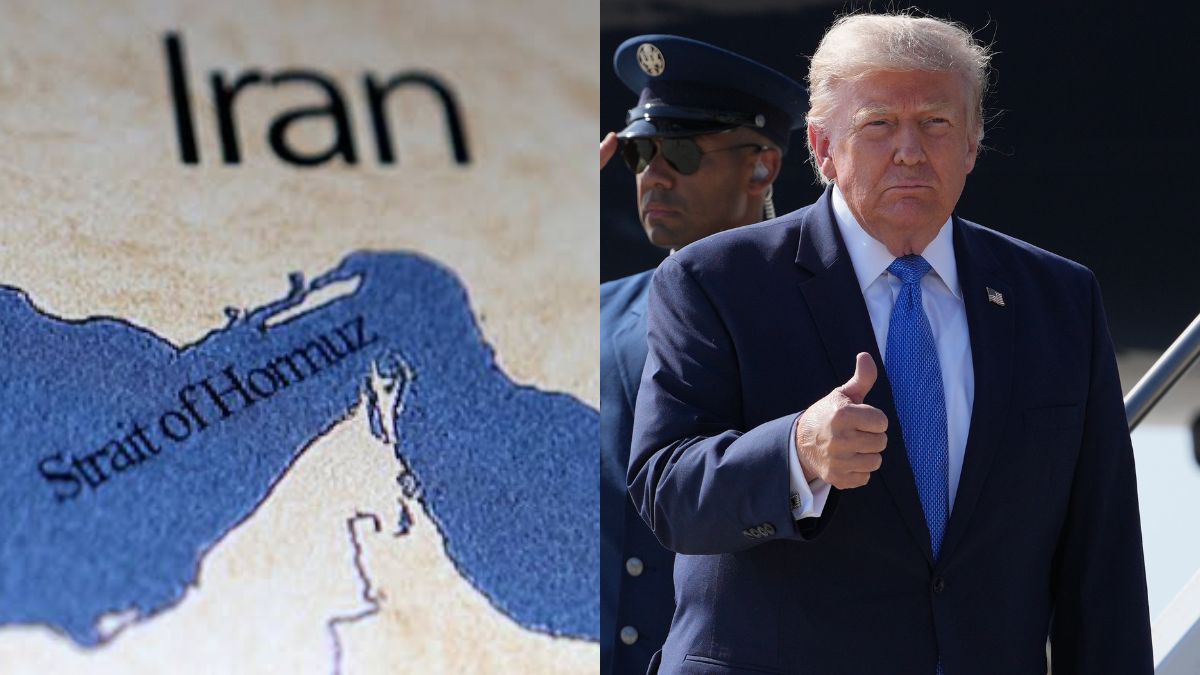
President Donald Trump said mines in the waterway had been removed or destroyed.
He also warned that new mines would be attacked.
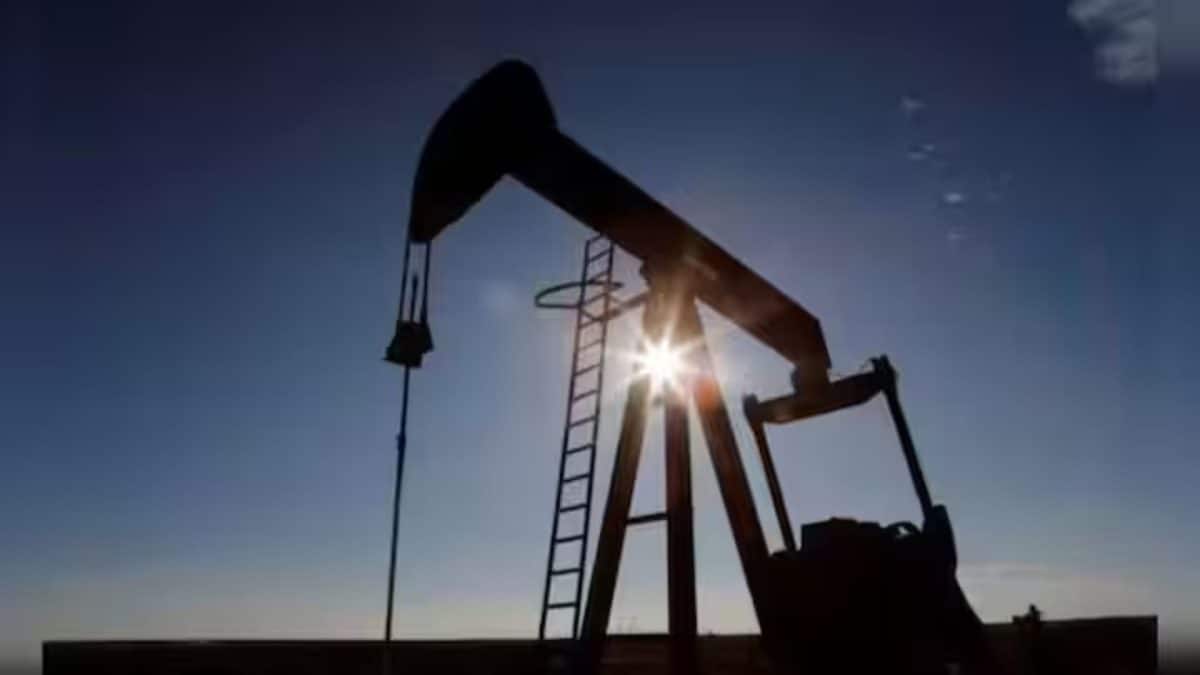
Brent crude fell below $87 per barrel, and another oil price called West Texas Intermediate traded near $81.
Pakistan said its talks with Iran had made significant progress.
However, some companies have not been able to independently confirm how much oil is really moving through the strait.
Prices could rise again if the talks fail or fighting causes new disruptions.

US oil prices fell for a third consecutive session as Iran and Oman discussed a temporary shipping corridor through the Strait of Hormuz.
The proposed corridor and reported efforts to clear mines raised hopes that shipping could resume and global oil flows could normalize.
Brent crude fell below $87 a barrel, while West Texas Intermediate traded near $81; Brent’s weekly decline reached about 8%.
President Donald Trump said mines had been detonated or removed from international waters, but shipping and energy data firms have struggled to verify reported oil flows independently.
Pakistan reported significant progress after talks in Tehran focused on reopening Hormuz, preventing escalation and pursuing a negotiated end to the war.
- Who
- Iran, Oman, the United States, President Donald Trump, Pakistan and oil traders are involved in or affected by the developments.
- What
- Iran and Oman are discussing a temporary shipping corridor through the Strait of Hormuz, while diplomatic efforts address the wider US-Iran conflict and oil markets react.
- Where
- The Strait of Hormuz and Tehran, where Pakistan reported talks involving Iran’s leadership.
- When
- Oil prices fell for a third consecutive session; the articles do not provide a calendar date.
- Why
- The proposed corridor, reported mine-clearance efforts and diplomatic discussions raised hopes that shipping and global oil flows could resume more normally.
Signs of Reopening
Continuing Uncertainty
Shipping prospects
Signs of Reopening
Iran and Oman are discussing, and reportedly working toward, a temporary navigational corridor that could allow shipping through Hormuz to resume.
Continuing Uncertainty
The arrangement remains a diplomatic effort, and the articles do not establish that normal shipping has been fully restored.
Mine clearance
Signs of Reopening
Donald Trump said all mines in the strait’s international waters had been detonated or removed, and said the United States was monitoring the waterway.
Continuing Uncertainty
The mine-clearance statement is presented as Trump’s claim, while shipping and energy data firms have struggled to independently verify broader reports about activity and oil flows.
Market outlook
Signs of Reopening
A sustained reopening could reduce fears of a prolonged supply disruption and lower the risk premium in crude prices.
Continuing Uncertainty
Renewed escalation or failed talks could quickly disrupt supplies again, reversing the recent price decline.
Key facts
- Proposed corridor
- Iran and Oman agreed to work toward a joint temporary navigational corridor through the Strait of Hormuz, according to the cited report.
- Oil prices
- Brent crude fell below $87 a barrel, while West Texas Intermediate traded near $81.
- Weekly decline
- Brent crude’s weekly decline reached about 8%.
- Mine-clearance claim
- Donald Trump claimed that mines had been detonated or removed from the strait’s international waters.
- Reported oil flow
- Chris Wright said more than 15 million barrels of crude and oil products moved out of the waterway in one day.
- Seven-day average
- Wright said average exports through the strait exceeded 8 million barrels per day; he had earlier estimated the average at around 9 million barrels per day.
- Verification uncertainty
- Shipping and energy data firms have struggled to independently verify the full oil-flow volumes cited by the US administration.
- Pakistan talks
- Pakistan reported significant progress after discussions in Tehran focused on reopening Hormuz, preventing escalation and seeking a negotiated end to the war.
Sources
Related news
Iran and Oman Advance Interim Strait of Hormuz Corridor
Oil Prices Fall as Iran-Oman Talks Ease Hormuz Fears

Oil Prices Slip as Iran-Oman Talks Raise US-Iran Peace Hopes
Oil Prices Slide as Hormuz Reopening Eases Supply Fears

Iran Seizes Fuel-Smuggling Vessel in Gulf, Arrests 11 Crew
Trump Floats Renaming Strait of Hormuz as “Trump Strait”

Chevron Plans $7 Billion Venezuela Expansion Amid U.S. Oil Push
Saudi Tanker Hit in Hormuz, Killing Two Filipino Sailors

U.S.-Iran Exchange Escalates Across Middle East, Markets Slide