

1 day ago
Iran Threatens New Weapons as Trump Weighs War
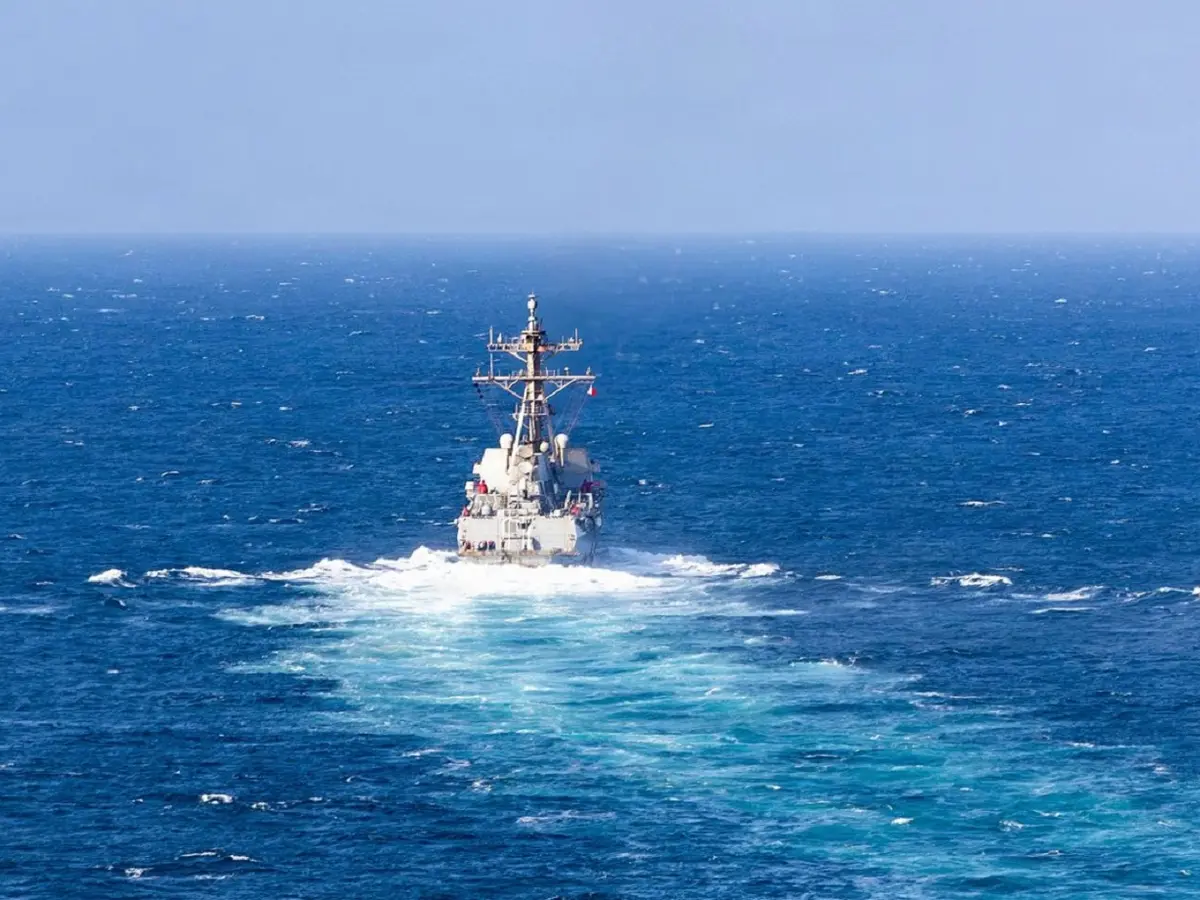
Tensions are rising between Iran, the United States, Saudi Arabia and the Houthis in Yemen.
Iran says it has powerful new weapons if fighting starts again.
Donald Trump considered attacking the Houthis but reportedly decided not to do so for now.
Saudi Arabia has continued fighting the Houthis with airstrikes.
The Houthis are allowing most ships through a major Red Sea passage but are stopping ships connected to Saudi Arabia.
Iran also says its air defenses shot down an American drone near the Strait of Hormuz.
These events could threaten two important shipping routes.
At the same time, people are trying to reopen talks between Iran and the United States.
Iran’s president is expected to travel to New York for a United Nations meeting.
Pakistan’s interior minister is also visiting Tehran.

Iran warned that renewed attacks would alter the geography of war and unveil previously unseen weapons.
Donald Trump reportedly considered strikes on the Houthis before reversing course, leaving Saudi Arabia to respond largely alone.
The Houthis have allowed most commercial vessels through Bab al-Mandeb but are targeting vessels linked to Saudi Arabia.
Saudi Arabia has conducted scores of airstrikes on Houthi-held areas but has not stopped the group’s advance.
Diplomatic contacts may resume as Iranian President Masoud Pezeshkian prepares to attend the United Nations General Assembly in New York.
- Who
- Iran, the United States under Donald Trump, Saudi Arabia, the Houthi movement in Yemen, and diplomatic mediators are central to the developments.
- What
- Regional tensions are escalating over possible US action against Iran and the Houthis, attacks involving Saudi Arabia, and efforts to reopen Iran-US negotiations.
- Where
- The developments involve Iran, Yemen, Saudi Arabia, the Strait of Hormuz, the Bab al-Mandeb Strait, Qatar, Tehran, and New York.
- When
- The article describes recent developments and says the conflict began on February 28 of this year; Pezeshkian is scheduled to attend the United Nations General Assembly.
- Why
- The tensions are linked to Iran’s confrontation with the United States, Houthi attacks and territorial advances, Saudi military action, and disputes over shipping routes.
Escalation Advocates
De-escalation Advocates
US response to the Houthis
Escalation Advocates
Supporters of military action argue that strikes could respond to Houthi attacks and protect Saudi Arabia and regional shipping.
De-escalation Advocates
The Trump administration has so far held back from intervention, with a line of communication remaining open to the Houthis.
Response to Iran
Escalation Advocates
Trump has identified destroying Iran, imposing continued economic pressure, or taking military action as possible approaches amid the deadlock.
De-escalation Advocates
Iran and regional mediators are signaling a possible diplomatic route, including efforts to revive negotiations with the United States.
Saudi military strategy
Escalation Advocates
Saudi Arabia has answered Houthi attacks and advances with scores of airstrikes on Houthi-held areas.
De-escalation Advocates
The continued Houthi advance despite the airstrikes illustrates the risks of relying on military action alone.
Key facts
- US position on Houthis
- Donald Trump reportedly considered strikes on the Houthis, then reversed his decision; communications remain open between the group and his administration.
- Iran’s warning
- Iran said renewed attacks would change the geography of war and bring unseen weapons to the battlefield.
- Bab al-Mandeb
- The Houthis are reportedly allowing commercial vessels through except those linked to Saudi Arabia.
- Saudi response
- Saudi Arabia has carried out scores of airstrikes on Houthi-held areas but has not stopped the group’s advance.
- Strait of Hormuz
- Iranian air defenses reportedly shot down an American drone, while UK Maritime Trade Operations warned about an alleged Iranian attack on a vessel.
- Diplomatic opening
- Mediators in Qatar are reportedly working to revive negotiations between Iran and the United States.
- Upcoming visit
- Iranian President Masoud Pezeshkian is scheduled to travel to New York for the United Nations General Assembly.
Sources
Related news
Trump Weighs Yemen Strikes After Houthi Attack on Riyadh
Trump Signals Decisive Iran Action Amid Regional Escalation
Iran’s IRGC warns Trump escalation could widen West Asia war
US Warns Saudi-Houthi Fighting Could Escalate Rapidly After Riyadh Attack

US Warns Americans to Leave Iran as Regional Tensions Escalate
Trump Nears Major Decision on Possible Strike Against Iran

Trump Threatens Annihilation as UN Diplomacy Seeks Iran Deal
Iran Sets Conditions for Reopening Strait of Hormuz
Trump Says Good Iran Talks Follow Annihilation Threat
Jio-bp Caps Diesel Sales as Global Supply Pressures Intensify

Saudi Pipeline Restart Eases Asia Supply Fears, But Prices Rise
