3 weeks ago
H1N1 Day-1 Symptoms: Warning Signs That Differ From Common Cold
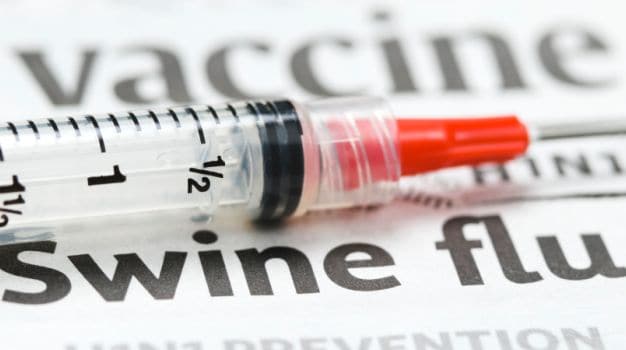
There is a germ called the H1N1 virus, also known as swine flu, that can make people sick.
It spreads when a sick person coughs, sneezes, talks, or breathes near other people.
Swine flu can feel a lot like a regular cold, which can be confusing.
On the first day, swine flu usually starts suddenly with a high fever.
It can also cause chills, strong body aches, a headache, a dry cough, and feeling very, very tired.
With a regular cold, people mostly sneeze and have a runny nose, but a high fever is rare.
Swine flu makes people feel much more tired and achy than a cold usually does.
A yearly flu shot, washing hands, and staying home when sick help protect everyone.
If someone has trouble breathing, chest pain, blue lips, confusion, or gets worse after feeling better, they need a doctor right away.
Seeing a doctor early and getting treatment can help people get better sooner.

H1N1, commonly known as swine flu, is a contagious subtype of influenza A that affects the nose, throat, and sometimes the lungs.
Day-1 warning signs include a sudden high fever above 100°F (37.8°C), severe body aches, chills and shivering, persistent headache, dry cough, and extreme tiredness.
Unlike a common cold, H1N1 typically brings sudden-onset fever, severe aches, significant fatigue, chills, and frequent headache, while sneezing and a runny nose are more common with a cold.
Red flags requiring medical attention include difficulty breathing, persistent chest pain, blue lips or face, confusion, severe dehydration, and symptoms worsening after initial improvement.
Higher-risk groups include pregnant women, older adults, young children, people with diabetes, patients with heart disease, and those with weakened immunity.
- Who
- People infected with the H1N1 (swine flu) virus, especially higher-risk groups such as pregnant women, older adults, young children, people with diabetes, heart disease patients, and those with weakened immunity.
- What
- H1N1 (swine flu) cases are being reported globally and in India; the article details day-1 symptoms that differentiate swine flu from a common cold and lists warning signs requiring medical treatment.
- Where
- Globally and in India, according to India's National Centre for Disease Control (NCDC).
- When
- The article describes ongoing surveillance of the seasonal disease and notes that the H1N1 strain gained global attention with the outbreak of 2009.
- Why
- Because swine flu requires medical treatment while a common cold can be managed with over-the-counter medication; early recognition of symptoms allows timely treatment.
Key facts
- Disease
- H1N1 (swine flu), a subtype of influenza A
- Affected areas
- Nose, throat, and sometimes lungs
- Fever threshold
- Above 100°F (37.8°C)
- Transmission
- Respiratory droplets from coughing, sneezing, talking, or breathing
- Key day-1 symptoms
- Sudden high fever, severe body aches, chills, headache, dry cough, extreme tiredness
- Red flag symptoms
- Difficulty breathing, persistent chest pain, blue lips or face, confusion, severe dehydration, worsening after improvement
- Higher-risk groups
- Pregnant women, older adults, young children, diabetics, heart disease patients, immunocompromised
- Prevention
- Annual flu vaccination, hand hygiene, respiratory etiquette, avoiding close contact, staying home when sick
Sources
Related news

H1N1 Swine Flu Can Resemble Common Viral Fever

Emraan Hashmi Tests Positive For H1N1 Amid Health Warnings
H1N1 Surge: Infection Can Occur Without A Fever
H1N1 Cases Surge in India as Symptoms Arrive Suddenly
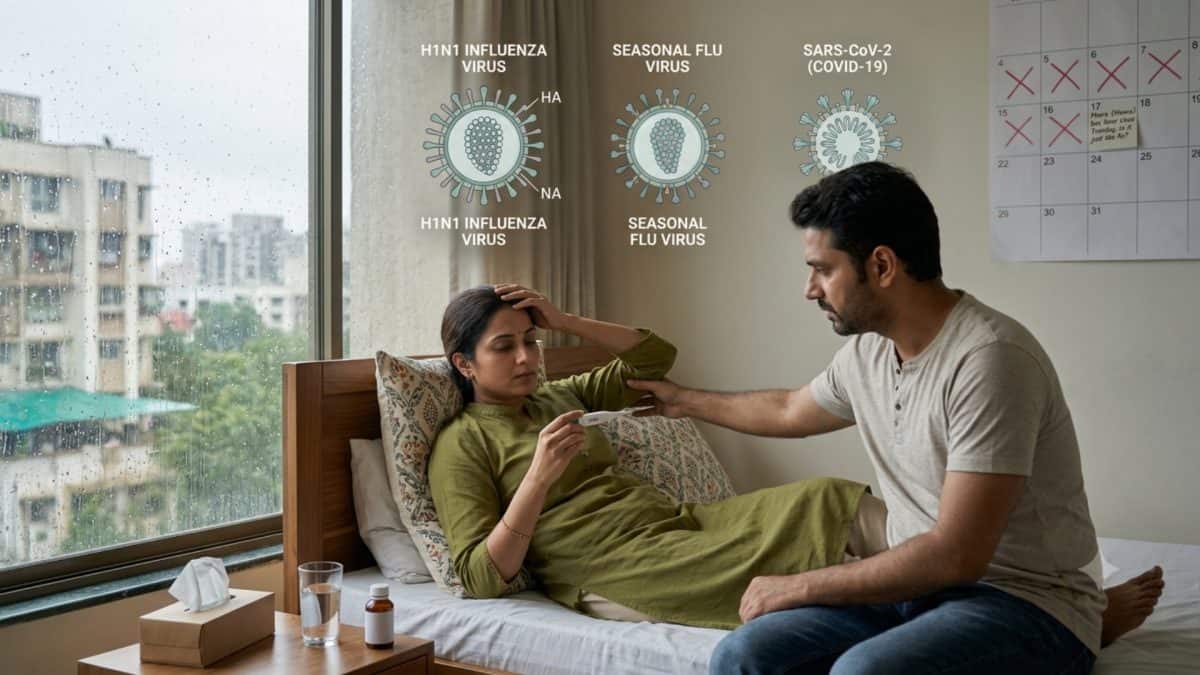
Delhi, Bengaluru H1N1 Surge as Doctors Compare COVID-19

H1N1 Cases Rise in India; Simple Ways to Protect Yourself

Ashwagandha Tablets for Anxiety Relief

World Coconut Day 2026: Coconut Water Myths and Facts

CDC Questions Pennsylvania Measles Deaths Amid Federal-State Dispute

Why Mountain Treks Can Leave Fit People Breathless

Shapiro, Kennedy Clash Over Pennsylvania’s Deadly Measles Outbreak