9 hrs ago
H1N1 Surge: Infection Can Occur Without A Fever

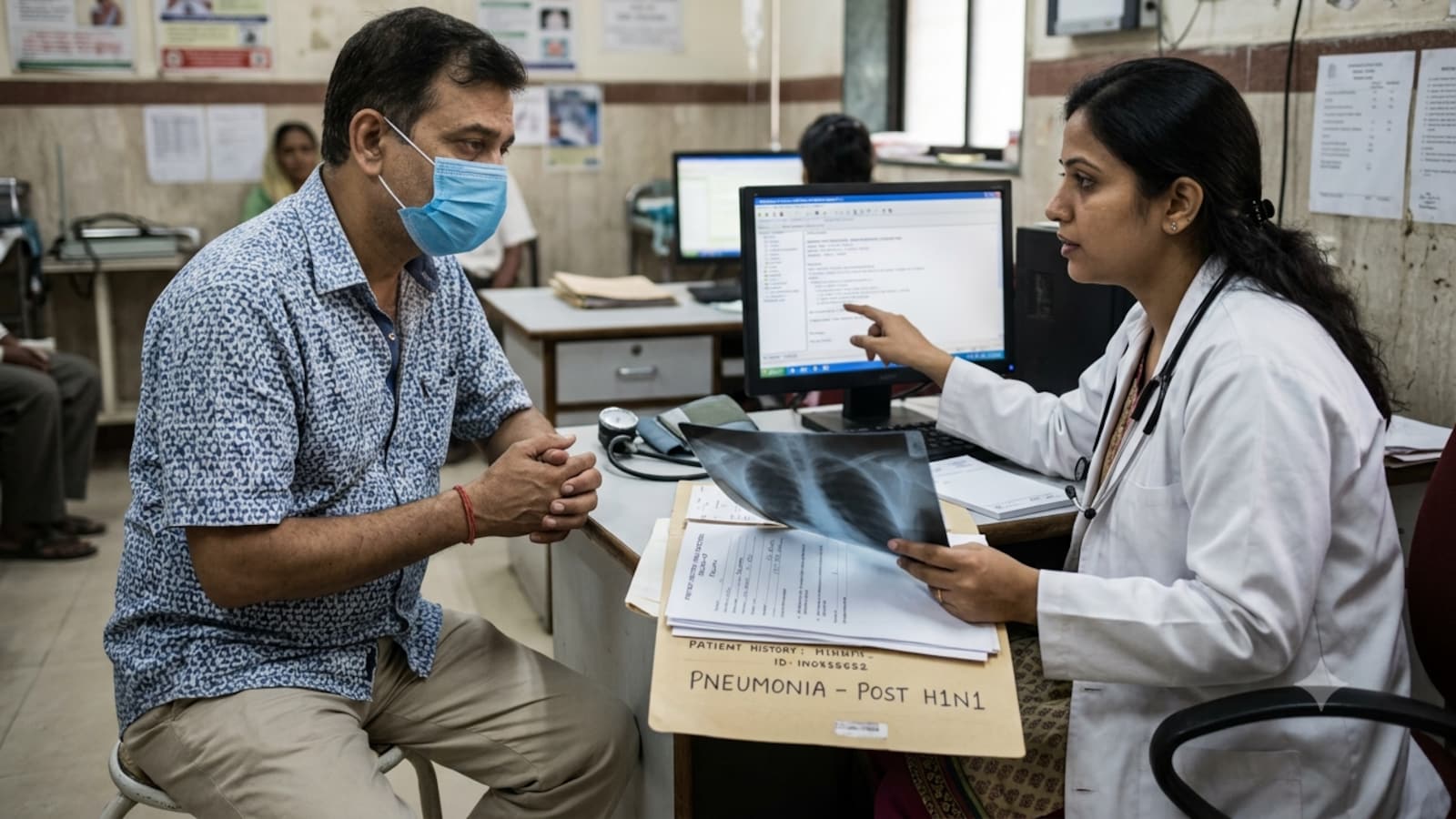
H1N1 is a virus that can make people sick.
Many people with it develop a fever, but some do not.
The article says about one in seven patients may have H1N1 without a fever.
Other signs can include coughing, a sore throat, a blocked or runny nose, tiredness and body aches.
These signs can look like a common cold.
People who are older, pregnant, very young, immunocompromised or have certain health conditions may face greater risks.
Anyone with serious symptoms such as trouble breathing or chest pain should seek medical help.
Washing hands, avoiding sick people, staying home when ill and getting an annual flu vaccine can help reduce risk.

About one in seven H1N1 patients may not develop a fever, according to the article.
Possible symptoms include cough, sore throat, runny nose, fatigue, headache, body aches and shortness of breath.
Early signs can resemble a common cold and include a scratchy throat, dry cough, fatigue and nasal congestion.
Older adults, immunocompromised people, those in early infection stages and people taking fever-reducing medicine may lack a fever.
Breathing difficulty, chest pain, bluish lips, confusion, dizziness and severe dehydration require medical attention.
- Who
- People infected with H1N1, particularly older adults, young children, pregnant women, immunocompromised people and those with certain medical conditions.
- What
- The article explains that H1N1 infection can occur without fever and describes symptoms, warning signs, testing considerations and prevention measures.
- Where
- Cases were detected through the Indian Council of Medical Research surveillance network; no specific location is provided.
- When
- During the recent spike in H1N1 cases; the articles do not provide a specific date.
- Why
- To emphasize that absence of fever does not rule out H1N1 and to explain when testing, medical attention and preventive measures may be appropriate.
Key facts
- Fever-free infections
- The article states that about one in seven H1N1 patients may not develop a fever.
- Other symptoms
- Cough, sore throat, runny or blocked nose, fatigue, headache, body aches, chills and shortness of breath may occur.
- Early signs
- Scratchy throat, dry cough, extreme fatigue, mild body pain and nasal congestion are listed as early signs.
- Higher-risk groups
- Pregnant women, older adults, young children and people with diabetes, heart disease, lung disease or compromised immunity may face greater risk.
- Warning signs
- Difficulty breathing, chest pain, persistent high fever, bluish lips, dizziness, confusion and severe dehydration warrant medical attention.
- Testing considerations
- Testing is advised in the article for people exposed to an infected person, those in areas with multiple cases, people with several matching symptoms and people with high-risk conditions.
- Prevention
- Suggested measures include frequent handwashing, respiratory hygiene, avoiding close contact with sick people, staying home when symptomatic and annual influenza vaccination.
Sources
Related news
H1N1 Day-1 Symptoms: Warning Signs That Differ From Common Cold

Emraan Hashmi Tests Positive For H1N1 Amid Health Warnings

H1N1 Symptoms Can Include More Than Fever and Cough

Delhi records nearly six-fold rise in H1N1 cases in 2026

H1N1 Swine Flu Can Resemble Common Viral Fever
Why Fever Alone Cannot Distinguish H1N1 From Dengue

Seven Warning Signs H1N1 Flu Is Getting Worse

Health Ministry Warns Children, High-Risk Groups About H1N1

India’s H1N1 Surge Highlights Low Uptake of Flu Vaccination

H1N1 Reinfection Is Possible Despite Previous Illness, Doctor Explains