12 hrs ago
World Coconut Day 2026: Coconut Water Myths and Facts
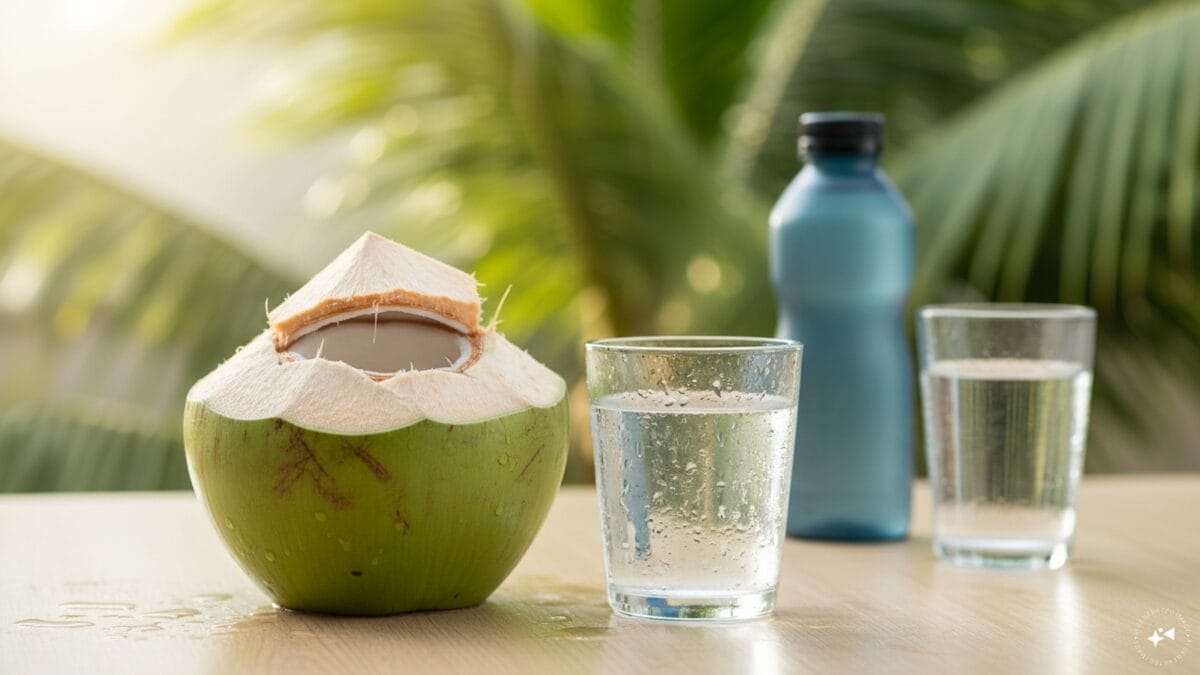
Coconut water can help hydrate you because it contains water and minerals called electrolytes.
These include potassium, sodium and magnesium.
However, it is not always better than plain water.
Water is usually enough when you are sitting, studying or doing everyday activities.
Coconut water may be helpful after sweating or exercising moderately.
During long and intense exercise, sports drinks may provide more sodium and carbohydrates.
Coconut water also contains natural sugar, and some packaged versions have added sugar.
People with kidney problems may need to limit potassium and should ask a healthcare professional for advice.
The best drink depends on what your body needs.

Coconut water provides electrolytes, but plain water remains effective for routine hydration.
Its potassium content may be useful after activity, while its relatively low sodium can limit its value during prolonged, intense exercise.
Coconut water contains natural sugars, and some packaged products may include added sugar.
Fresh and packaged coconut water can differ in ingredients, processing and nutritional content.
People with kidney disease or potassium restrictions should consult a healthcare professional before drinking it regularly.
- Who
- People choosing drinks for hydration, including those exercising and people with kidney or potassium-related dietary concerns.
- What
- The article examines whether coconut water is better than plain water or sports drinks and separates common claims from evidence-based facts.
- Where
- The article discusses coconut water generally and references nutritional information from Ohio State Health And Discovery.
- When
- September 2, 2026, World Coconut Day.
- Why
- To explain when coconut water may be useful, when water or electrolyte drinks may be more appropriate, and why health claims should not be overstated.
Coconut Water Benefits
Evidence-Based Limitations
Everyday hydration
Coconut Water Benefits
Coconut water offers fluids and naturally occurring electrolytes, making it an appealing beverage option.
Evidence-Based Limitations
Plain water is generally sufficient for routine activities and avoids the calories and sugars found in coconut water.
Exercise recovery
Coconut Water Benefits
Coconut water can provide hydration and electrolytes after sweating or moderate activity.
Evidence-Based Limitations
During prolonged, intense exercise, its relatively low sodium content may make a properly formulated electrolyte drink more suitable.
Health claims
Coconut Water Benefits
Coconut water contains potassium, calcium, magnesium, vitamin C and plant-derived antioxidants and can replace sugary soft drinks.
Evidence-Based Limitations
Evidence for major benefits involving blood sugar, heart health or disease prevention remains developing and should not be treated as conclusive.
Key facts
- World Coconut Day
- Observed annually on September 2.
- 2026 theme
- “Coconuts in Times of Uncertainty: Securing Food, Energy, and Livelihoods,” announced by the International Coconut Community.
- Routine hydration
- Plain water is described as a simple and effective choice without calories or naturally occurring sugars.
- Coconut water nutrients
- It naturally contains electrolytes including potassium, sodium and magnesium, as well as carbohydrates and sugars.
- Example potassium content
- One cup of store-bought coconut water can contain around 470 milligrams of potassium, according to Ohio State Health And Discovery; values vary by product.
- Exercise considerations
- Prolonged, intense exercise may require more sodium and carbohydrates than coconut water typically provides.
- Product labels
- Consumers are advised to check added sugar, carbohydrates, sodium, potassium, serving size and ingredients in packaged products.
Sources
Related news

Why You May Not Need a 40-Ounce Water Bottle

Running Hydration: Why the 85% Hyper Sweating Rule Isn’t Universal
World Coconut Day Celebrates Tree of Life’s Global Significance

Doctor Explains 80% Hydration Rule for Safer Running

TikTok's Viral Cortisol Cocktail Lacks Evidence, Experts Warn