1 day ago
WTO Raises 2026 Global Trade Growth Forecast to 3.9%
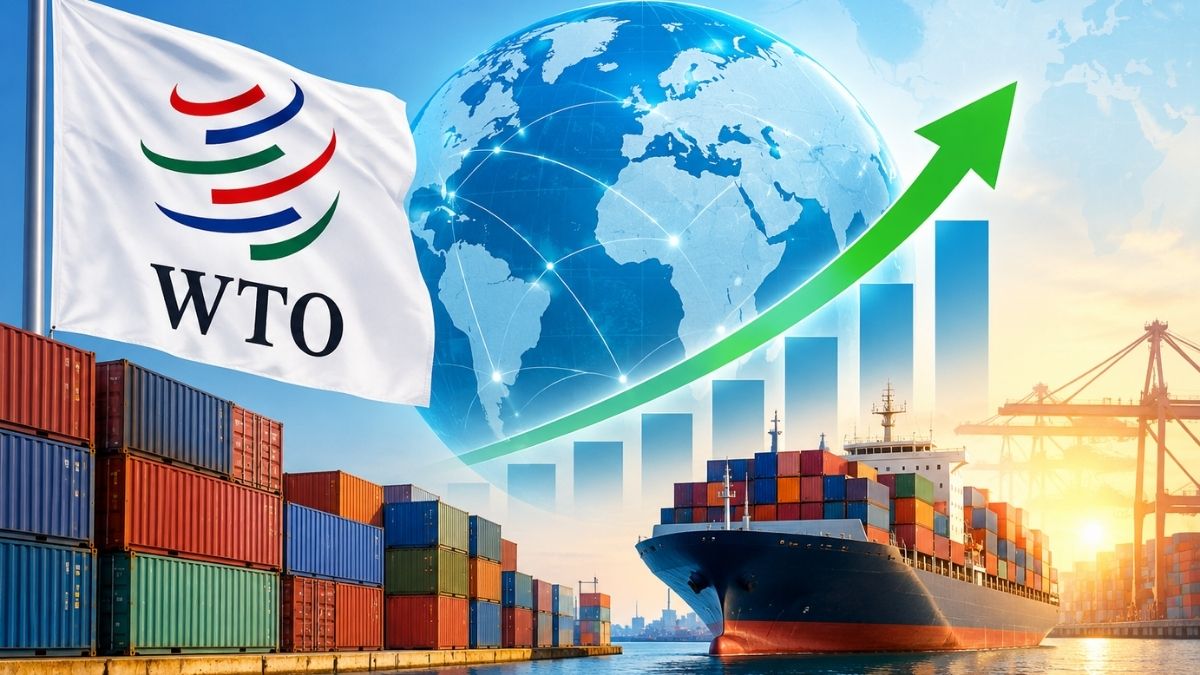
The World Trade Organization expects countries to trade more goods in 2026 than it predicted earlier.
It now forecasts goods trade to grow by 3.9%, instead of 1.9%.
Trade grew more than expected in the first half of the year, partly because companies adapted their shipping routes and suppliers.
Businesses also bought many goods used to build artificial intelligence systems.
Conflict in the Middle East is still making energy and transport more difficult and costly.
The WTO expects trade in services, such as transport and travel, to grow more slowly in 2026.
Asia is expected to have the fastest growth in goods exports.
The WTO forecasts goods trade growth of 4.1% in 2027.

The WTO raised its 2026 global merchandise trade growth forecast to 3.9%, from 1.9% in March, and projects 4.1% growth in 2027.
Merchandise trade grew 3.5% in the first half of 2026; AI-enabling goods accounted for 47% of that growth, with their trade rising 67% year-on-year.
The WTO said supply chains adapted to disruptions by switching suppliers and rerouting shipments, while conflict-related energy and transport pressures remain risks.
Commercial services trade growth is forecast at 3.3% in 2026, down from 4.8%, before rising to 6.4% in 2027.
Asia is projected to lead merchandise export growth at 9.9%; West Asia exports are forecast to fall 17.2% in 2026.
- Who
- The World Trade Organization (WTO), whose outlook includes comments from Director-General Ngozi Okonjo-Iweala.
- What
- The WTO raised its forecast for global merchandise trade volume growth in 2026 to 3.9%, from 1.9%.
- Where
- Worldwide, with regional projections including Asia and West Asia.
- When
- The outlook was released Thursday and forecasts trade for 2026 and 2027.
- Why
- Stronger-than-expected merchandise trade in the first half of 2026, supply-chain adaptation, and investment in AI-related infrastructure supported the higher forecast; conflict-related disruption remains a risk.
Reasons for the stronger forecast
Risks to trade
Merchandise trade outlook
Reasons for the stronger forecast
The WTO raised its forecast after stronger-than-expected first-half trade and supply chains adapted through alternative suppliers and routes.
Risks to trade
The WTO said Middle East conflict could weigh on trade through higher energy prices and transport disruptions.
AI and trade opportunities
Reasons for the stronger forecast
Investment in AI infrastructure and rising trade in AI-enabling goods were major supports for merchandise trade.
Risks to trade
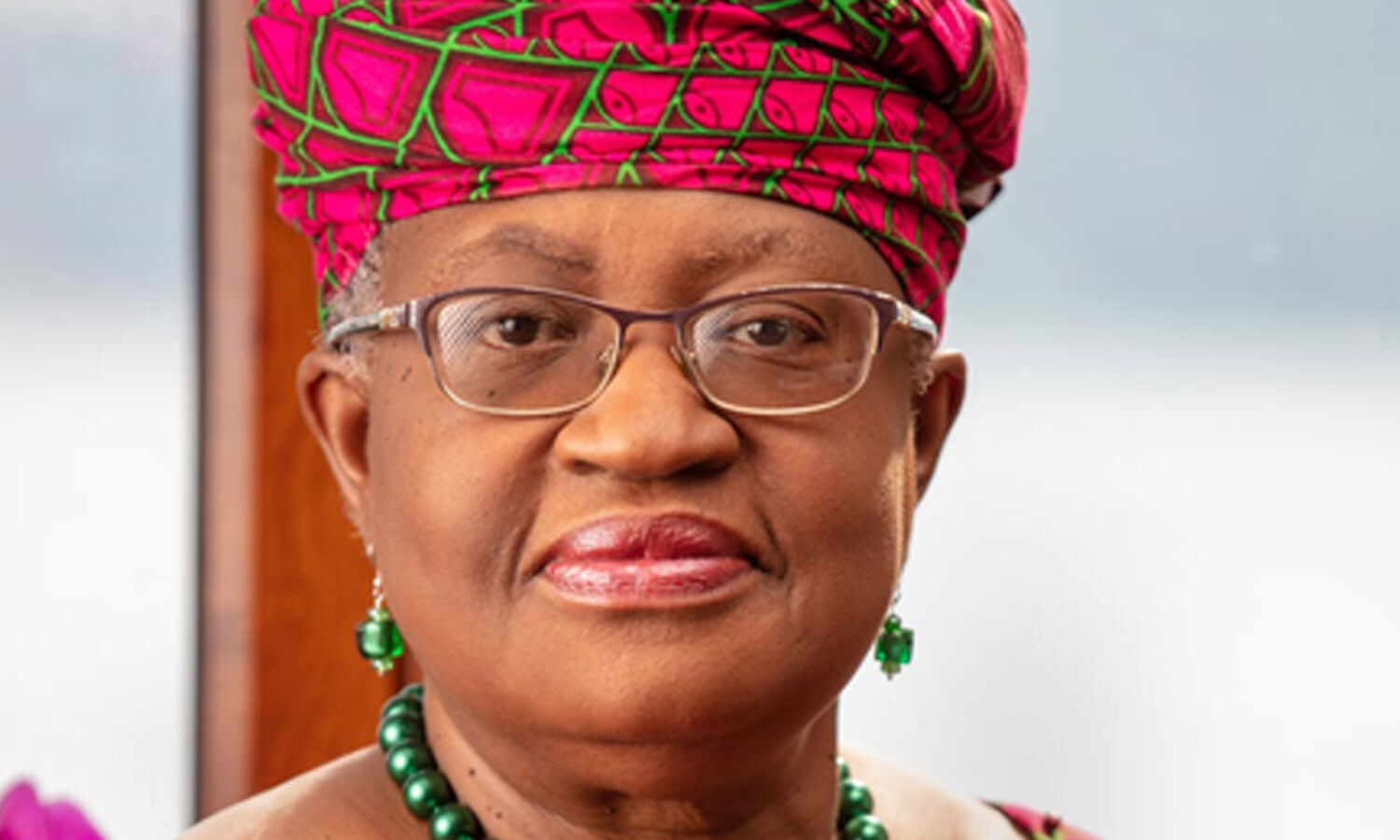
WTO Director-General Ngozi Okonjo-Iweala said the rules-based trading system must ensure emerging opportunities such as AI are accessible to all.
Services trade
Reasons for the stronger forecast
The WTO still expects services trade to grow, with a forecast rebound to 6.4% in 2027.
Risks to trade
The 2026 services growth forecast was cut to 3.3% from 4.8%, amid effects on transport and international travel.
Key facts
- Merchandise trade growth forecast
- 3.9% in 2026, revised up from 1.9%; 4.1% in 2027
- Global GDP growth forecast
- 2.6% in 2026 and 2.9% in 2027
- Commercial services trade growth
- 3.3% in 2026, down from the March forecast of 4.8%; 6.4% in 2027
- AI-related trade
- AI-enabling goods accounted for 47% of merchandise trade growth in the first half of 2026; trade in these goods rose 67% year-on-year
- Global AI infrastructure spending
- Projected to increase by at least 30% in 2026
- Regional merchandise exports
- Asia is forecast to grow 9.9% in 2026; West Asia is forecast to contract 17.2%
- West Asia services exports
- Projected to contract 10.3% in 2026
Quotes

World Trade Organization
International organization that publishes the trade outlook
“Given stronger-than-expected merchandise trade growth in the first half of 2026, WTO economists now expect world merchandise trade volume to increase by 3.9 % in 2026 and 4.1 % in 2027, while global GDP growth is forecast at 2.6 % and 2.9 %, respectively”
 CNBC TV 18
“The revision reflects evidence that global supply chains adapted to disruptions in energy and fertiliser markets, while strong investment in AI-related infrastructure boosted trade in AI-enabling goods”
CNBC TV 18
Sources
Related news
Global Trade Outpaces Forecasts Despite Tariffs and Systemic Strains
UN Projects Slower Global Growth as Geopolitical Risks Rise

UN Warns Developing-Economy Growth Is Splitting as Asian Economies Lead

India’s Merchandise Exports Estimated to Rise 15% Amid Uncertainty

OECD Says Global Economy Resilient Despite Mounting Threats
India’s August Goods Exports Surge 26%, Narrowing Trade Deficit

Crude Oil Moves Through Hormuz as Fuel Shortages Persist

International Coffee Day Highlights Coffee’s Global Connections and Farmers

Ground-Level Ozone Exposes Nearly Half World Population

America Lags in Memory Chips as Tariffs Threaten Progress