

1 hr ago
Global Trade Outpaces Forecasts Despite Tariffs and Systemic Strains
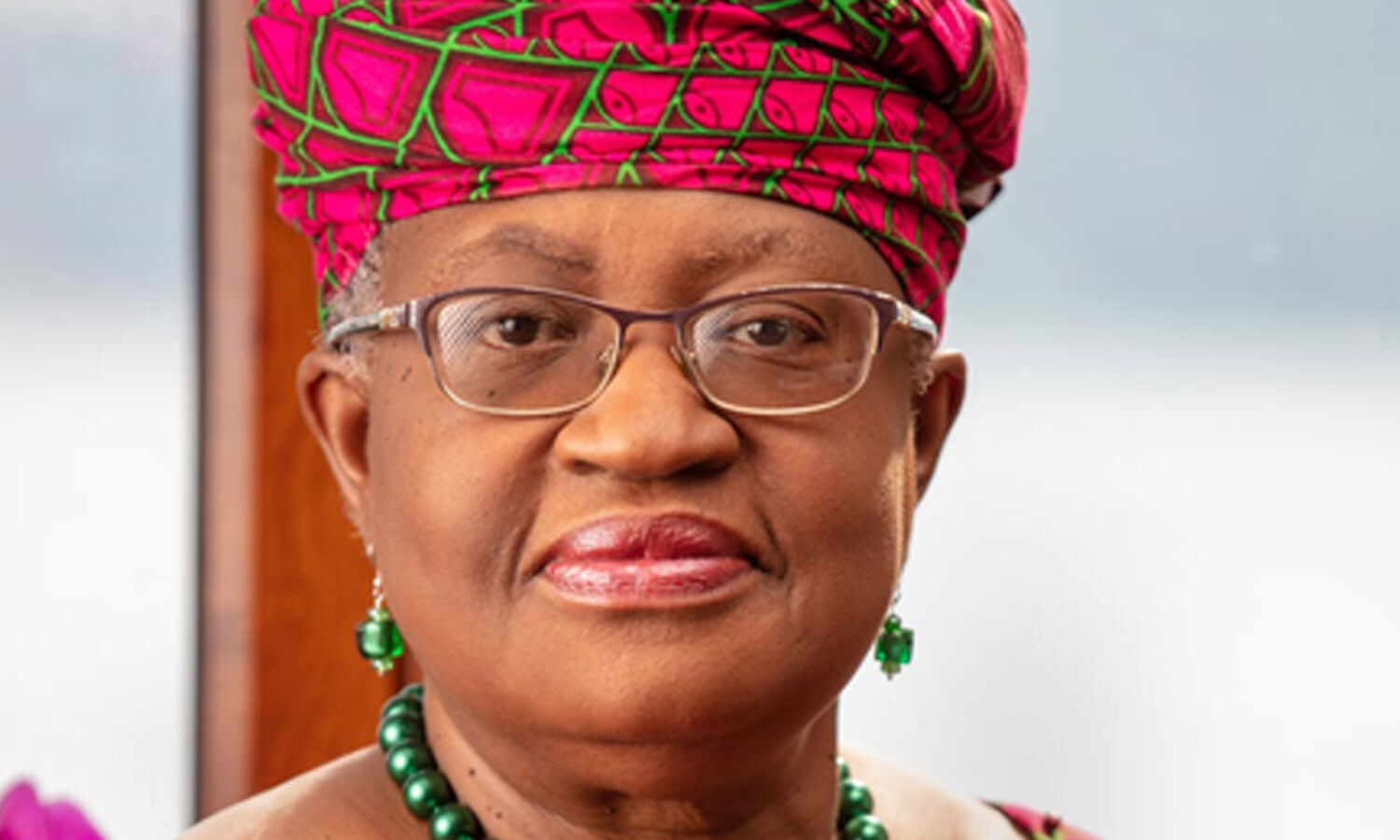
Trade between countries has grown more than the World Trade Organization expected.
Its leader, Ngozi Okonjo-Iweala, said many businesses still use shared trade rules because they make trade more predictable.
Last year, trade grew faster than forecast, partly because countries bought and sold more products related to artificial intelligence.
Trade is also growing faster than expected so far in 2026.
But the leader said the growth may not last, and its benefits are concentrated in a few regions.
She also said trade rules are under pressure and the system is not as strong as it needs to be.
WTO members, she said, need to work on reforms.
Digital services and green trade are also expanding.

WTO Director-General Ngozi Okonjo-Iweala said global trade has remained resilient despite tariffs, conflict, high energy prices and pressure on trade rules.
She said 72% of world goods trade still takes place under WTO most-favoured-nation terms.
Global goods trade grew 4.6% last year, exceeding the WTO forecast of about 2.4% to 2.5%.
AI-related products, including semiconductors and processors, accounted for 42% of last year’s trade growth.
Okonjo-Iweala said the trading system is not robust, and warned that AI-driven growth may be unsustainable and concentrated in East Asia and North America.
- Who
- WTO Director-General Ngozi Okonjo-Iweala discussed the outlook for global trade.
- What
- She described unexpectedly strong trade growth while warning that the global trading system remains vulnerable.
- Where
- The interview was with CNN; the trade figures concern global commerce.
- When
- In an interview published amid 2026 trade pressures; the figures cited include last year's growth and first-quarter 2026 growth.
- Why
- She attributed strong growth partly to AI-related trade while citing continued reliance on WTO rules and warning of risks from tariffs, energy prices and other pressures.
Evidence of resilience
Reasons for caution
What trade growth says about the system
Evidence of resilience
Strong growth and the continued use of WTO terms suggest that businesses still rely on shared rules and that parts of the system work.
Reasons for caution
Okonjo-Iweala cautioned that strong trade figures do not prove the system is robust; rules are under pressure and member trust is strained.
Whether AI-driven growth will last
Evidence of resilience
AI-related products drove a substantial share of recent trade growth, helping trade exceed forecasts.
Reasons for caution
Okonjo-Iweala said it is unclear whether the AI boom can be sustained or is partly a bubble, and its benefits are concentrated in East Asia and North America.
Key facts
- Trade under WTO terms
- 72% of world goods trade takes place under WTO most-favoured-nation terms.
- Last year's goods trade growth
- 4.6%, compared with a WTO forecast of about 2.4% to 2.5%.
- AI-related contribution
- AI-related products contributed 42% of last year's trade growth.
- 2026 forecast
- The WTO projected 1.9% goods trade growth for 2026.
- First-quarter 2026 growth
- Goods trade growth was running at 3.2%, according to Okonjo-Iweala.
- Green trade
- Okonjo-Iweala said green trade is now worth more than $2 trillion.
- System outlook
- She said the system has shown resilience but is not robust, and WTO reforms will be difficult.
Quotes

Ngozi Okonjo-Iweala
Director-General of the World Trade Organization
“I will be very truthful and say that even we are surprised by the resilience and grateful for it.”
 thehansindia.com
“It doesn't mean that the system is resilient, but is it robust? And I don't think it is.”
thehansindia.com
Sources
Related news

WTO warns trade wars and blocs could hurt every economy

BRICS Adopts Delhi Declaration Criticizing Unilateral Tariffs

Greer urges G20 to build a new global trading order

Goyal Urges WTO-Compliant Responses to G20 Trade Distortions

India-US Trade Tensions Rise as Finance Ministry Flags Risks
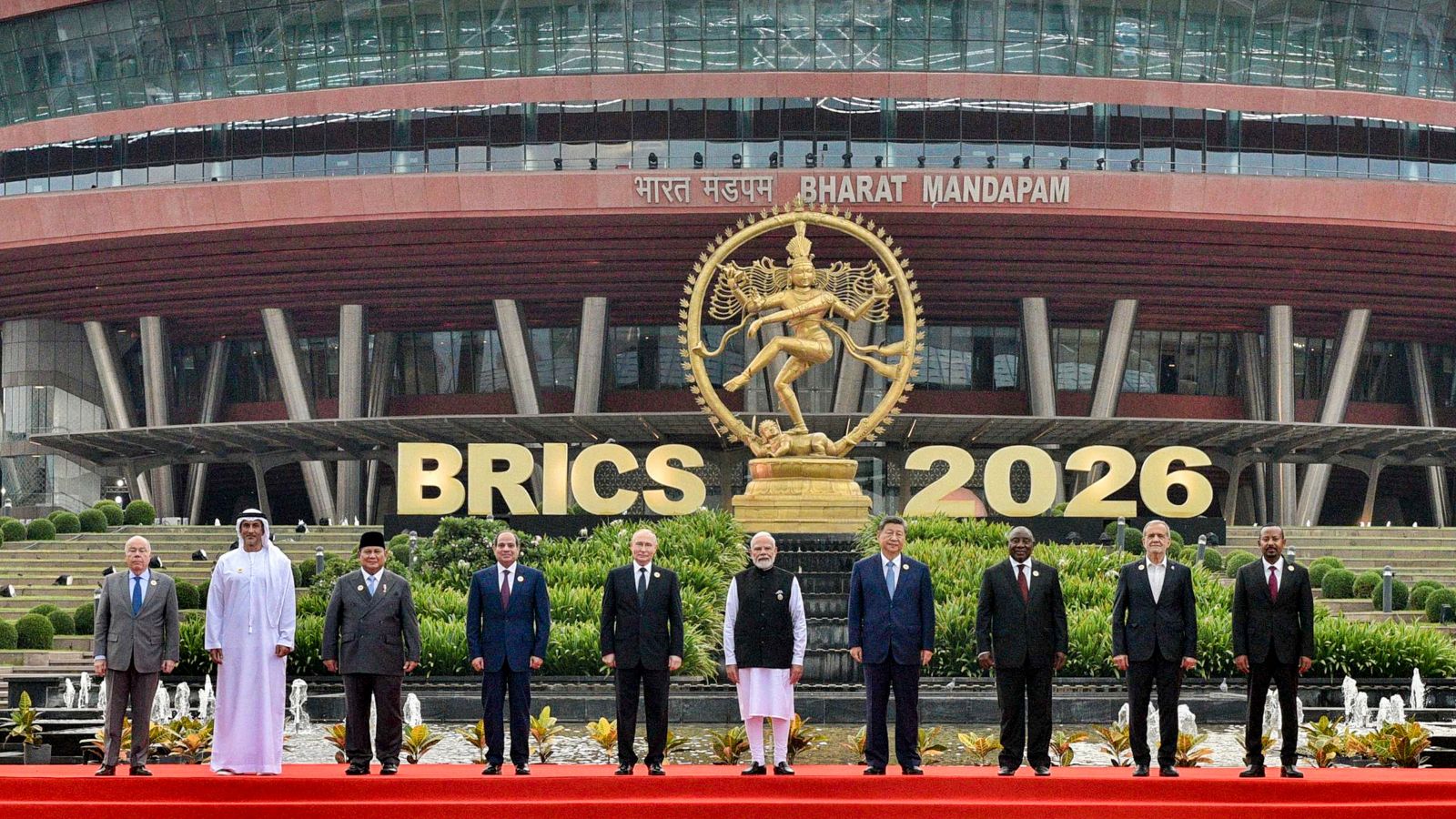
BRICS Condemns Unilateral Tariffs and Calls for WTO Reform
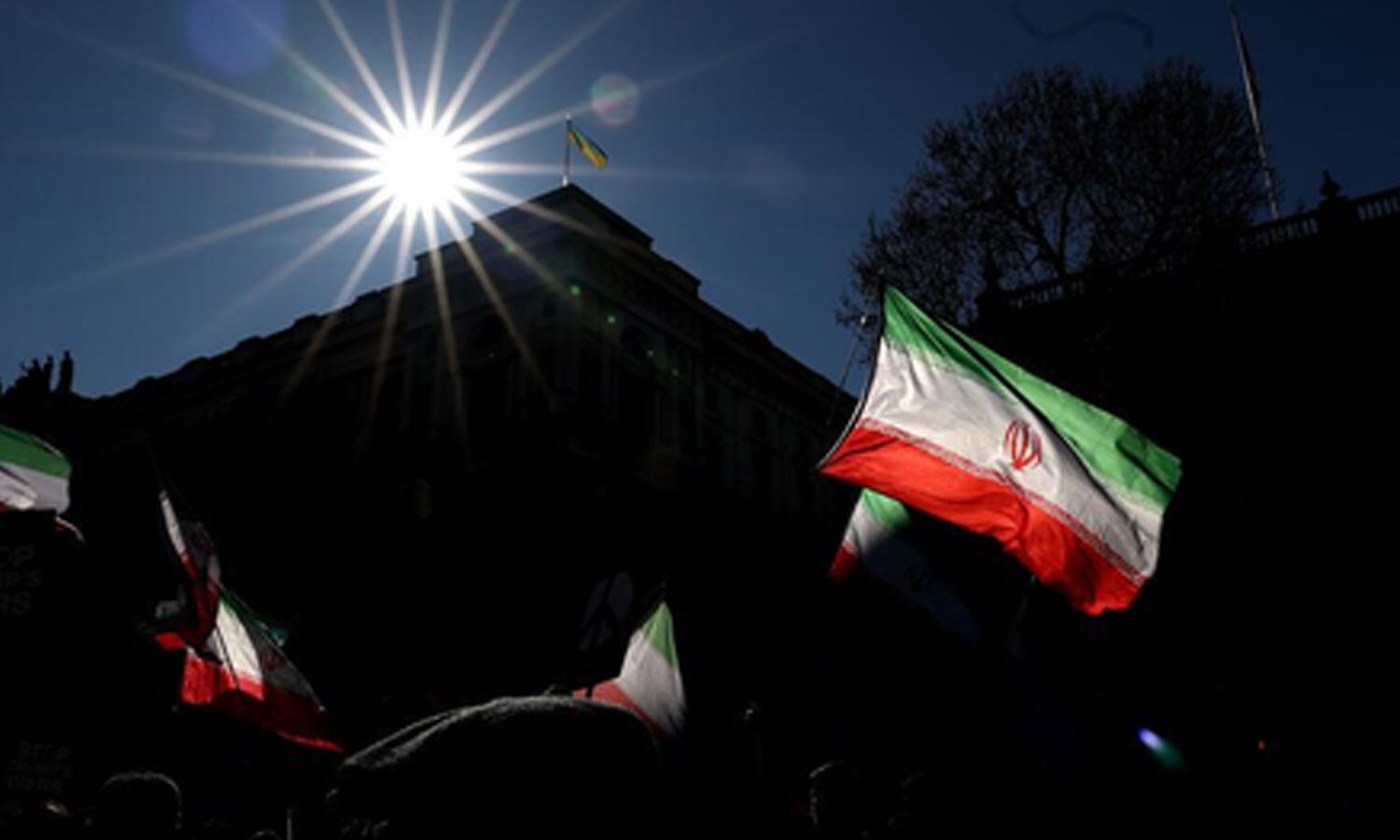
Iran Reviews US Response to Seven-Day Plan for Ceasefire
Oil Prices Ease but Remain Above $100 Amid G7 Reserve Plans

Sensex and Nifty Open Higher as Oil Prices Ease

Gift Nifty Signals Cautious Relief Rally for Indian Markets
