2 hrs ago
Ground-Level Ozone Exposes Nearly Half World Population
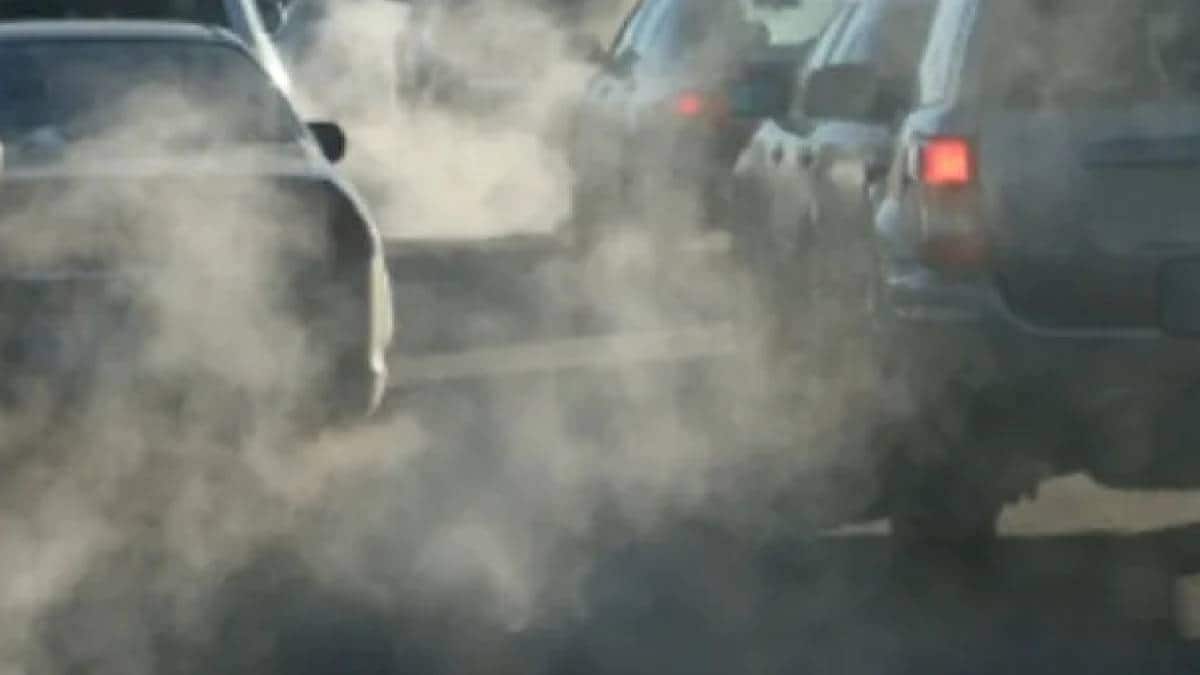
Ground-level ozone is a harmful air pollutant near the Earth’s surface.
A 2026 analysis found that almost 40% of people worldwide experienced extremely high ozone levels.
In Asia, about 60% of people faced this exposure.
About half of the world’s population had very or extremely poor ozone air quality during the worst six-month period of the year.
Oceania had lower ozone exposure than the other continents.
Large cities including Delhi and Mexico City were among the most affected.
Hot weather and strong sunlight can help create more ozone.
Pollution from distant places, natural sources and climate change can also influence ozone levels.

Almost 40% of the global population faced extremely high ground-level ozone levels during the first eight months of 2026.
Around 60% of Asia’s population experienced extremely high ozone exposure, the highest continental share reported.
Roughly half of the world’s population experienced very or extremely poor long-term ozone air quality.
Oceania had the lowest exposure, while Asia, Europe and North America recorded comparatively high concentrations.
Delhi, Rio de Janeiro, Mexico City, Milan and Cairo were among the major cities with the highest exposure on their continents.
- Who
- Populations worldwide, especially people in Asia, Europe and North America, were assessed for ground-level ozone exposure.
- What
- An analysis found widespread very high or extremely poor exposure to ground-level ozone during 2026.
- Where
- Globally, with the highest exposure reported in Asia and lower exposure in Oceania; several major cities were also highly affected.
- When
- During the first eight months of 2026, using each area’s highest six-month ozone period.
- Why
- Ground-level ozone forms through chemical reactions involving precursor pollutants, heat and sunlight; climate change, long-range transport and some natural sources can also raise concentrations.
Key facts
- Extremely high exposure
- Almost 40% of the global population was exposed to extremely high ozone levels.
- Asia
- Around 60% of Asia’s population experienced extremely high exposure.
- Very or extremely poor air quality
- Approximately half of the global population experienced these long-term ozone levels.
- Good air quality
- Only 5% of the global population experienced good long-term ozone levels.
- Fair air quality
- Around 15% experienced fair long-term ozone levels.
- WHO peak-season guideline
- The World Health Organization recommends peak-season ozone concentrations below 60 µg/m³.
- WHO short-term guideline
- The guideline for the maximum daily eight-hour mean is 100 µg/m³.
- Least affected region
- Oceania recorded the lowest ozone exposure among the continents.
Sources
Related news

Antarctic Ozone Hole Shrinks as India Faces Ground Pollution

World Ozone Day 2026 Highlights Climate Protection Efforts
Climate-Linked Heat Exposed 117 Million Indians During 2026 Summer
WMO Warns Heatwaves and Wildfires Are Worsening Air Quality
Wildfires and heat waves threaten global air-quality gains

Rocket Growth Raises Concerns About Ozone Layer Protection

Burnham seeks consensus on closer UK-EU ties amid Brexit debate
TiECON Amsterdam 2026 Marks First European Edition, Connecting Global Ecosystems

Rod Stewart Announces Final Rock-and-Roll Tour After Health Concerns
Trump’s Proposed Diesel Export Ban Raises Global Fuel Concerns