1 week ago
Iran Vows to Defy Sanctions as U.S. Escalates Pressure
The United States plans to announce new sanctions against Iran.
A U.S. official called them the toughest sanctions ever imposed on Iran.
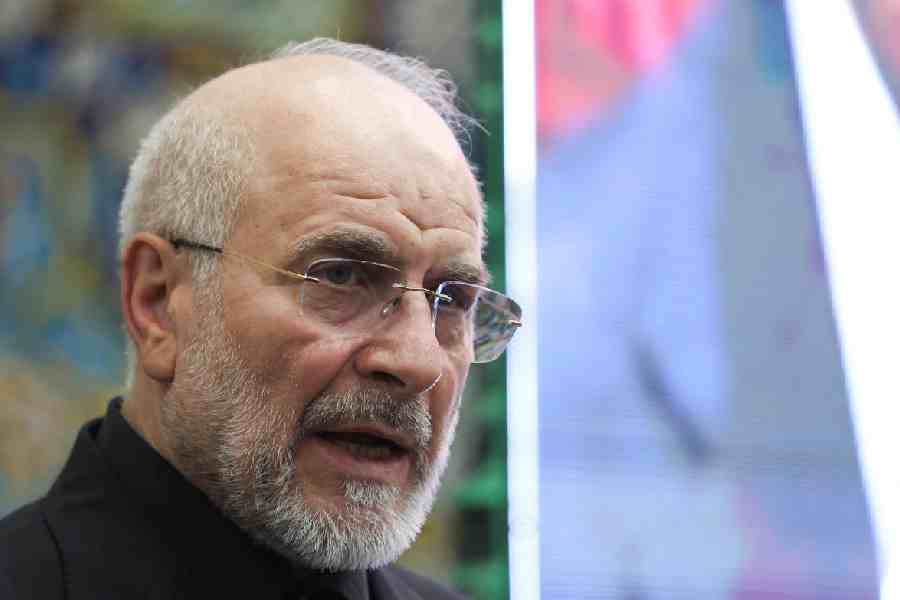
Iran’s parliament speaker, Mohammed Baqer Qalibaf, said Iran must find ways to overcome the sanctions.
He accused the United States and Israel of using economic and other forms of pressure.
The restrictions have made it harder for Iran to sell oil.
Fewer Iranian oil shipments are being offered to buyers in China.
Some Iranian oil prices have risen from discounts to premiums.
Qalibaf also said Iran and Iraq should trade more using their own currencies instead of the U.S. dollar.
The two countries say stronger economic cooperation could help them withstand the pressure.

Iranian parliament speaker Mohammed Baqer Qalibaf urged plans to overcome what he called unjust U.S. sanctions.
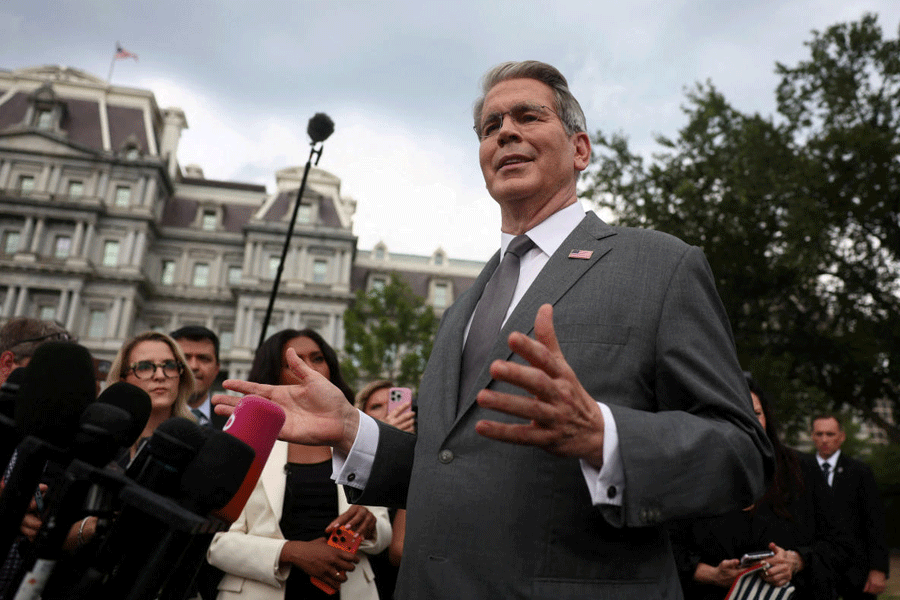
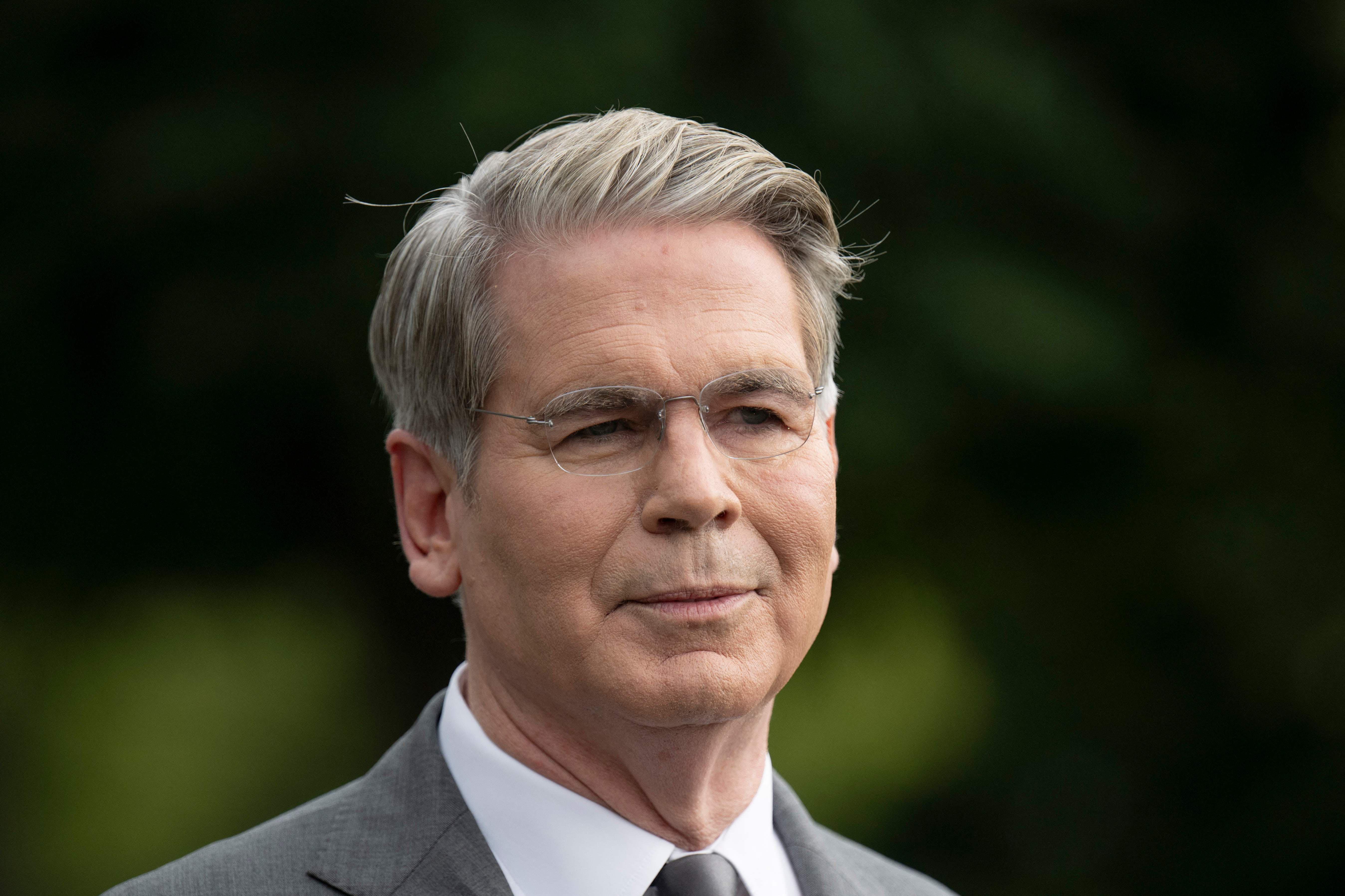
U.S. Treasury Secretary Scott Bessent said new measures would be the toughest ever imposed on Iran.
Bessent said details of the measures would be announced Monday and could reduce the need for further major military operations.
Iranian oil offers to Chinese buyers have declined as U.S. restrictions disrupt Tehran’s shipments.
Iran and Iraq discussed stronger economic ties and using national currencies to reduce reliance on the U.S. dollar.
- Who
- Iranian parliament speaker Mohammed Baqer Qalibaf and U.S. Treasury Secretary Scott Bessent are the main officials involved; Iran, the United States, Israel, Iraq and Chinese oil buyers are also affected.
- What
- The United States is preparing new sanctions and shipping restrictions on Iran, while Iran is seeking ways to withstand the pressure and expand economic ties with Iraq.
- Where
- Qalibaf spoke to Iranian and Iraqi business representatives in Baghdad. The effects on Iranian oil shipments are being reported in Chinese markets and Asian waters.
- When
- Qalibaf spoke on Friday, August 21; Bessent announced the planned measures on Thursday and said details would come Monday. The U.S. shipping and port restrictions were reinstated on July 13.
- Why
- The United States is seeking to cut Iran’s oil sales, its primary source of hard currency, while Iran says the sanctions are unjust and aims to reduce dependence on U.S.-controlled trade channels.
Iran’s Position
U.S. Position
Purpose of economic pressure
Iran’s Position
Qalibaf called the sanctions unjust and accused the United States and Israel of economic and cognitive warfare aimed at exploiting Muslim countries’ resources.
U.S. Position
The United States is using sanctions and shipping restrictions to cut Iran’s oil sales, its primary source of hard currency.
Military versus economic measures
Iran’s Position
Qalibaf said economic development and security were closely linked and urged Iran to plan for overcoming the sanctions.
U.S. Position
Bessent said the new sanctions could lessen the need for further major military operations.
Trade strategy
Iran’s Position
Iran called for stronger economic ties with Iraq and the use of national currencies to reduce reliance on the U.S. dollar.
U.S. Position
The U.S. pressure has disrupted Iranian oil shipments to China and threatens supplies for independent Chinese refiners.
Key facts
- Iranian official
- Mohammed Baqer Qalibaf, speaker of Iran’s parliament and Tehran’s top negotiator in talks with the United States
- U.S. announcement
- Treasury Secretary Scott Bessent described the planned measures as the toughest sanctions ever imposed on Iran
- Announcement timing
- Bessent said details would be provided Monday
- Shipping restrictions
- The United States reinstated restrictions on Iran’s shipping and ports on July 13
- Oil storage
- Iranian crude in floating storage outside the U.S. restriction zone fell to about 80 million barrels from about 105 million barrels
- Asian supplies
- Trade sources estimated that about 30 million barrels of Iranian crude remained in Asian waters, while Kpler estimated 40 million barrels in Malaysian waters
- Oil pricing
- Some Iranian crude was reportedly offered at premiums of about $2 per barrel over ICE Brent, after earlier discounts of roughly $3
Quotes

Mohammed Baqer Qalibaf
Iranian parliament speaker and Tehran’s top negotiator in talks with the United States
“If you look at the resources and raw materials of Muslim countries, you will realize that our enemies come to plunder them, "Therefore, we must make plans to deal with the unjust sanctions so that we can overcome them."”
 theprint.in
 telegraphindia.com
Sources
Related news

Iran Vows Devastating Response to US Toughest-Ever Sanctions

Iran Rejects Tougher US Sanctions as Hormuz Tensions Persist

US Plans Toughest Iran Sanctions, Urges China Cooperation
Iran Economy Strained as US Sanctions Intensify During War
US Vows Toughest Sanctions Yet as Iran Conflict Escalates
US Threatens Toughest Sanctions Yet as Iran Condemns Economic Warfare

OVL’s Venezuela oil prospects brighten after US clearance
India’s Russian Oil Imports Fall Amid Supply Pressure

Hormuz Vessel Transits Remain Low as Tanker Is Stopped
CNG Prices Rise in Delhi as LPG, PNG Rates Vary

China’s August LNG Imports Fall as High Prices Weigh Demand