1 week ago
Iran Rejects Tougher US Sanctions as Hormuz Tensions Persist

The United States plans to impose much tougher sanctions on Iran.
Sanctions are financial restrictions meant to make it harder for a country to trade and earn money.
US officials say the plan could weaken Iran and reduce the need for large military operations.
Iran says the sanctions unfairly interfere with the decisions of independent countries.
Iran has asked Muslim countries to work together against the measures.
China and Russia remain important partners for Iran.
Shipping through the Strait of Hormuz has dropped sharply since the conflict began on February 28.
Talks about reopening the route have stalled.
Oil prices increased because traders were worried about sanctions and possible disruptions to supplies.

Iran condemned Washington’s proposed sanctions as extraterritorial control over independent countries.
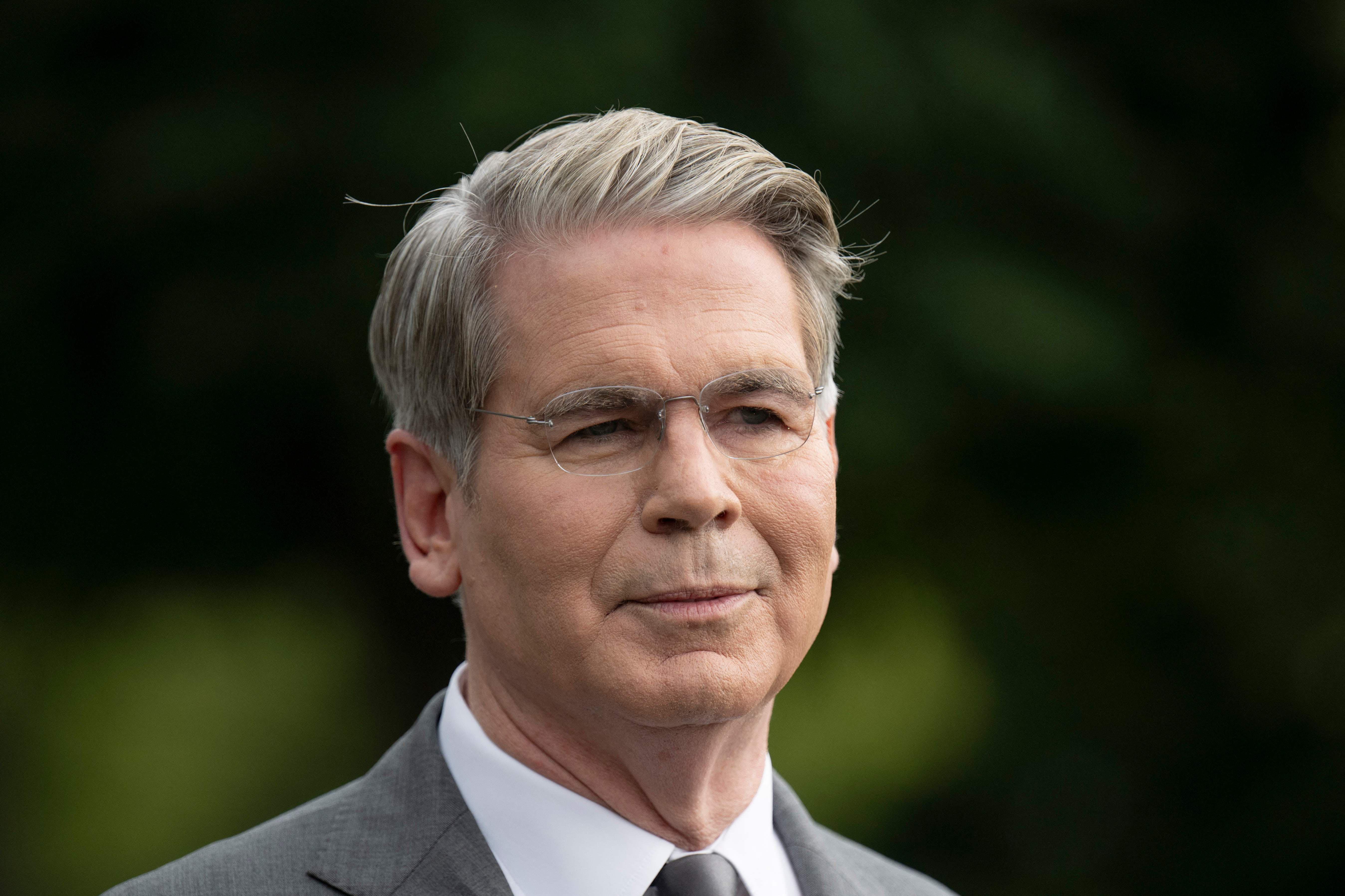
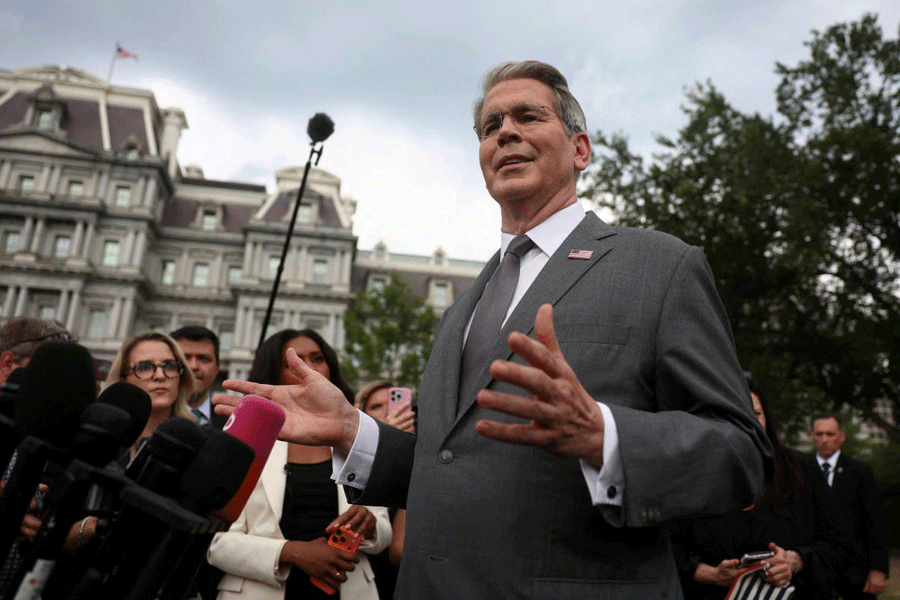
US Treasury Secretary Scott Bessent promised unprecedented economic isolation aimed at weakening Iran’s economy.
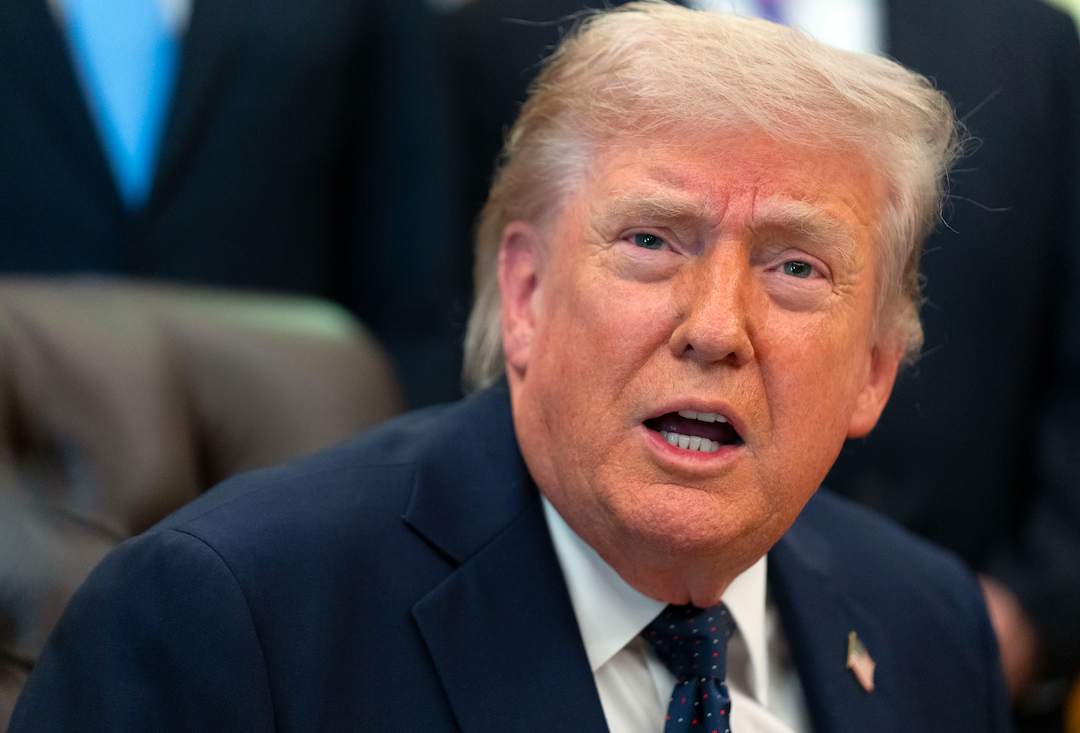
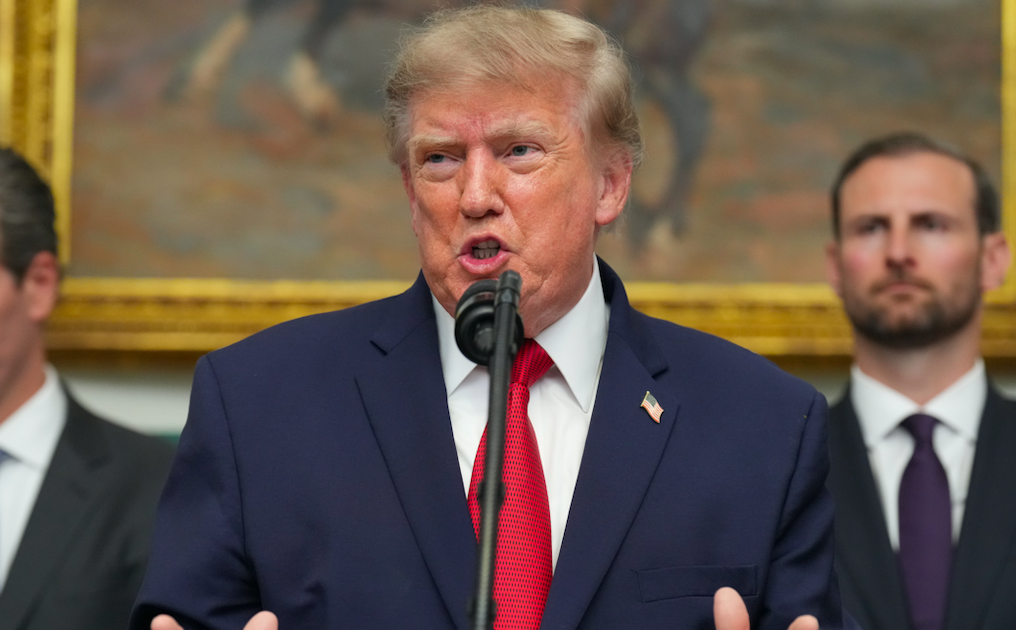
President Donald Trump threatened penalties against countries helping Iran evade sanctions.
Shipping through the Strait of Hormuz remains far below prewar levels, with talks to reopen the route stalled.
Oil prices rose as markets assessed sanctions and potential supply risks.
- Who
- The United States, Iran, and officials including Donald Trump, Scott Bessent, Esmaeil Baqaei, Mohammad Baqer Qalibaf, and Masoud Pezeshkian.
- What
- The United States is preparing tougher sanctions and broader economic isolation against Iran amid tensions affecting the Strait of Hormuz.
- Where
- The dispute involves the United States and Iran, with shipping affected in the Strait of Hormuz and negotiations involving Oman and other Gulf countries.
- When
- The plan was expected to be detailed on Monday; the reported conflict began on February 28, and a memorandum was signed on June 17.
- Why
- US officials say economic pressure is the most effective tool to weaken Iran, while Iran says the measures violate the sovereignty of independent countries.
US Position
Iranian Position
Purpose and effectiveness of sanctions
US Position
US officials say intensified economic pressure can severely weaken Iran and may reduce the need for major military operations.
Iranian Position
Iran is already among the world’s most heavily sanctioned countries, and Iranian officials question whether additional penalties can change Tehran’s position.
Legitimacy of the measures
US Position
The United States describes the campaign as economic warfare and plans to pressure allies and penalize countries that help Iran evade sanctions.
Iranian Position
Iran says Washington is attempting to control the economic decisions of independent United Nations member states and has urged Muslim countries to resist the sanctions.
Strait of Hormuz negotiations
US Position
The United States remains involved in talks concerning the reopening of the vital shipping route, but those talks have stalled.
Iranian Position
Iranian President Masoud Pezeshkian said Tehran wanted the war to end sooner rather than later and described the June 17 memorandum as a victory for Iran.
Key facts
- Planned US action
- The Trump administration says it intends to impose the greatest coordinated economic isolation ever imposed on a country.
- Iran’s response
- Iran called the proposed sanctions economic warfare and an assertion of extraterritorial sovereignty.
- Shipping through Hormuz
- Kpler recorded 10 crossings on Monday and two on Sunday.
- Conflict timing
- The article says the United States launched its war against Iran on February 28.
- Hormuz negotiations
- Talks to reopen the route have stalled; a June 17 memorandum allowed Iran to negotiate management of the strait with Oman and other Gulf countries.
- Oil prices
- Brent crude settled at $94.39 per barrel, while West Texas Intermediate closed at $87.06.
Sources
Related news
US Threatens Toughest Sanctions Yet as Iran Condemns Economic Warfare
US Seeks Allies’ Support for Economic War on Iran
US Vows Toughest Sanctions Yet as Iran Conflict Escalates

Iran Vows Devastating Response to US Toughest-Ever Sanctions
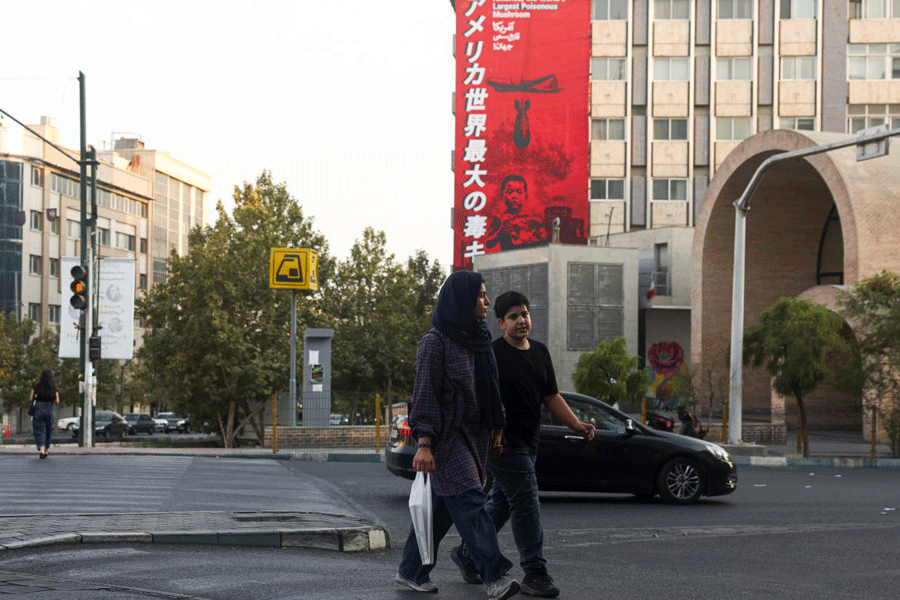
U.S. and Iran Trade Threats Ahead of New Sanctions

US Pressures Allies and China to Isolate Iran Economically
US-Iran Strikes Escalate as Tehran Warns of New Strategy
Trump Warns of Fresh Iran Strike After Heavy Attack

Trump Says US Could Attack Iran Again at Will

U.S. Treasury Yields Ease as Jobs Data Misses Expectations
Iran Seizes Fuel-Smuggling Vessel in Gulf, Arrests 11 Crew