10 hrs ago
India’s Russian Oil Imports Drop Amid Competition and Supply Pressure
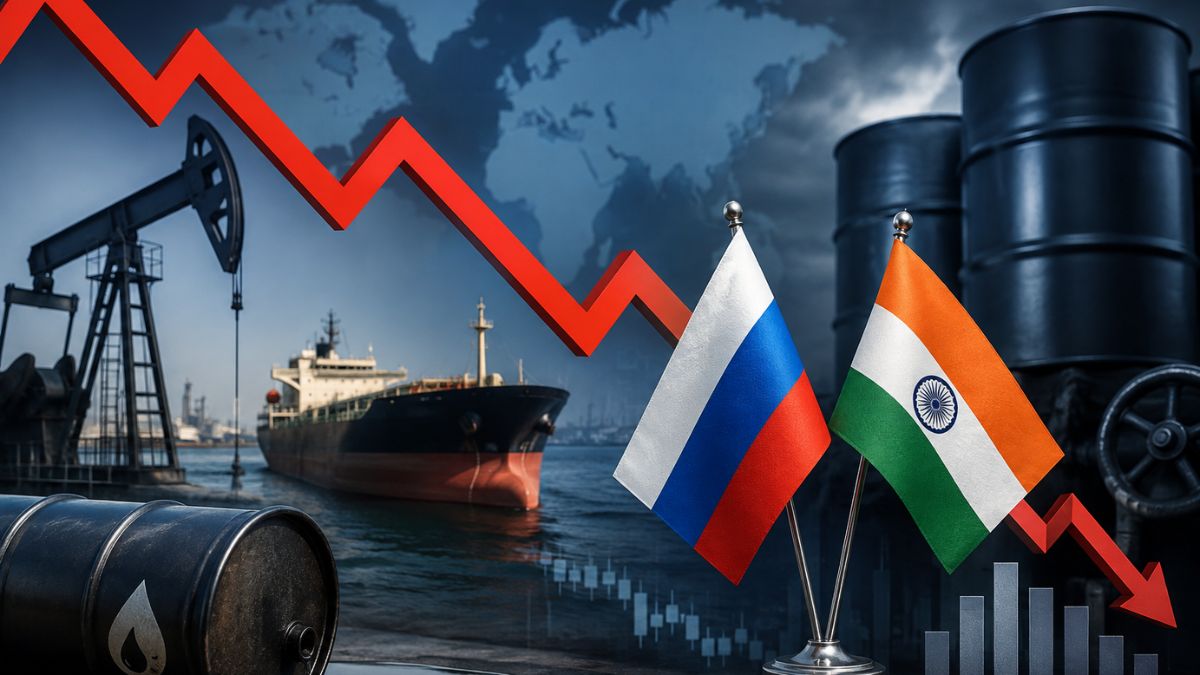
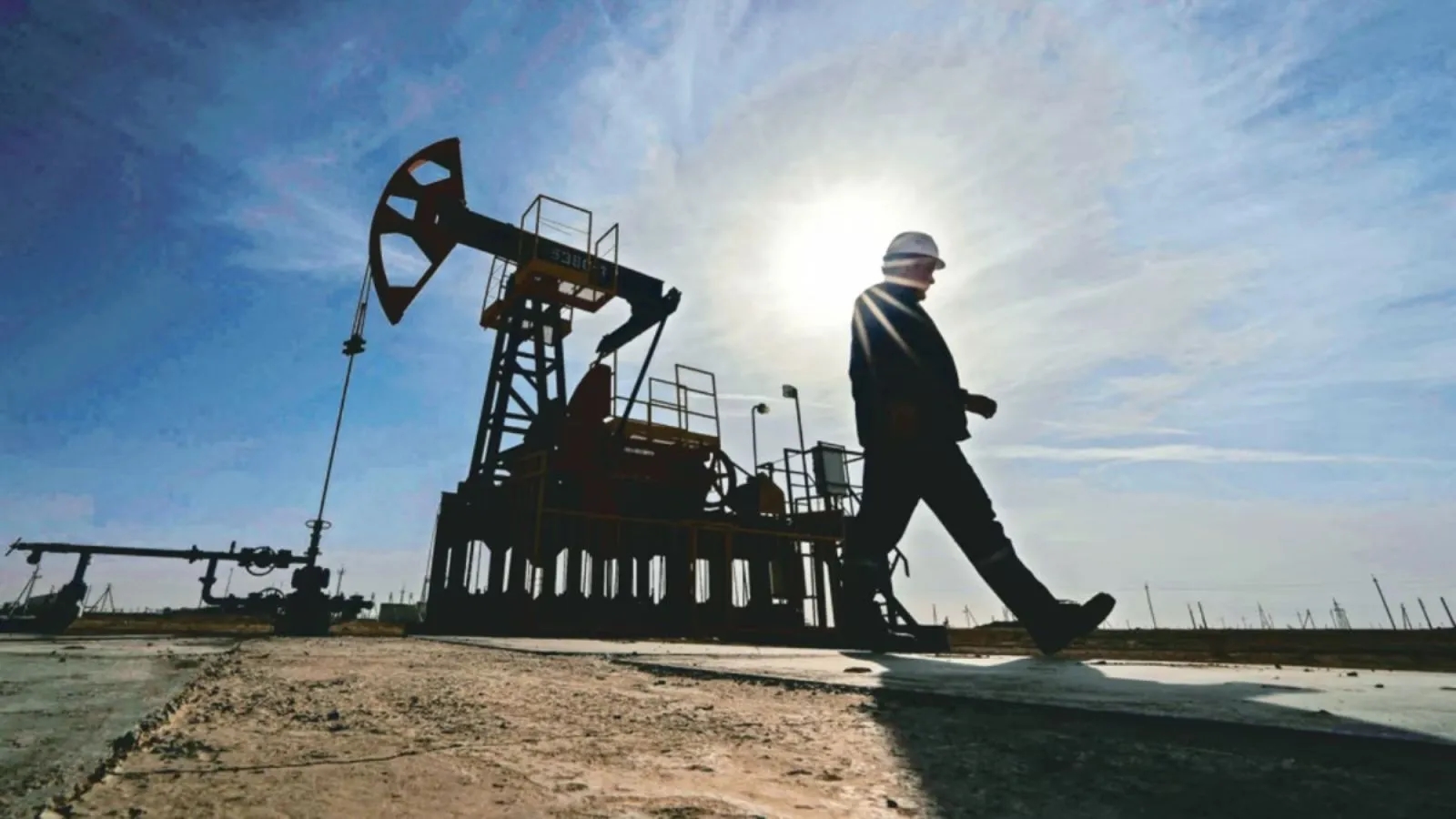
India bought much less oil from Russia in August than it did in July.
Russian oil imports fell by about one-quarter.
India also bought less oil overall during the month.
Some Indian refineries were temporarily closed for maintenance.
Russia had fewer oil shipments available, while China competed more strongly for them.
Attacks on Russian energy infrastructure also made some shipping routes riskier and more expensive.
Even after the decline, Russian oil remained India’s biggest source of crude.
India bought more oil from Venezuela as it looked for supplies from other regions.

India imported 2.08 million barrels per day of Russian oil in August, down 26.3% from July’s record 2.82 million barrels per day.
India’s total crude imports fell 8.4% month-on-month to 4.62 million barrels per day in August.
Russia’s share of India’s crude imports declined to 45% in August from 55.9% in July.
Tighter Russian export availability, stronger Chinese competition and Indian refinery maintenance contributed to the decline.
India’s Venezuelan oil imports rose 60.2% in August to 350,000 barrels per day, their highest monthly level since 2020.
- Who
- India, Russia and China were the main countries involved; Kpler provided the provisional tanker data, and analyst Natalia Katona assessed the market.
- What
- India’s imports of Russian crude oil fell 26.3% in August, while Venezuelan oil imports increased and total Indian oil imports declined.
- Where
- The oil was shipped to India from Russia, Venezuela and other producing regions, with shipping pressures involving the Black Sea, Baltic Sea and Northern Sea Route.
- When
- The reported comparison covers August against July; the article also describes changes since March 2026.
- Why
- Russian export constraints, Chinese competition, refinery maintenance in India, shipping risks and disruptions to other supply routes affected import patterns.
Market Normalization View
Prolonged Supply Pressure View
Meaning of August’s decline
Market Normalization View
Kpler said the fall could represent market normalization rather than a structural retreat from Russian crude, with flows expected to stabilize between 2.0 and 2.5 million barrels per day.
Prolonged Supply Pressure View
Natalia Katona said Russia is exporting less while China is competing more aggressively, raising the possibility that Russian barrels could become scarcer, costlier and harder for Indian refiners to secure.
Future role of Russian oil
Market Normalization View
Russian crude is expected to remain the mainstay of India’s oil imports despite the August decline.
Prolonged Supply Pressure View
Continued export constraints, infrastructure attacks and risky shipping routes could put further pressure on India’s access to Russian supplies.
Key facts
- Russian oil imports
- 2.08 million barrels per day in August, down from 2.82 million barrels per day in July.
- India’s total oil imports
- 4.62 million barrels per day in August, compared with 5.04 million barrels per day in July.
- Russia’s import share
- 45% of India’s crude imports in August, down from 55.9% in July.
- Venezuelan oil imports
- 350,000 barrels per day in August, up 60.2% from July.
- Shipping costs
- A Suezmax voyage from Novorossiysk to India’s west coast was estimated at about $20 per barrel, compared with about $13 per barrel from Baltic ports.
- Hormuz exposure
- About 40% of India’s crude imports usually came through the Strait of Hormuz, according to the article.
Quotes
Natalia Katona
Abu Dhabi-based energy analyst writing for Oilprice.com
“That has encouraged greater use of the Northern Sea Route (NSR), for which August and September are the peak traffic months even in a normal year due to the thinnest ice levels. With Black Sea drone threats adding to the pressure, Russian exporters are sending more vessels through the route, logically making China the most cost-competitive destination”
 indianexpress.com
“Russia is exporting less crude both to India and overall, just as China is competing more aggressively for available cargoes. The question for the coming months is therefore whether August represents a temporary retreat or the start of a period in which Russian barrels become scarcer, costlier and harder for Indian refiners to secure.”
 financialexpress.com
indianexpress.com
financialexpress.com
indianexpress.com
Sources
Related news
Indian Refiners Cut Russian Oil Purchases, Seek Supplies Elsewhere

India's Russian crude imports hit record for second straight month
India Supplies Petrol to Russia as Refinery Attacks Disrupt Fuel

India's Russian crude imports hit record high in July
Russia Imports Indian Petrol After Ukrainian Strikes Hit Refineries

Chevron Plans $7 Billion Venezuela Expansion Amid U.S. Oil Push

Saudi Arabia Says Iranian Tanker Attack Killed Two Sailors
U.S.-Iran Exchange Escalates Across Middle East, Markets Slide
Trump Aides Seek Quiet Iran War Before Midterm Elections
US Warns Middle East Travelers Amid Escalating Iran-Linked Tensions