1 week ago
US Vows Toughest Sanctions Yet as Iran Conflict Escalates
The United States says it will put extremely strong economic penalties on Iran.
These penalties are called sanctions, and they can make it harder for a country to trade or use money.
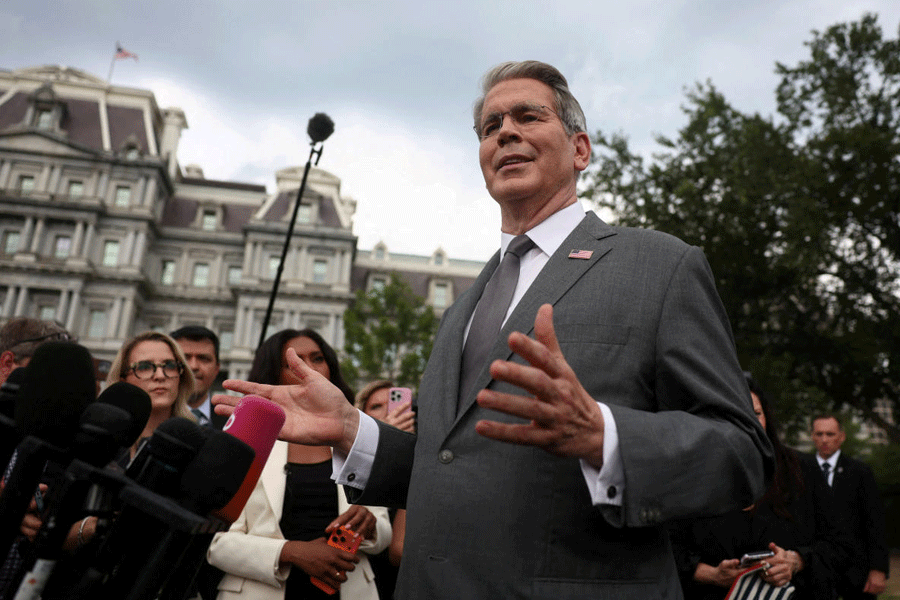
Treasury Secretary Scott Bessent said more details will be announced at a press conference on Monday.
He said strong economic pressure might mean the United States would not need to begin another large military operation.
President Donald Trump warned that countries helping Iran could also face serious economic punishment.
Iran called the sanctions “economic terrorism” and said they would not change its determination to protect its independence.
China said sanctions would not solve the problem and asked countries to use diplomacy.
Oil prices rose above $92 a barrel after the threats.
Earlier ceasefire agreements in April and June failed, while fighting continued to affect shipping through the Strait of Hormuz.

Treasury Secretary Scott Bessent said the United States will impose its “toughest sanctions in history” on Iran.
Bessent said maximum economic pressure could reduce the need for a new large-scale military operation.
President Donald Trump threatened “Economic Warfare” against countries giving Iran financial or logistical support.
Brent crude rose above $92 a barrel after the US threats, amid concerns about disrupted Middle Eastern oil supplies.
Iran condemned the measures, while China urged political and diplomatic solutions instead of sanctions and pressure.
- Who
- The United States, Treasury Secretary Scott Bessent, President Donald Trump, Iran, China, and countries doing business with Iran.
- What
- The United States announced plans for what Bessent called the “toughest sanctions in history” against Iran, alongside a broader pressure campaign.
- Where
- The measures target Iran and potentially countries, businesses, financial institutions, airports, and government entities connected to it; the conflict has affected shipping through the Strait of Hormuz.
- When
- Bessent spoke on Thursday, August 21, 2026; further sanctions details were promised for Monday.
- Why
- The United States says the pressure is intended to force an end to the conflict and could reduce the need for further large-scale military action.
US Pressure Could Avoid Wider War
Sanctions and Blockades Could Escalate Tensions
Need for military action
US Pressure Could Avoid Wider War
Scott Bessent said maximum economic pressure would likely mean there would not be a new large-scale military operation.
Sanctions and Blockades Could Escalate Tensions
The reports said experts warned that a US naval blockade could trigger retaliation from Tehran and increase the risk of military conflict.
Effectiveness of sanctions
US Pressure Could Avoid Wider War
Bessent said the sanctions and blockade would work in Iran and help collapse the government, while the United States aims to end the conflict.
Sanctions and Blockades Could Escalate Tensions
Iran called US economic and trade sanctions “economic terrorism” and said they would not weaken its determination to safeguard its independence and sovereignty.
Diplomatic and international response
US Pressure Could Avoid Wider War
The United States is seeking cooperation from allies and other countries, including countries that do business with Iran, to increase pressure on Tehran.
Sanctions and Blockades Could Escalate Tensions
China said sanctions and pressure would not resolve the problem and called for responsible actions and political and diplomatic solutions.
Key facts
- Announced by
- US Treasury Secretary Scott Bessent
- Target
- Iran
- Planned sanctions
- The “toughest sanctions in history,” with further details expected at a Monday press conference
- Broader US warning
- Donald Trump threatened “Economic Warfare” and “TREMENDOUS Economic Consequences” for entities providing Iran with a lifeline
- Oil price
- Brent crude rose above $92 a barrel
- Strategic waterway
- The Strait of Hormuz carried about one-fifth of all traded oil before February, according to the reports
- Ceasefires
- Ceasefire agreements announced in April and June quickly collapsed
- Iranian oil buyers
- China bought more than 80% of Iran’s shipped oil, according to 2025 Kpler data cited in the article
Quotes

Scott Bessent
U.S. Treasury chief
“ANY country that allows its financial institutions, businesses, airports, or government entities to provide any type of lifeline to Iran will itself face TREMENDOUS Economic Consequences”
 telegraphindia.com
“I’m not sure why oil has popped up on this, if we are doing the maximum economic pressure, then that means that likely there will not be a large‑scale kinetic restart.”
telegraphindia.com
 news18.com
Sources
Related news

US Plans Toughest Iran Sanctions, Urges China Cooperation

Iran Vows Devastating Response to US Toughest-Ever Sanctions
US Threatens Toughest Sanctions Yet as Iran Condemns Economic Warfare
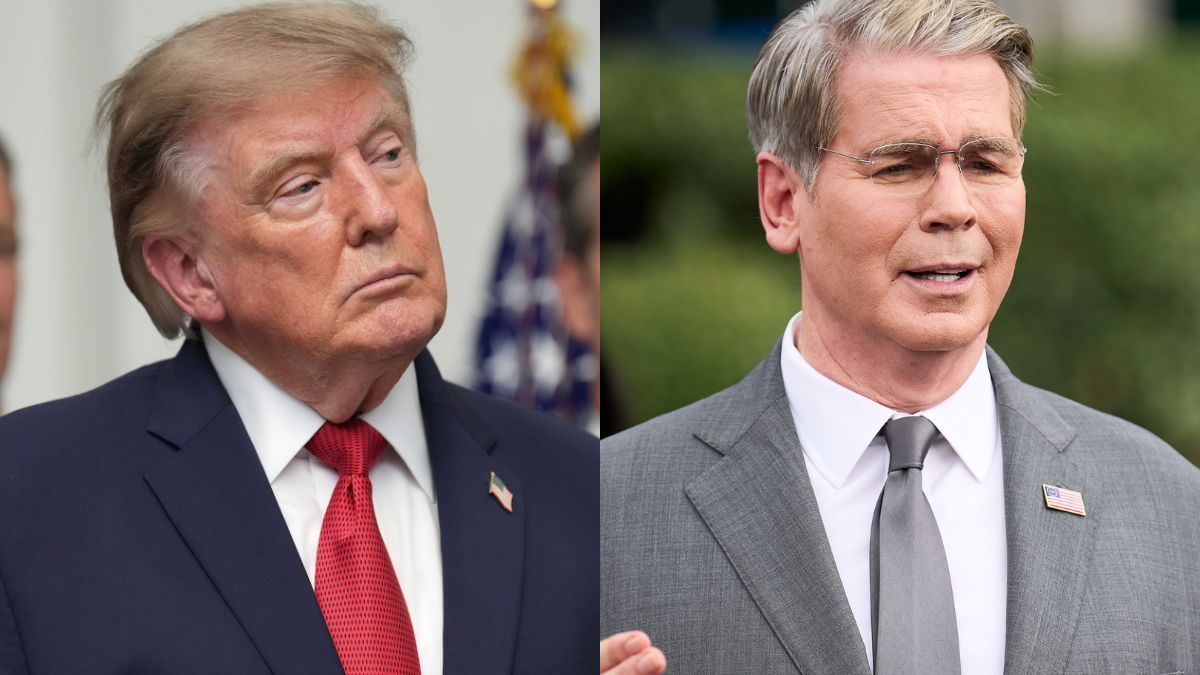
US Plans 'Economic D-Day' Sanctions Campaign Against Iran
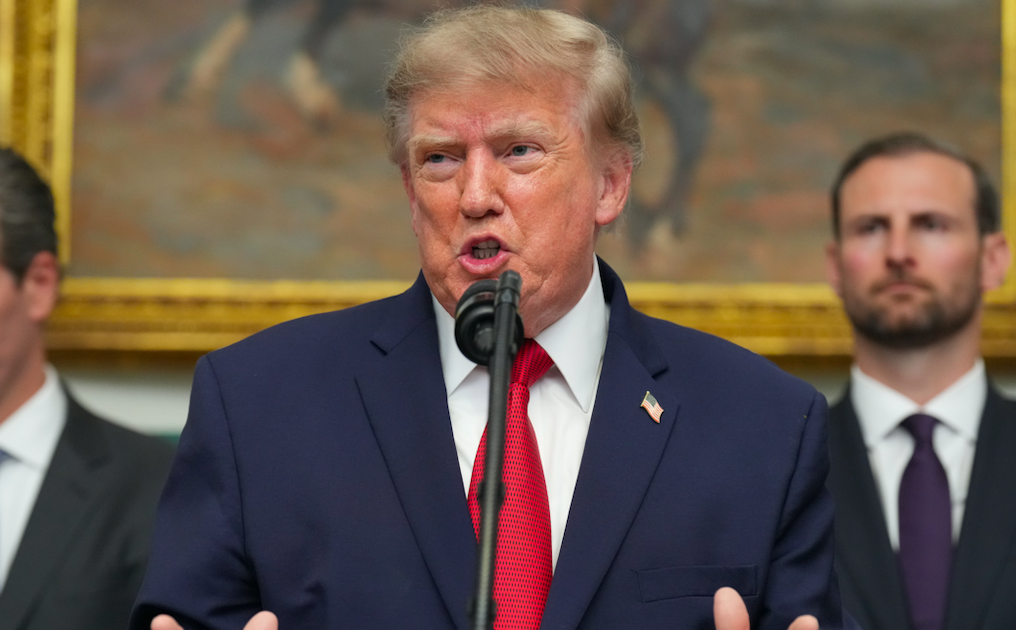
US Seeks Allies’ Support for Economic War on Iran

US Prepares Tough Iran Sanctions as Pakistan Seeks Mediation

Chevron Plans $7 Billion Venezuela Expansion Amid U.S. Oil Push
Saudi Arabia Says Iranian Tanker Attack Killed Two Sailors
U.S.-Iran Exchange Escalates Across Middle East, Markets Slide
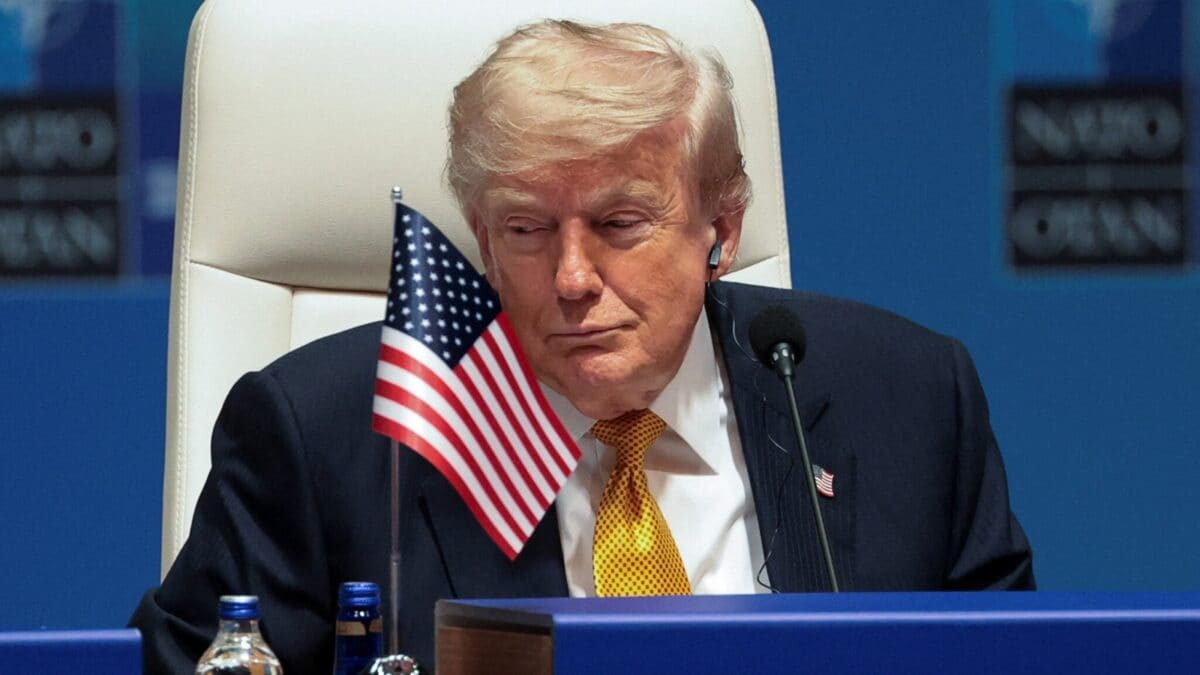
Trump Aides Seek Quiet Iran War Before Midterm Elections
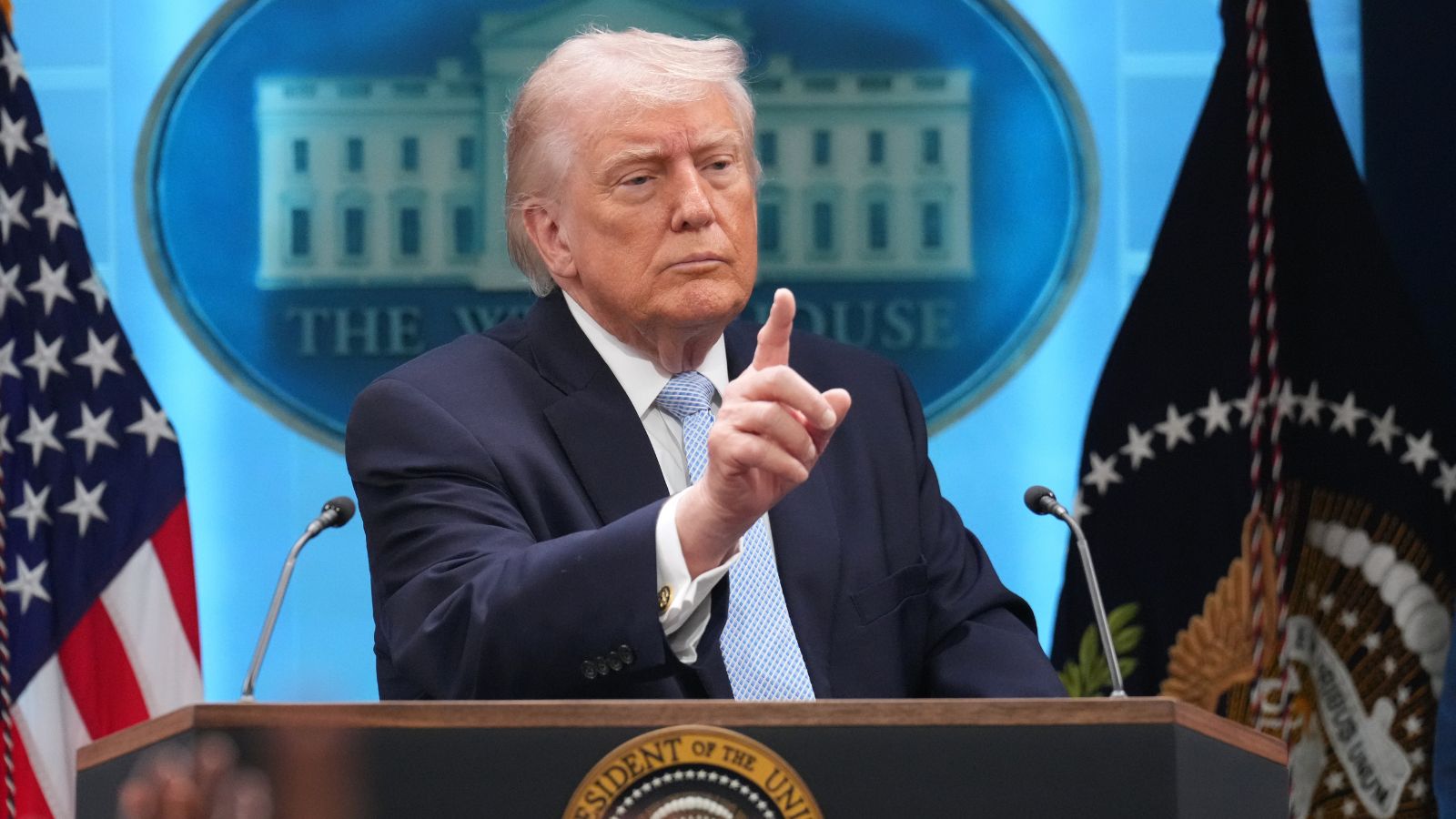
US Warns Middle East Travelers Amid Escalating Iran-Linked Tensions