3 weeks ago
Leptospirosis, 'Rat Fever,' Spikes Amid Monsoon Flooding in India
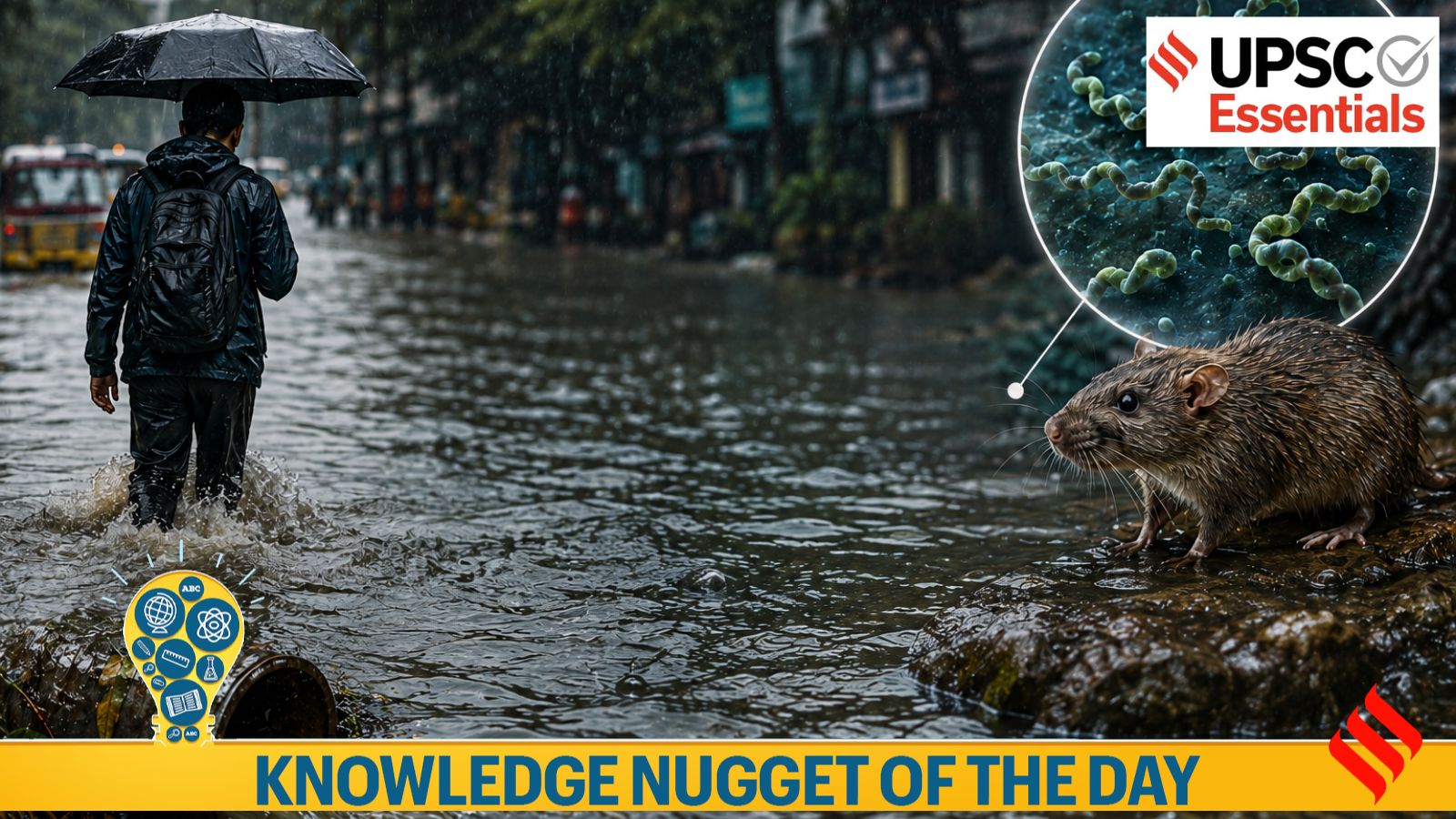
Leptospirosis is a sickness people can catch from dirty floodwater.
It is caused by tiny germs called Leptospira bacteria.
These germs live in the pee of animals like rats, cows, dogs and cats.
When it rains very hard, the water mixes with these germs.
If a person has a small cut on their skin and walks through that water, the germs can get inside their body.
That is why it is sometimes called 'rat fever' or 'flood fever.'
Doctors in Mumbai have seen more people getting sick with it this monsoon.
The sickness can cause fever, headache, body aches, red eyes and rashes.
If it is treated early with antibiotics, medicine can stop it from becoming dangerous.
Doctors say people should wear boots in floodwater and wash their feet well afterward.

The ongoing monsoon has triggered a rise in leptospirosis cases across several parts of India, with public health authorities issuing alerts and strengthening surveillance.
Leptospirosis is a water-borne bacterial infection caused by Leptospira, spread through the urine of infected animals such as rodents, cattle, dogs and cats, entering the body through cuts or abrasions.
Fitness coach Aanantaa Sujata Barua developed fever and painful red rashes on her palms, fingers and feet after riding through flooded streets in Navi Mumbai and was diagnosed with leptospirosis.
Doctors diagnose the disease using PCR tests in the first week of illness and Rapid IgM and ELISA IgM antibody tests from around the fifth day of fever, with the MAT test as the international gold standard.
The Indian Council of Medical Research (ICMR), under the PM-ABHIM National One Health Mission, is developing a real-time surveillance model for zoonotic diseases using the WHO's One Health approach.
- Who
- Residents of Mumbai and neighbouring districts, including fitness coach Aanantaa Sujata Barua, along with public health authorities and ICMR researchers.
- What
- A rise in leptospirosis, a water-borne bacterial infection also known as 'rat fever' or 'flood fever,' caused by Leptospira bacteria in contaminated floodwater.
- Where
- Several parts of India, including Mumbai and Navi Mumbai and neighbouring districts.
- When
- During the ongoing monsoon, with symptoms typically appearing five to 14 days after exposure to contaminated water.
- Why
- Heavy rainfall, flooding and waterlogging increased exposure to water contaminated with the urine of infected animals.
Key facts
- Disease
- Leptospirosis ('rat fever' / 'flood fever')
- Cause
- Leptospira bacteria spread through urine of infected animals (rodents, cattle, dogs, cats)
- Transmission
- Entry through cuts or abrasions in skin after contact with contaminated floodwater
- Affected region
- Mumbai, Navi Mumbai and other parts of India during monsoon
- Symptoms
- Fever with chills, headache, body ache, rash, nausea-vomiting, eye redness; severe form includes jaundice, kidney failure and meningitis
- Treatment
- Preventive antibiotics such as Doxycycline; intravenous antibiotics and supportive care for severe disease
- Prevention
- Waterproof footwear, thorough washing and drying of feet, antiseptic care for cuts, rodent control
- Surveillance study
- ICMR-led real-time zoonotic disease surveillance under PM-ABHIM National One Health Mission
Sources
Related news
Leptospirosis Cases Rise in Manila After Widespread Flooding
Mumbai Monsoon Health Alert: Malaria and H1N1 Cases Surge
Vets Share Monsoon Pet Care Tips Amid Heavy Rain Warnings
Doctors warn antibiotics don't treat monsoon fever, misuse fuels resistance
Typhoid Leads India’s Confirmed Monsoon Fever Test Positivity
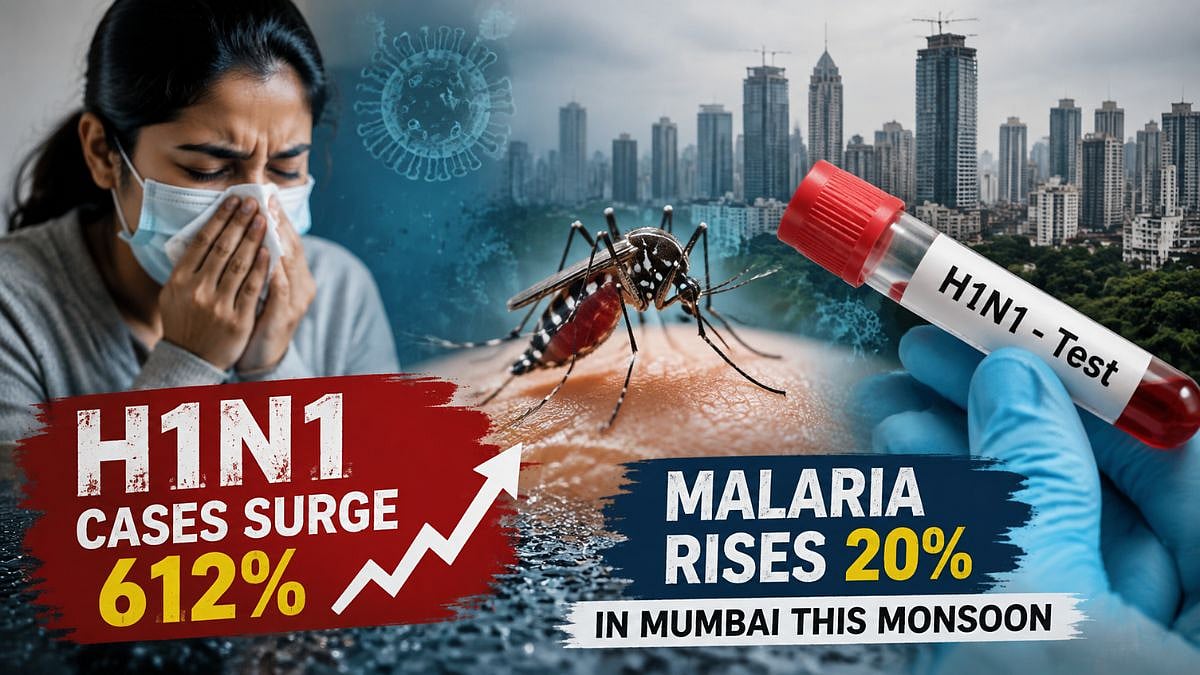
Mumbai Monsoon Sees Sharp Rise in H1N1, Malaria Cases

Pune Reports Sharp Rise in Suspected Dengue Cases

Navi Mumbai Reports Lower Malaria, Suspected Dengue Cases
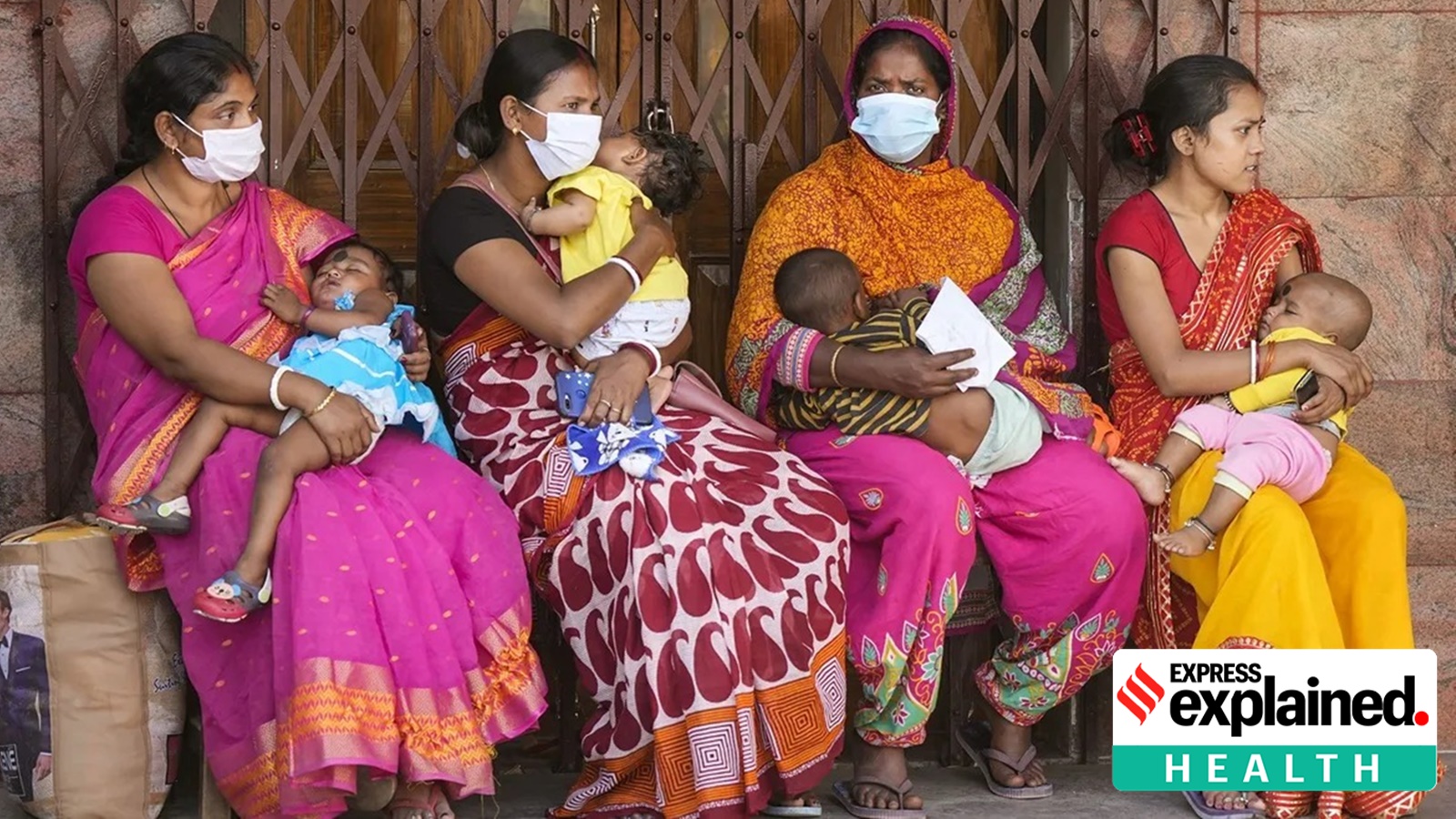
Chandipura virus kills 25 children in Gujarat as spread baffles experts
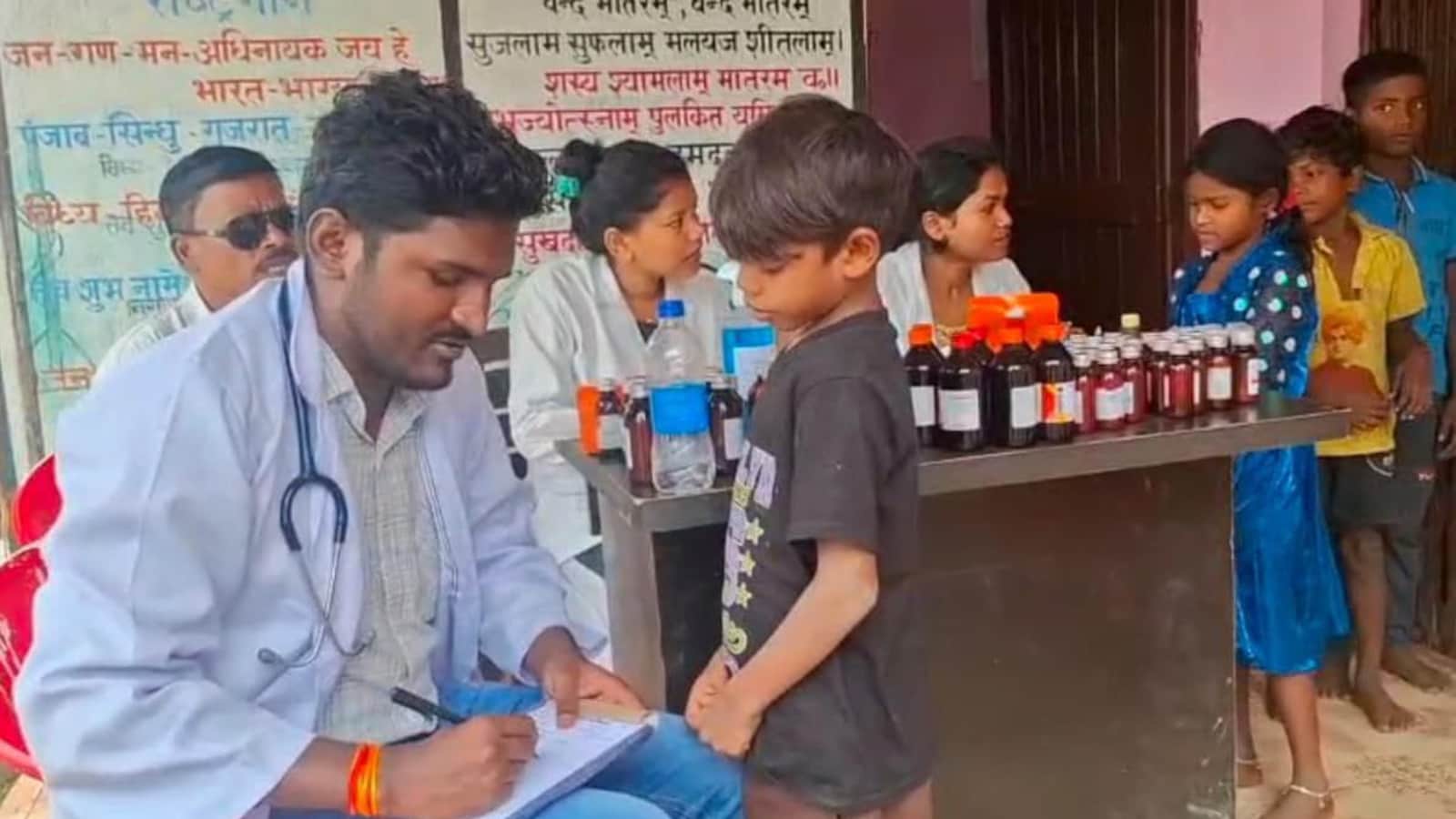
Multiple infections kill tribal children in Balaghat, Madhya Pradesh
Six children dead in Madhya Pradesh village outbreak; cause unknown